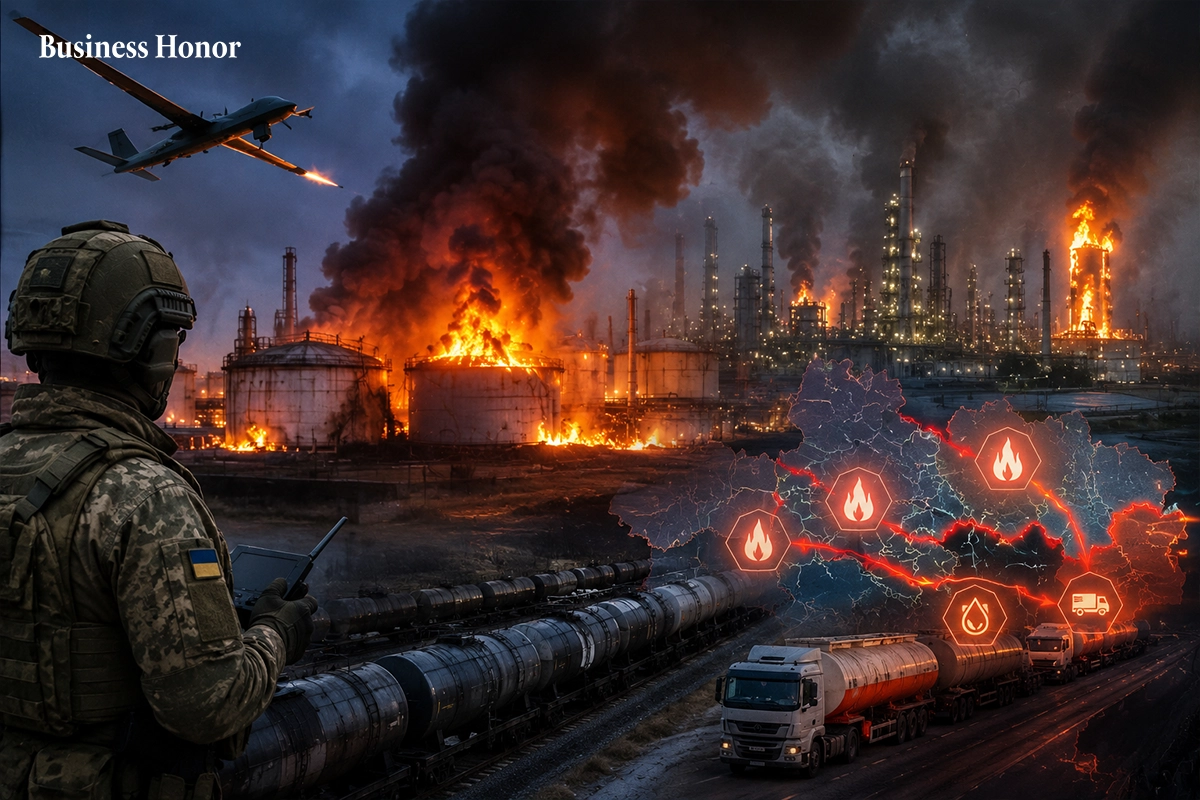
Russia war news: Ukrainian drone strikes on oil refineries force Moscow to import fuel by sea amid deepening energy crisis.
|
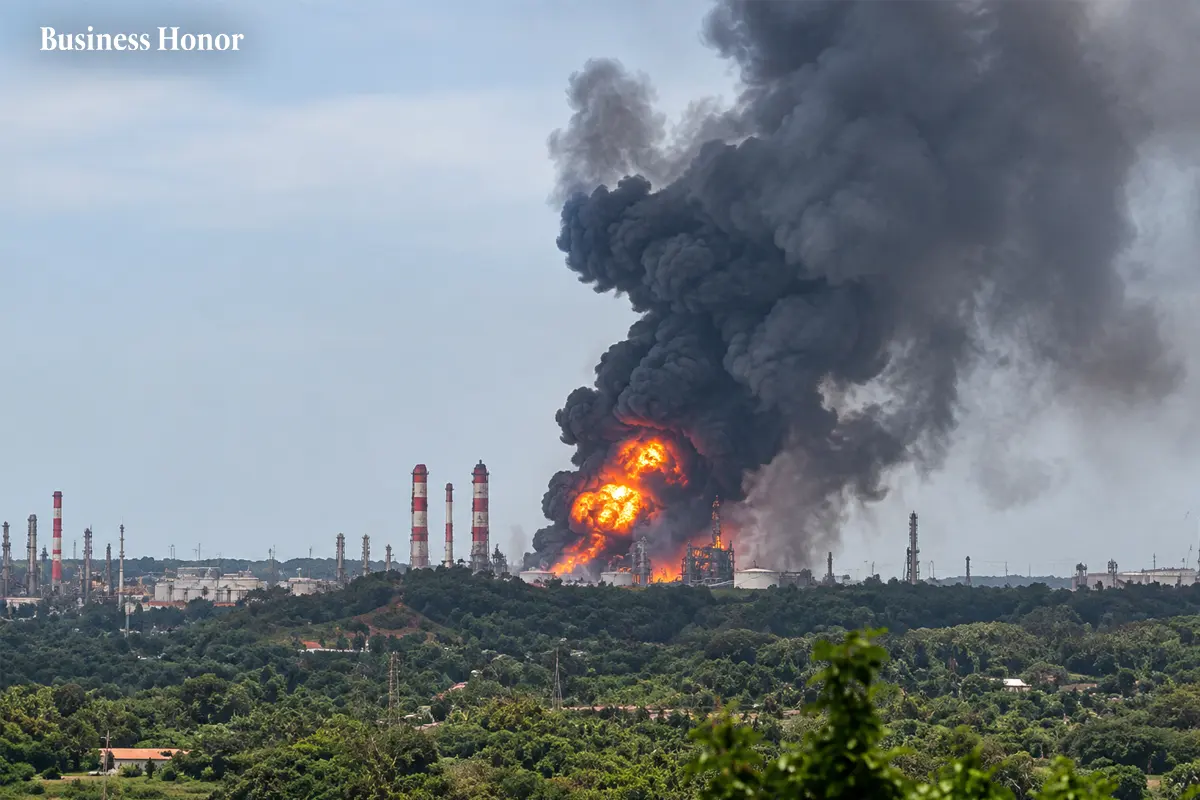
Russia War News: According to Russian state authorities, the Kapotnya oil refinery in Moscow was hit by a Ukrainian drone strike on Thursday, the latest example of Ukraine's ongoing campaign to disrupt the Russian energy infrastructure. The attack, according to eyewitnesses, caused large amounts of flames and smoke to rise into the air in the southeast part of the city (the district where the refinery is located). This attack is the second major incident at the refinery in just a few days. Earlier this week, a drone strike shut down the facility, which disrupted Russia's ability to produce gasoline at an important time. Targeting this refinery is part of Ukraine's larger strategy to damage Russian energy production capabilities so that they can weaken Russia's ability to conduct its war.
Currently, officials have not provided much information on either casualty numbers or structural damage from the Moscow drone attack . Still, the large amount of fire and smoke coming from the refinery indicates that there was a substantial impact on its operation. The attack was part of a larger overnight exchange in which Russia conducted coordinated missile and drone attacks against Kyiv, which prompted Ukrainian officials to issue an air raid warning and advice citizens to seek immediate shelter. Explosions rocked the Ukrainian capital last night. Officials confirmed that there were fatalities stemming from attacks that took place in other regions of Ukraine as well. As an example, authorities report that a separate drone strike killed one person in the northeastern Ukrainian city of Sumy.
Russia has continually targeted civilian populations in Ukraine, which is an enormous contrast with Ukraine’s targeted strikes on military and energy infrastructure; thus, creating asymmetric approaches to military strategy between both countries. Kyiv has focused on destroying infrastructure, thereby limiting Russian capabilities to wage war. On the other hand, Moscow’s strikes have continued to target primarily civilian population centres. This strategy indicates a significant escalation of the energy crisis facing Russia today. As one of the world’s largest producers and exporters of oil, Russia is currently facing an acute shortage of fuel derived from multiple sequential drone strikes carried out by Ukraine against its refineries. As a result, Russian officials are now in the process of preparing to import gasoline from foreign countries by way of sea, which illustrates the effectiveness of Ukraine’s targeted strategies against Russian refineries and highlights the diminishing capability of Russia to generate fuels for itself. The vulnerability of Russian energy infrastructure has become increasingly apparent. Russian refineries throughout the country are now experiencing frequent attacks that have resulted in cascading supply chain disruptions. The need to seek fuel from outside of Russia for importation represents a considerable blow to Russian self-sufficiency and logistical capability to conduct war.
Business Honor is of the view that Ukraine's systematic drone campaign represents a transformative shift in Russia's energy infrastructure vulnerability and fuel supply sustainability.



































.webp)

.webp)



.webp)