
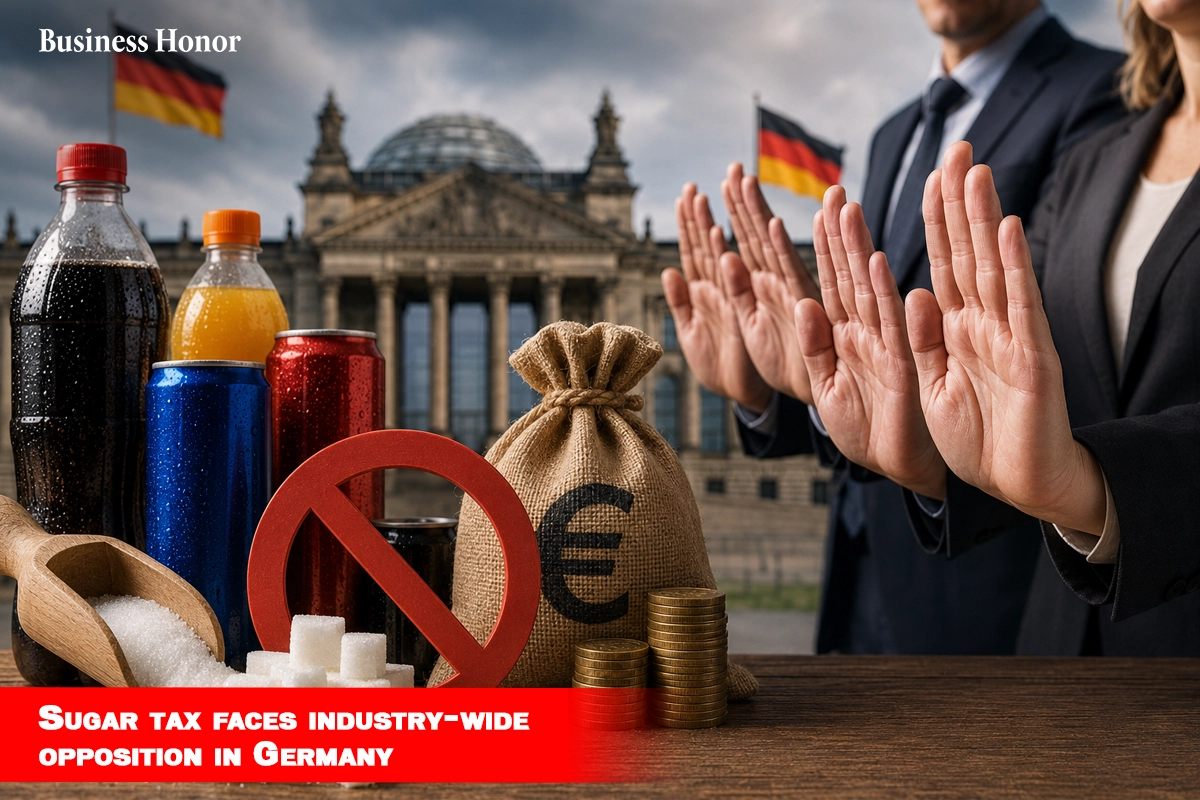
Germany's proposed sugar tax has drawn strong opposition from more than 300 beverage companies, which warn the levy could hurt businesses, consumers and industry innovation.
|
German sugar tax plan is encountering opposition from more than 300 beverage firms who have signed an open letter to ask the federal government to withdraw the plan. The popular brands such as Coca-Cola, Red Bull, Capri Sun, and Carlsberg have partnered with industry associations to warn the government that the move will lead to increased costs both for producers and consumers. This development comes against the backdrop of interest being shown in the German sugar tax proposal for 2028 and European beverage industry regulations.
The proposed sugar tax that was set to be implemented in 2028 has raised fears that it will add another burden to producers who have been experiencing high costs associated with energy, logistics, packaging, and raw materials. The levy, according to industry groups, will especially affect small and medium-sized producers and limit consumers' purchasing power amid economic uncertainties. The issue has also renewed discussions around the soft drinks sugar levy's impact across Europe.
However, the signatories stated that there was not enough evidence of the efficiency of sugar taxes in reducing obesity rates and related conditions. As an example of Germany, they mentioned its voluntary reformulation of products, which resulted in a 15 percent decrease in sugar content in soft drinks from 2018 without using taxes. According to the industry, the imposition of such a levy might discourage innovations in this sphere.
Moreover, the industry rejected the possibility of implementing a model like that of the UK, Soft Drinks Industry Levy, because it is claimed to be ineffective. There is not enough evidence that it has brought any positive effects for the public health system. The companies insist that wider health problems need more time to overcome and more collaboration between industries.
The associations of non-alcoholic beverages, mineral water producers, fruit juice manufacturers, and brewers suggested working together to solve the problem of public health issues in another way, without imposing taxes.
The German government has not commented on the latest appeal of the industry, and consultations on the draft will continue before making any decisions. Business Honor observes that Germany's sugar tax debate highlights the challenge of balancing public health objectives with economic competitiveness, innovation, and consumer affordability across the beverage industry.
FAQs
-
Why are companies opposing Germany's sugar tax?
They believe it will increase costs for businesses and consumers.
-
When is the proposed sugar tax expected?
The German government plans to introduce it in 2028.
-
Which companies signed the letter?
Brands include Coca-Cola, Red Bull, Capri Sun and Carlsberg.
-
What is the industry's alternative approach?
Companies support voluntary reformulation and nutrition education.
-
Has Germany approved the sugar tax?
No. The proposal is still under consultation.













.webp)

.webp)




.webp)


Comments
0 Comments