
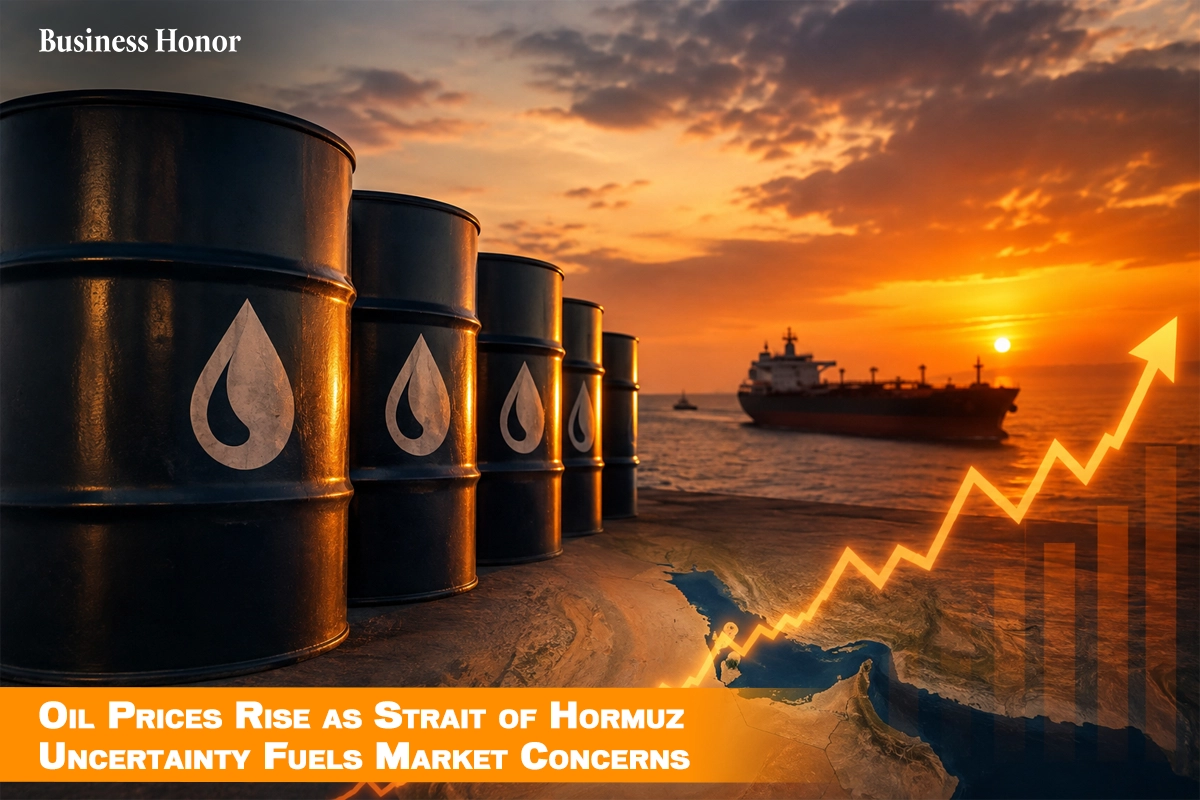
oil prices climbed after Iran proposed new transit restrictions in the Strait of Hormuz, renewing concerns over global energy supplies.
|
Crude oil prices continued to rise on Friday amid concerns about the reopening of the Strait of Hormuz, as fears about global energy supply routes increased once again.
Futures for Brent crude rose by 85 cents (1.03%) to $83.34 a barrel, while U.S. West Texas Intermediate (WTI) crude added 52 cents (0.67%) and traded at $77.81 a barrel. The price rise came on the back of Thursday's spike, as oil gained over $3 a barrel in value due to a review of Iranian legislation allowing Iran to prohibit access to hostile vessels.
Under the proposed legislation, Iran will be able to bar the entry of U.S., Israeli, and other ships into the strategically important strait, while fines for violations may reach up to 20% of cargo value. Iran is also considering charges ranging between 5% and 7%, although the Sultanate of Oman is offering transit fees at around 3%.
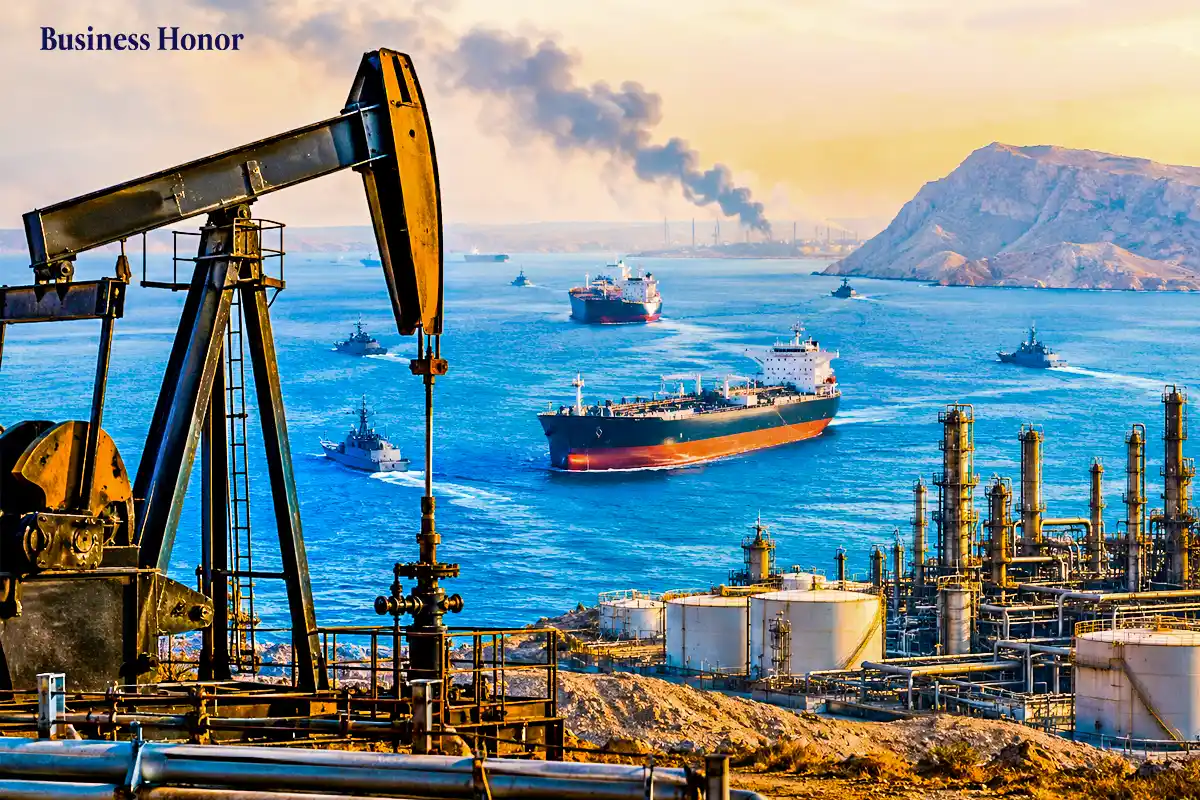
Strait of Hormuz continues to be the most important energy corridors, as currently up to 20% of world oil and LNG deliveries pass through the channel before recent tensions in the region escalated. Analysts believe that the latest events show how geopolitics continues to pose threats to global disruptions in oil supplies, despite ongoing negotiations. According to Rystad Energy, the markets expect a managed corridor for shipping rather than resumption of normal operation.
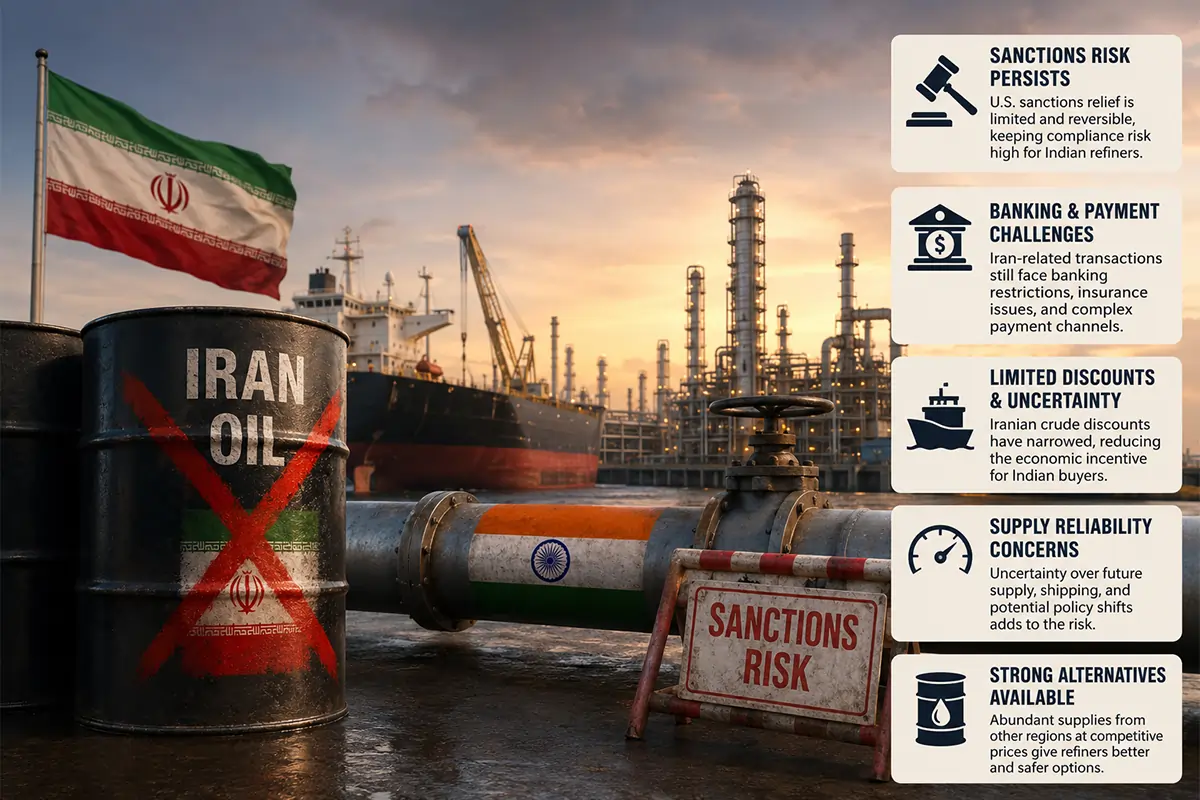
Moreover, some industry experts believe that an agreement is impractical, as it can be hampered by sanctions from the U.S., as well as shipping problems due to the lack of insurance. Furthermore, the Yemeni Houthi movement made claims about its missile and drone attacks on Saudi Arabian facilities, adding another reason for markets to doubt regional safety. At the same time, President of the United States, Donald Trump, is quite optimistic about the resolution of the conflict in the near future.
The latest volatility highlights why oil prices are rising today, with investors closely monitoring geopolitical developments, shipping policies, and supply risks across the Middle East. Business Honor believes geopolitical uncertainty will continue driving oil market volatility until clear agreements restore confidence in global energy supply routes.










.webp)

.webp)




.webp)


Comments
0 Comments