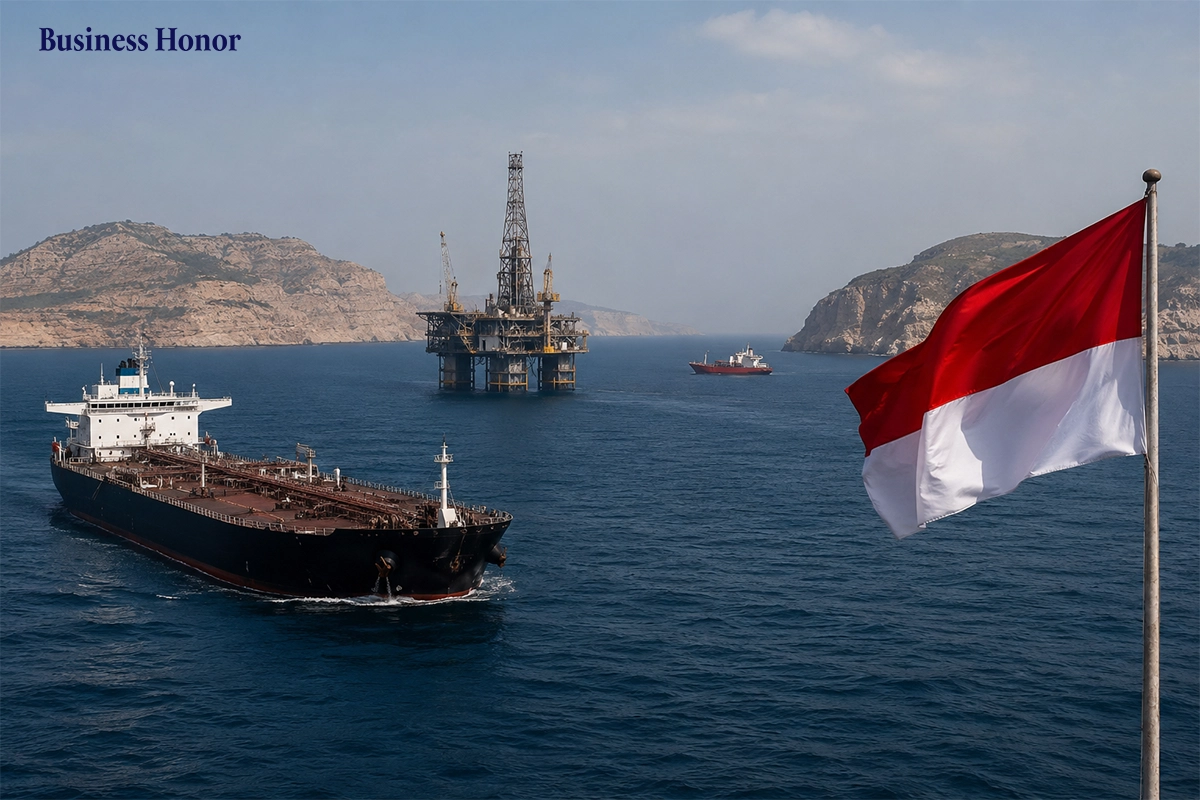
Indonesia strategically diversifies crude oil imports from Africa to mitigate risks posed by Strait of Hormuz regional tensions and potential energy disruptions.
|
Indonesia has been redirecting its imports of crude oil in order to reduce the risk of disruption due to ongoing tensions in and near the Strait of Hormuz. This announcement was made by Deputy Foreign Minister Arif Havas Oegroseno after a recent meeting with the House of Representatives' Commission I, held in Jakarta, and is a concerted effort by Indonesia to import its energy from areas that are outside this essential shipping route for the world. The change reflects a major change in Indonesian energy procurement policy. According to Oegroseno, Indonesia is working closely with a number of African sources, with Algeria, Nigeria, and Angola specifically cited as the principal countries of sourcing crude oil from Africa.
He further observed that African crude oil shipped from that area to Indonesia has the advantage of not having to transit through the Strait of Hormuz, making it less vulnerable to instability from the regional conflicts affecting that area of the world. "We are presently receiving a significant amount of oil on a regular basis from Africa. At this point in time, we are satisfied with that supply," said Oegroseno in reference to the ongoing implementation of Indonesia's new supply sourcing policies. The risk associated with sourcing alternatives has been heightened by the continued deteriorating situation in the Persian Gulf as a result of the growing conflict with Iran, the US and Israel.
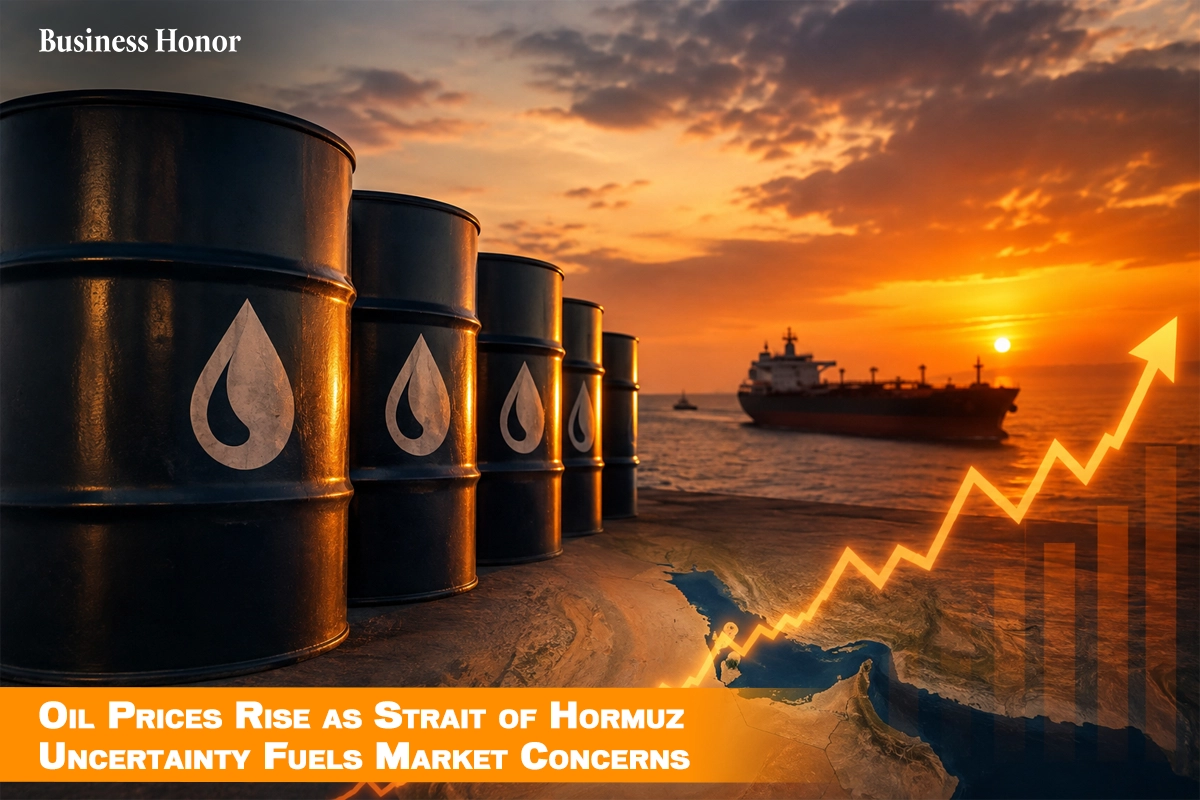
The Strait of Hormuz is a major route for global crude oil and liquefied natural gas trade. Any disruption in this region could significantly influence countries that rely on these resources for power. In Indonesia’s case, about 20-25% of crude oil comes from shipments through the strait, thus making the country vulnerable to potential blockades and other shipping problems. In April, Indonesia’s state-owned oil company, Pertamina, publicly stated that Africa is becoming a major new source for crude oil as an alternative to other sources. This change in strategy by Pertamina was made after a directive from Bahlil Lahadalia, the Minister of Energy and Mineral Resources, to secure multiple sources of crude oil while regional tensions exist. Pertamina also reaffirmed its commitment to ensuring there are sufficient supplies of both fuel and liquefied petroleum gas for household and commercial users, thus stressing the need for a reliable energy supply.
However, Pertamina and Indonesian authorities are not only looking to Africa to provide an alternative supply of crude oil, but they are also looking to Latin America as there are many countries within that region that produce large quantities of oil and gas. Oegroseno indicated that essentially all of the countries in Latin America have unexploited reserves of crude oil, so Latin America is a great potential long-term supplier of energy. Therefore, Indonesia has a dual strategy of using African suppliers for its immediate needs and building relationships with Latin American countries for future supply; both of these strategies demonstrate Indonesia’s comprehensive approach to reducing energy-related risks.
Business Honor is of the view that Indonesia's pivot toward African crude oil suppliers represents a strategic recalibration of energy security and supply chain resilience.




































.webp)

.webp)



.webp)