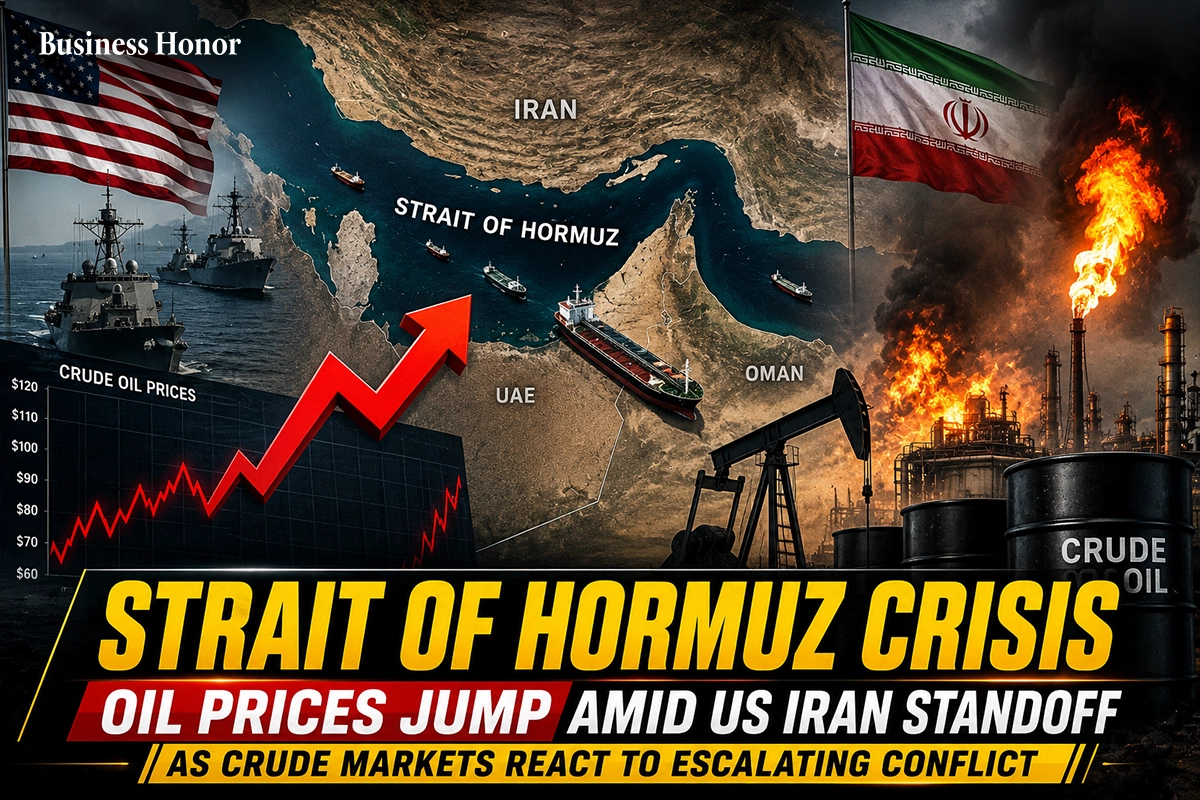
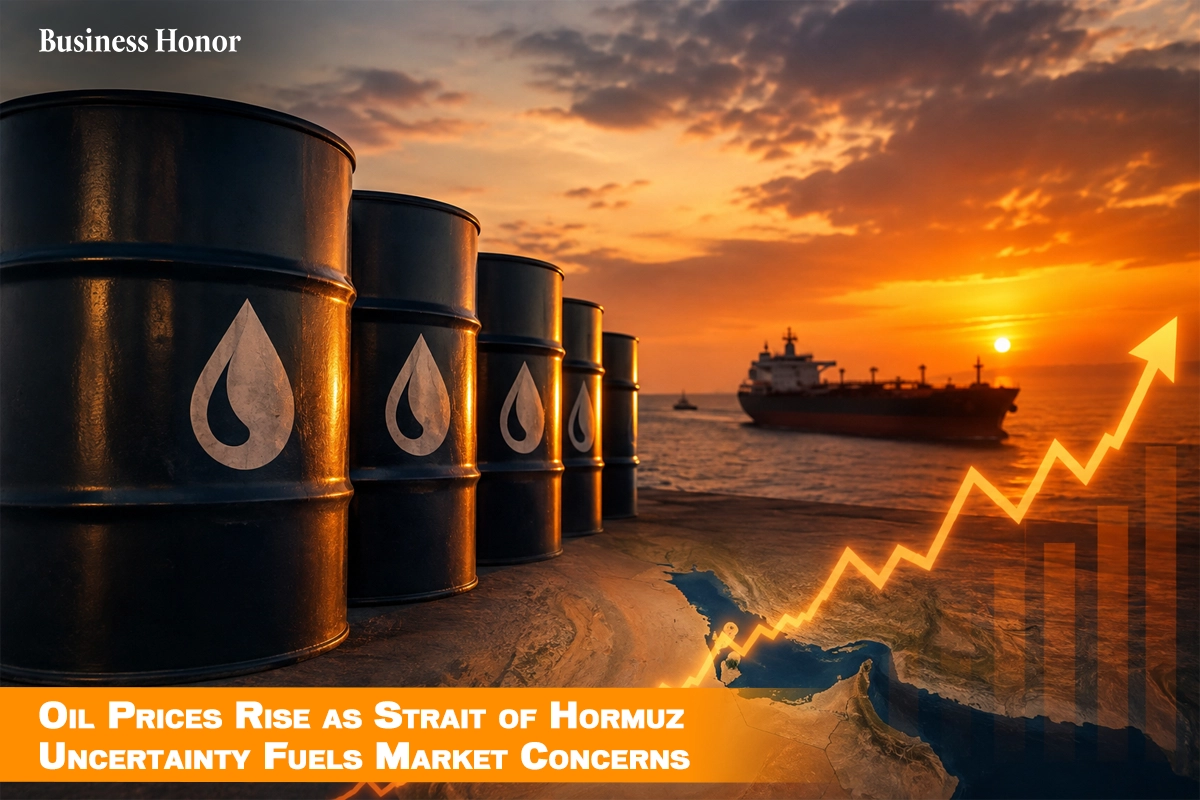
Oil prices rose sharply as US Iran tensions escalated in the Strait of Hormuz, intensifying global crude supply concerns and raising fears of prolonged disruption in critical international energy shipping routes in the hormuz crisis.
|
Oil prices climbed sharply after a renewed escalation in the Strait of Hormuz amid the US-Iran standoff, as markets reacted to intensified military activity between the United States and Iran in the hormuz crisis. The conflict has entered an extended phase, with repeated strikes and counterstrikes around strategic installations and maritime zones, increasing uncertainty over global energy flows.
Military Escalation and Immediate Market Reaction
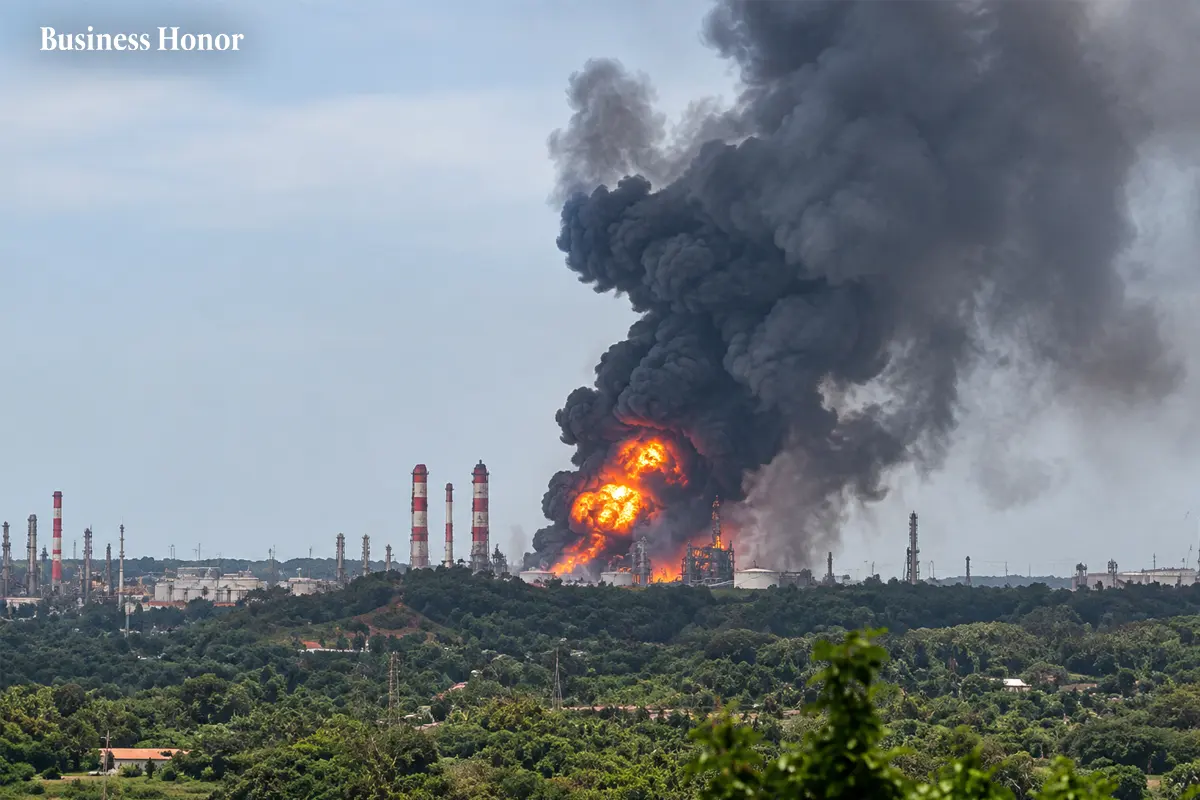
The most recent increase was spurred by claims that Iranian unmanned aircraft targeted the US military base, in addition to the interception by US military forces of various one-way attack drones off the coast of the Strait of Hormuz. The US has also initiated an attack on an Iranian unmanned aircraft station that was allegedly planning drone attacks. The events have caused immediate volatility in oil prices; both WTI and Brent rose by more than 3%. The Strait of Hormuz plays a very important role in the international energy trade. Any small event in this area is immediately felt around the world as prices rise in the hormuz crisis.
Supply Chain Pressure and Global Energy Risks
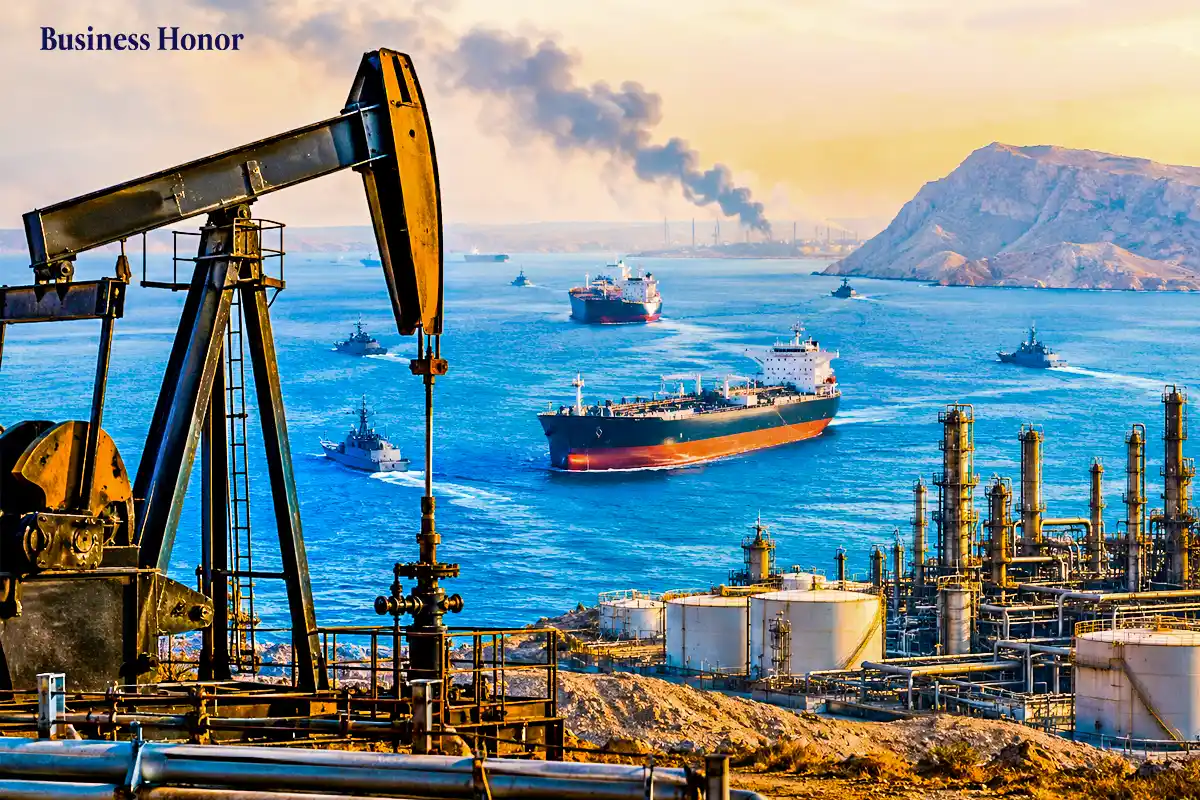
There have been heightened concerns about disruptions to global crude oil supply due to rising costs of insuring tankers transiting the Strait of Hormuz. Insurance firms have raised premiums, considered new shipping routes, and incurred additional delays because of the continuing tension in the hormuz crisis.
The dispute, which seems to have gone on for about 90 days, has disrupted energy supply chains across the globe. Developments in the region are being followed intently because any disruption might cause a tightening of global inventories. While negotiations are being carried out, there are contradictory statements coming from the US and Iranian authorities which are creating doubts in the minds of market participants about resolving the dispute anytime soon.
Broader Economic Impact and Inflation Concerns
It is believed by analysts that any continued instability around the Strait of Hormuz can result in global inflationary trends. This is because increased oil prices lead to increased transportation, logistics, and production costs in both developing and developed countries.
Geopolitical tensions can affect central bank decisions, especially on whether or not to continue monetary tightening into subsequent quarters due to continued energy-driven inflation. Business Honor believes prolonged US-Iran tensions will sustain oil volatility, disrupt global supply chains, and heighten inflation risks across energy-dependent economies worldwide in the hormuz crisis.


































.webp)

.webp)



.webp)