
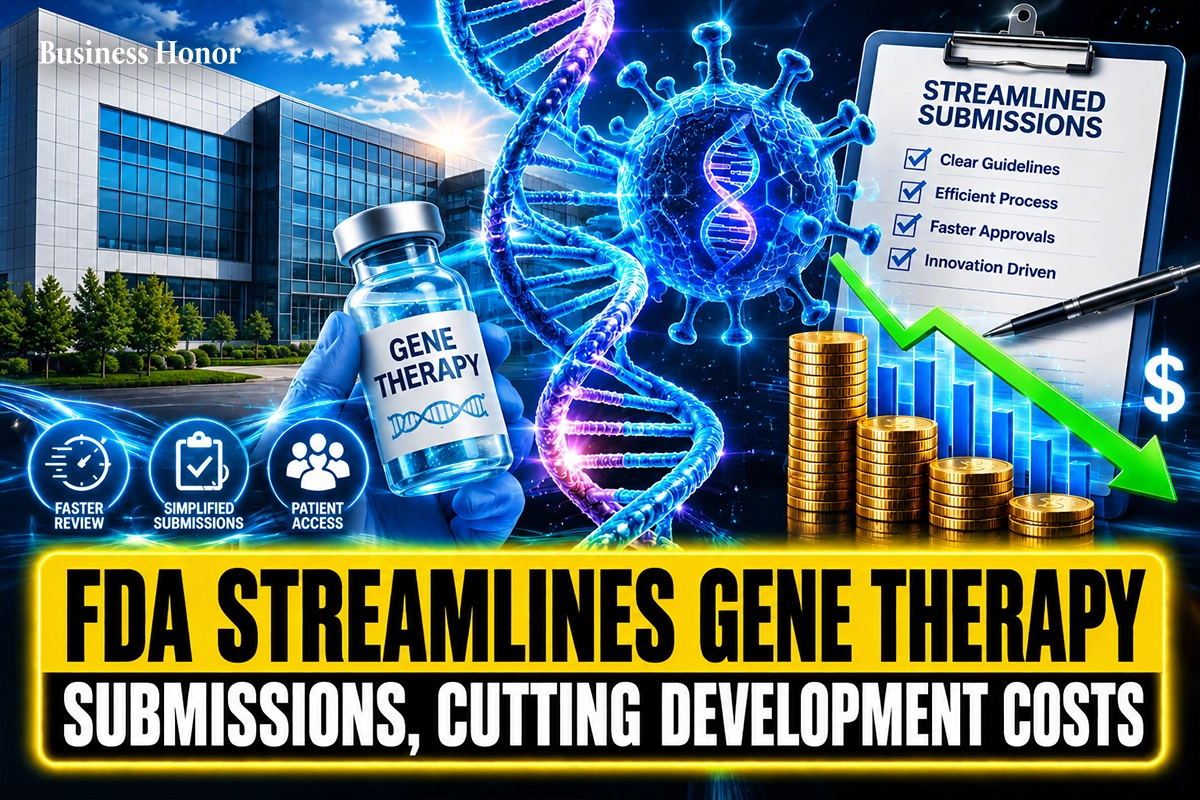
Regulatory shift allows sponsors to leverage existing platform knowledge in gene therapy development while maintaining scientific standards for approval.
|
To cut down on the burden that Funders have to deal with when funding gene therapy product development (genome editing technologies in somatic cells), the FDA has issued new draft guidance on the new AI requirement from low FDA review process for CGT submissions in June and going forward. Under the revised guidance, sponsors that plan to submit regulatory applications for human gene therapy products will soon have access to all of the existing publicly-available scientific literature, established platform data, and the chemistry, manufacturing, and controls (CMC) data gathered during non-clinical studies (e.g., pre-clinical) that has been through an established verification process and ultimately classified as acceptable. All of this information will be able to be used by the sponsor in support of their regulatory submission (regardless if that application is through the Food and Drug Administration Center for Biologics Evaluation and Research (CBER) application or an application submitted to a different FDA division). It is anticipated that by doing this, redundant testing of manufactured product will be eliminated, development costs will be reduced and, more importantly, expedite access to gene therapies designed to treat rare and/or life-threatening diseases without sacrificing the scientific/work experience that will ultimately be presented before the FDA for review.
"By providing information on how companies may build on what is already known, we are accelerating innovation without compromising the rigorous scientific standards that patients and the public depend on," said Karim Mikhail, acting director of the Center for Biologics Evaluation and Research (CBER). Even though this guidance does not create a universal exemption from data production obligations, it does require that the sponsor back their use of leveraged data with robust scientific justification, which demonstrates how it is connected to its unique product and development situation. This condition stops sponsors from merely applying platform data mechanically without demonstrating both biological and manufacturing relevance to their candidate therapies.
One of the key mechanisms of the Agency’s approach is early regulatory interaction with sponsors. Sponsors are encouraged to engage with the FDA guidance by participating in Initial Targeted. This guidance is a part of the FDA's overall coordinated regulatory effort and is designed to work in conjunction with the Agency’s Plausible Mechanism Framework for genome-editing therapies and the companion draft guidance, "Safety Assessment of Genome Editing in Human Gene Therapy Products Utilizing Next Generation Sequencing". The companion guidance provides methodologies for the assessment of the safety and efficacy of these types of therapies, including, but not limited to, methodologies for assessing risk associated with off-target editing, a significant safety issue with the base editing and prime editing modalities currently in clinical investigation.
The 90-day public comment period established by the FDA will allow input from all stakeholders, such as patient advocacy organizations, researchers and those that sponsor clinical trials, on the proposed guidance through regulations.gov. The FDA has not set a schedule for the finalization of the guidance. A prospective evaluation will need to be performed following implementation of the guidance to assess the impacts on actual product development timelines and IND (investigational new drug) approval rates.
Business Honor is of the view that FDA's streamlined gene therapy guidance represents a pivotal operational shift in accelerating sponsor development timelines and reducing redundant testing burdens.













.webp)

.webp)




.webp)

