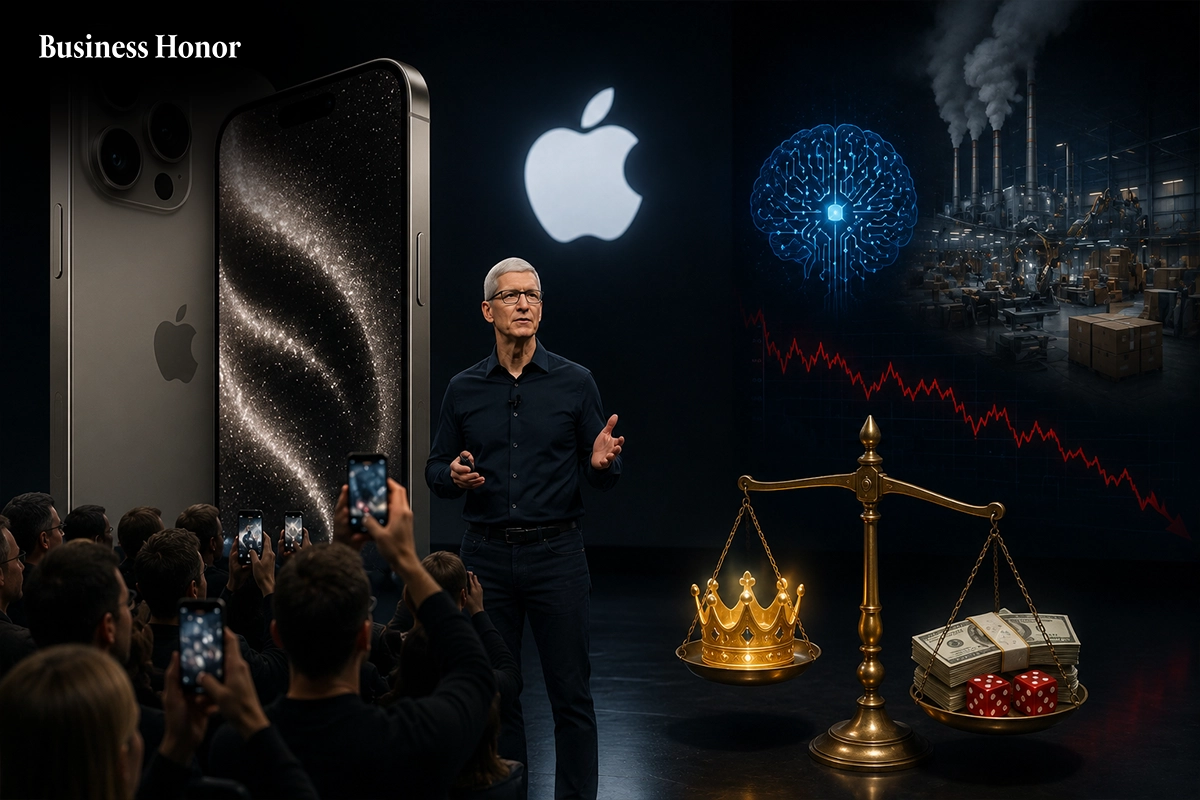
Apple's decision to split iPhone 18 launches signals major shift in smartphone release strategy, prioritizing manufacturing efficiency over traditional consumer expectations.
|
Apple is likely going to break its traditional pattern of launching flight iPhones at the same time every year by launching the iPhone 18 on a delayed schedule. In a recent comment made at Largan Precision's Shareholders' Meeting, Chairman Lin En-ping said that Largan had been notified by a major customer (believed to be Apple, as they are a supplier of lenses for the iPhone) that they will not be ready to launch their new model until Q1 2027. This means that they will need to push back their production schedule for procuring components later in the year and will be utilizing more of their manufacturing facilities in the 4th Quarter to try to meet this deadline. While Lin did not name the customer or product directly, there have been many reports about how Apple is expected to change their launch cadence and release the premium iPhone 18 Pro and Pro Max models in the fall 2026, along with their long-awaited first foldable device that is currently called the iPhone Ultra. Meanwhile, the standard version of the iPhone 18 is expected to arrive in spring 2027, approximately 6 months after these two products.
Given how Apple’s component manufacturers rarely publicize information regarding product launches; the supplier’s public confirmation has special significance in terms of the likely accuracy of these reports. Such clear openness by a large supplier close to Apple indicates confidence in these reports and indicates that there is something happening with respect to the strategic change occurring. According to analysts within the industry, there are several reasons for this staggered release approach to meet multiple corporate goals. As Apple increases its iPhone 2027 line from 6 models—which includes the iPhone 18 Pro Max, 18 Pro, 18 Ultra, 18 Standard, 18e, and 18 Air 2—the increased complexity of manufacturing and coordinating its supply chain will continue to grow. By splitting its launches into two release schedules, Apple is able to spread the demand for production throughout the entire year and, therefore, potentially mitigate bottlenecks while improving throughput at its factories. Additionally, the staggered release schedule will provide Apple with commercial benefits—rather than concentrating sales momentum into the last quarter after the September launch of the iPhone; the staggered scheduling will help extend the consumer excitement/purchase activity profile over a longer period of time. Thus, Apple can potentially help extend their product announcement cycle through these two sets of scheduled releases, resulting in a more stable distribution of revenues over the four fiscal quarters.
Business Honor is of the view that Apple's bifurcated iPhone 18 launch strategy represents a transformative shift in supply chain management and portfolio expansion execution capabilities.

































.webp)

.webp)




.webp)