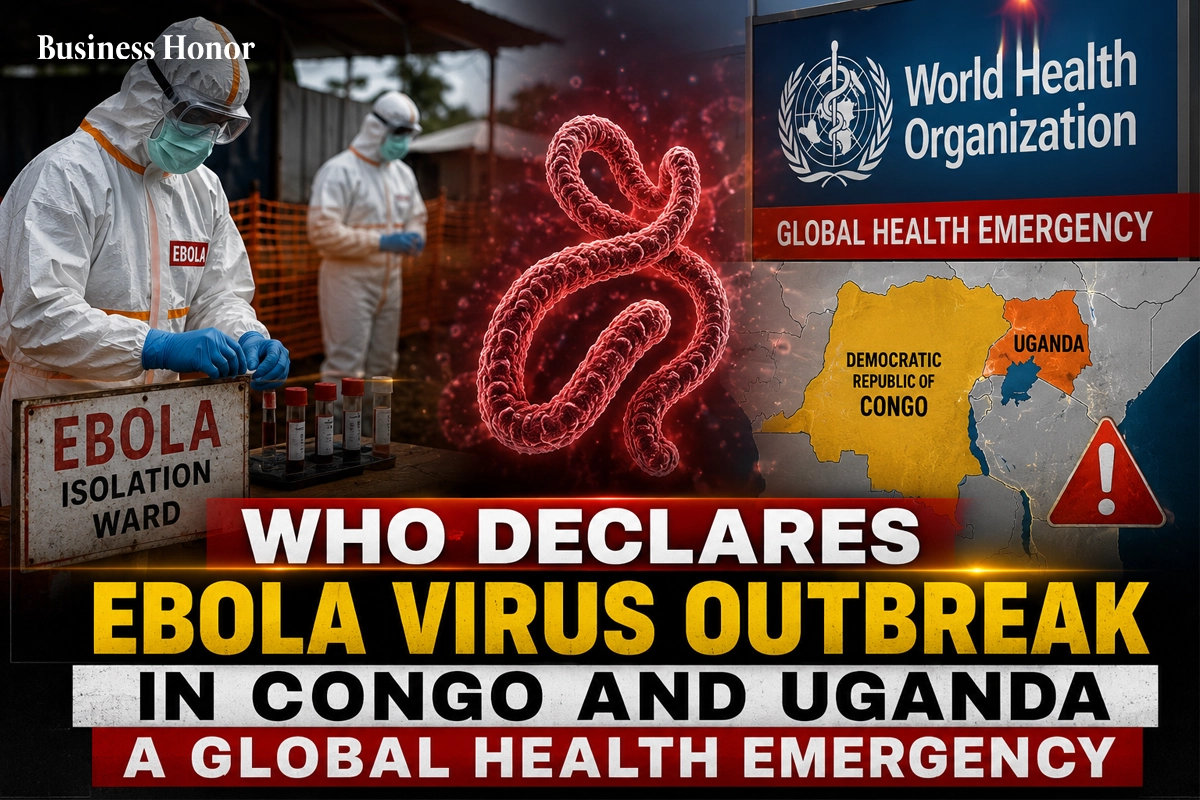
Ebola virus outbreak in Democratic Republic of Congo and Uganda declared global health emergency by WHO without approved vaccines or therapeutics available.
|
There had been 248 cases (confirmed or suspected) and 80 deaths reported throughout the northeastern part of the DRC related to the Bundibugyo species of Ebola. While eight cases of Bundibugyo virus infection have been confirmed via laboratory testing, there is currently no licensed vaccine against this virus (or any Ebola virus) and thus no medically approved treatment. Such an absence of effective health countermeasures distinguishes the current outbreak from all past recorded Ebola virus outbreaks to date and highlights major deficiencies in the global capacity for developing and distributing drugs for newly emergent infectious diseases.
What makes the lack of vaccine and treatment so significant in this outbreak?
The impact of the outbreak is rapidly spreading; it has extended from the original outbreak location in the Ituri province of the DRC to two major metropolitan areas: Kinshasa (the capital of the DRC) and Kampala (the capital of Uganda). Just one day after two persons who had just returned to Uganda from the DRC were confirmed to have the Bundibugyo virus were identified in Kampala, a reaction took place resulting in the confirmation of a third case. Following that, there was a subsequent death (of one of the confirmed cases) in relation to this incident.
Explaining the rapid cross-border spread from rural origin to major cities
A patient case in Kinshasa involved someone returning from the affected Ituri region. This expansion across international borders has prompted the WHO to issue a "public health emergency of international concern," signaling the need for coordinated global action and resource mobilization among member states.
The agency expressed worry over the “significant uncertainties” associated with accurately estimating the scale and geographic spread of the infection. Global health authorities have specifically raised alarm over the fact that this outbreak has not been detected much earlier, as outbreaks of infectious diseases are typically identified at an earlier stage through existing surveillance systems. Pandemic response experts have suggested that the lag in recognition of this outbreak raises disturbing questions about whether current monitoring networks across Africa are adequate.
Why was the outbreak not detected earlier despite surveillance systems being in place?
According to WHO, the outbreak does not qualify as a pandemic emergency based on established criteria for declaring pandemic emergencies (i.e., COVID-19 qualified as a high-priority event). However, the declaration is a necessary step for mobilizing international support and coordinating the response to an outbreak across borders; however, donor nations may be reducing the support they provide to both the International Red Cross and WHO for the purpose of outbreak response.
Business Honor is of the view that the WHO's emergency declaration represents a critical catalyst for international pharmaceutical and logistics coordination in combating the Bundibugyo Ebola strain.





































.webp)

.webp)



.webp)