
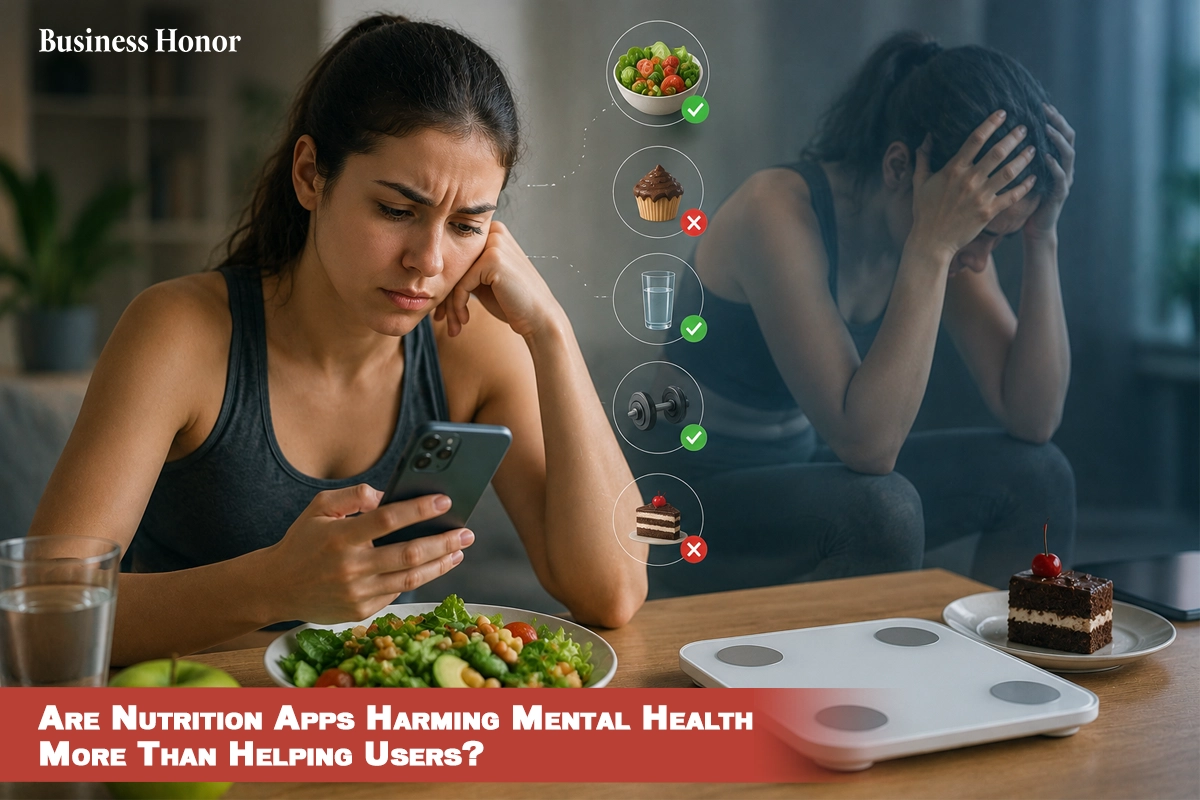
Nutrition apps employ gamification tactics to boost engagement, but researchers warn vulnerable users face eating disorder risks.
|
Nutrition-tracking apps have become common tools used by different consumers to stay health-focused. Apps such as MyFitnessPal, Noom and Weight Watchers have used advanced methods of gamification to keep users engaged with their app and provide interactive features that turn the boring task of tracking your food into healthy habits and fun experience. Many of the people who use these gamification features find them motivating; however, research is starting to emerge indicating that there may be potentially catastrophic consequences associated with gamification for specific populations. Dr Isabella Anderberg, a psychologist at Flinders University in Adelaide, Australia, has made alarming findings in her research regarding the impact of digital dieting behaviour. Her work suggests that calorie-tracking functions in nutritional applications could reinforce behaviour associated with body dysmorphia and food-related disorders.
|
"We do know that not everyone's going to experience harm from using the apps, but there are certainly factors that might increase risk," Anderberg cautioned, emphasizing the need for users to "approach with caution." |
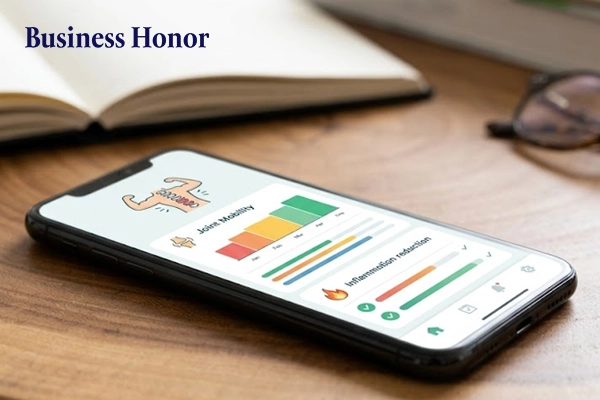
The mechanics of these apps typically follow a predictable pattern. Users input personal data—height, weight, age—and establish health goals. The application then calculates recommended calorie or macronutrient targets and deploys gamification elements to encourage consistent engagement. Green indicators signal progress, while red warnings suggest overconsumption. The process of logging meals with notifications gives users an incentive through performance-based rewards to follow through on logging meals. Many researchers agree that nutrition apps are of value within clinical settings, despite those issues. As stated by various health professionals interviewed for Anderberg's study, several nutrition-related applications are proven effective in meal planning for people with chronic illnesses such as diabetes and heart disease. There are also features related to physical activity that assist users by reminding them to be more physically active, which is helpful in combating sedentary lifestyles.
Angela Drury is an English professor from Woodstock, Georgia who represents a positive user experience when she uses MyFitnessPal, which she has been using for over 10 years, originally to support her training in CrossFit, but later with other nutrition-related applications such as Weight Watchers, Lose It, and Nourish (an insurance sponsored application that integrates blood tests and dietitian consultations). Drury indicates that these apps have helped her achieve fitness goals and make healthier choices. The use of badges for maintaining a streak of logging meals gives Drury some pleasure. However, she also illustrates the psychological downsides of gamification. Positive notifications encourage Drury to continue to log meals, while missing a log notification makes her feel guilty. "When it happened, I felt like I was being told scolded," stated Drury about the notification system.
Business Honor is of the view that nutrition app gamification features represent a strategic engagement tool that inadvertently reinforces disordered eating behaviors among vulnerable user populations.
FAQs:
Q: What is gamification in nutrition apps?
A: Using rewards, badges, streaks, and notifications to encourage users to track meals consistently.
Q: Can nutrition apps cause eating disorders?
A: They may reinforce disordered eating in vulnerable individuals, particularly those with body dysmorphia.
Q: Who benefits most from nutrition app usage?
A: People managing chronic conditions like diabetes and heart disease benefit from meal-planning features.
Q: Are notifications in nutrition apps helpful or harmful?
A: They motivate some users but shame others when they miss logging meals.
Q: Should everyone use nutrition tracking apps?
A: No. People with eating disorder history should use them cautiously under professional supervision only.






























.webp)

.webp)




.webp)



Comments
0 Comments