AI adoption is improving gamification, increasing non-gaming app revenue, and transforming user engagement across global digital platforms and industries.
Applications that are not used for playing games will bring more revenue in the App Store in 2025 compared to applications for playing games due to the quick incorporation of AI into different software. This trend can create a $112 billion gamification market in 2031, according to a BITKRAFT Ventures report. The report, which is entitled “The Future of Consumer Apps: How AI + Game Design Principles Are Reshaping Every Category”, indicates that AI generators currently are the fastest-growing mobile category in terms of revenue, which exceeds $5 billion.
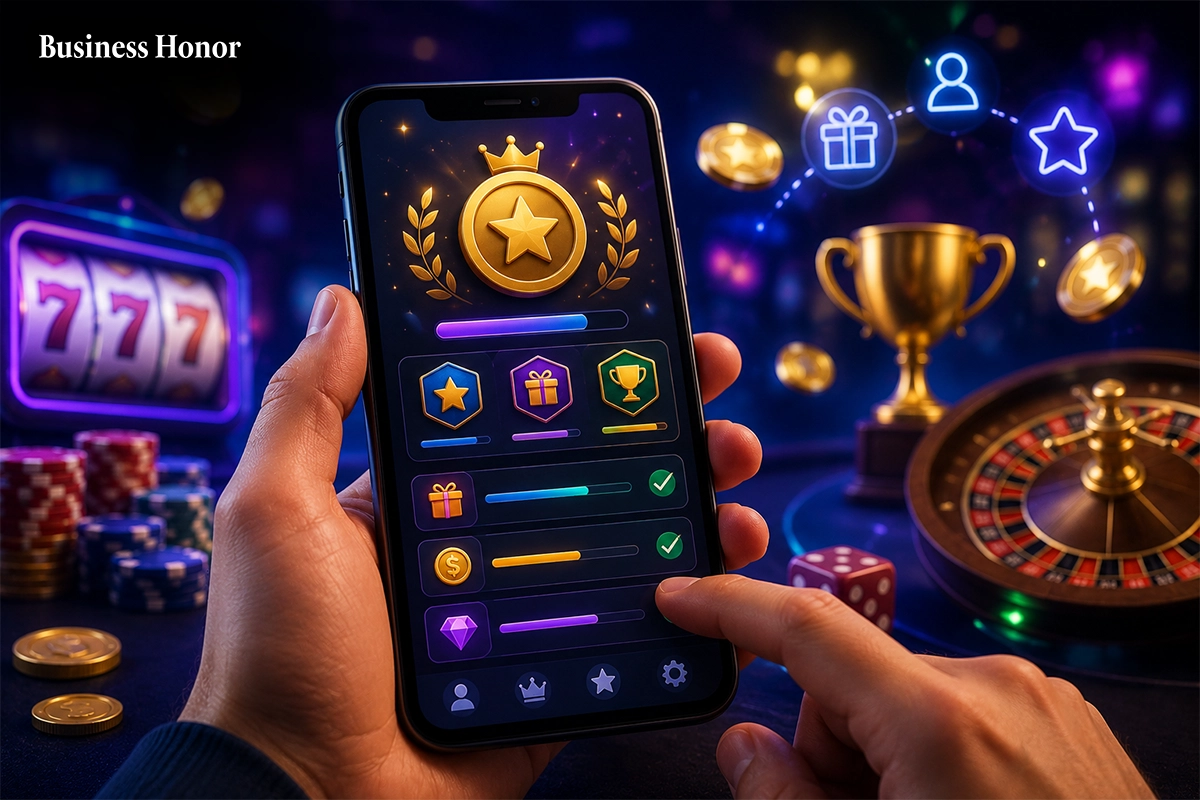
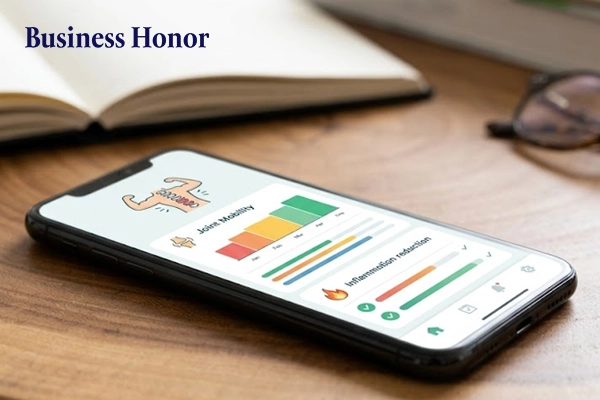
In addition, the report states that over 40% of people across the globe demand AI-powered consumer apps that have some gaming-like elements such as immediate feedback, visual progress measurement, and personal reward programs. AI is helping businesses create these experiences on a larger scale. According to the report, the trend is known as “AI Apps 2.0.” In this case, the software learns from the consumer’s behaviors, responds in real-time, and improves engagement automatically. The phenomenon is contributing towards increasing interest in fintech gamification, e-commerce gamified UX design, gamified engagement in the health and wellness sector, and gamified education based on artificial intelligence globally.
Furthermore, according to the report, an amount of $20.7 billion has been invested in privately held gamified consumer products between 2020 and 208 deals. Investment in education technologies, fitness, wellness, and social engagement platforms is mostly dominant, while finance and commerce are still underdeveloped markets in the context of AI-powered consumer applications and gamification innovations. According to industry experts, this shows how there is a paradigm shift in designing digital products, whereby user engagement becomes more critical than application functionalities traditionally considered in conventional app design. The development process of artificial intelligence becomes simpler, enabling small businesses to build adaptive solutions based on behavioral analysis and game principles.
Gamification is expected to experience substantial market growth by 2025, according to Business Honor, along with consumer solutions powered by AI and designed for engagement. This represents a new level in the digital age, in which gamification starts playing an increasingly important role in different industries, such as fintech gamification and e-commerce gamified UX design.



































.webp)

.webp)




.webp)