

China's successful rocket launch recovery technology signals shifting balance in global space competition dynamics.
|
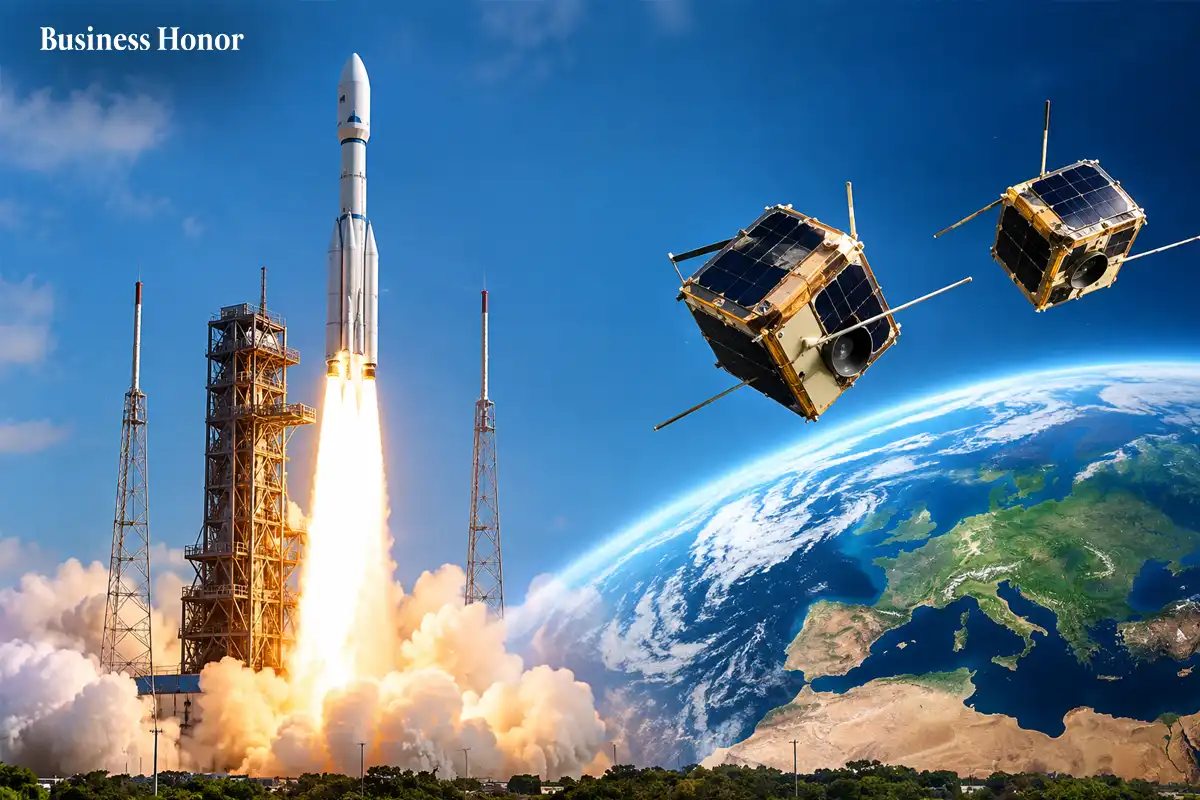
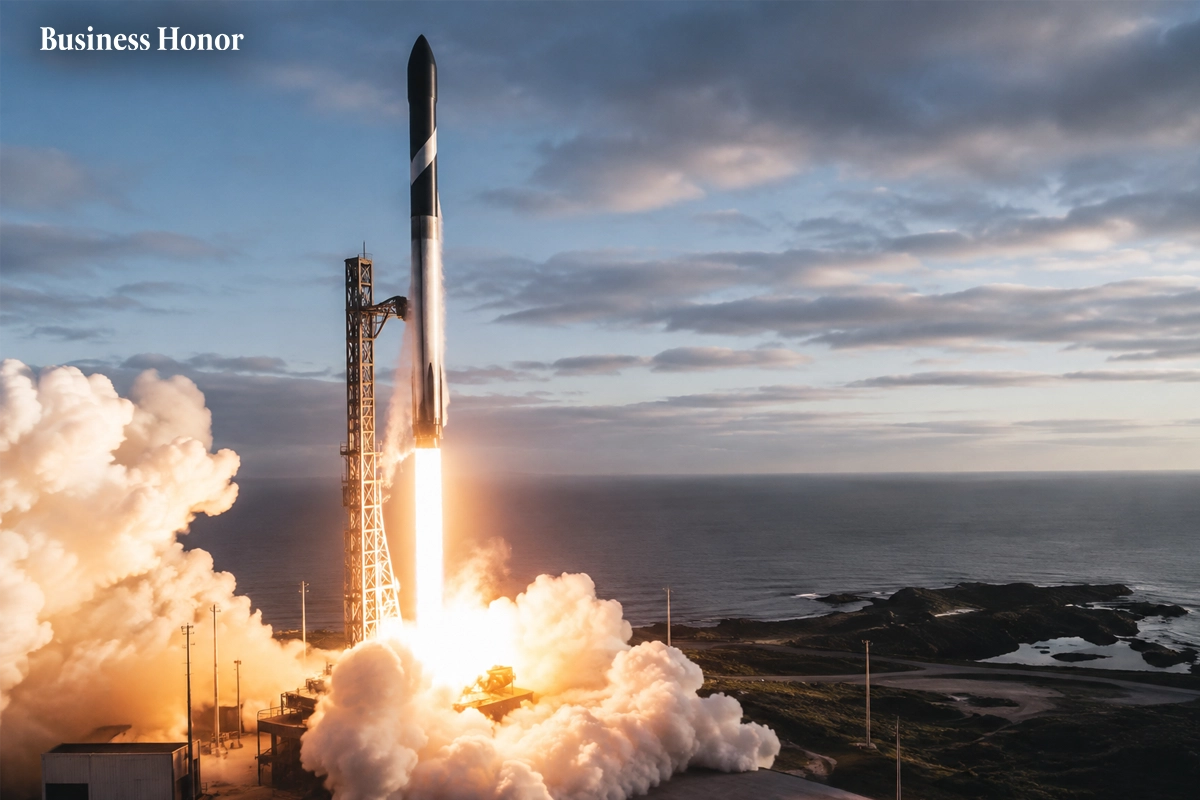
Rocket Launch Recovery Success: China has achieved a significant milestone in its ambitious space program by successfully recovering a rocket booster for the first time, marking a critical step toward challenging U.S. dominance in space technology. The Long March-10B completed its maiden flight on Friday, launching from Hainan province in southern China around noon. Minutes after liftoff, footage from state broadcaster CCTV showed a giant net mounted on a seaborne platform catching the rocket's booster as it descended from orbit. This net-based recovery method represents the first successful demonstration of its kind for China's space sector and demonstrates a technological leap for Beijing's increasingly ambitious space ambitions.
Chinese space industry’s accomplishment will greatly affect the nation’s competition against the US and its private space company SpaceX. The United States utilized its reusable technology first when SpaceX managed to retrieve the launcher of the Falcon 9 rocket in 2015. China, on the other hand, has been relying on single-use rockets forcing the country to pay for its expensive one-time use rockets. The recovery of the rocket allows for dramatic changes in the economics of space travel.
The China Aerospace Science and Technology Corporation, which created the Long March 10B rocket, stated that the success of the launch would "provide a good basis for accelerating the improvement of China's space travel capabilities." The rocket is approximately 60 meters tall and has a payload capacity of around 16 tons. The company already expects to use the recovered rocket by the end of the current year. Sam Bresnick, a research associate from the Georgetown University’s Center for Security and Emerging Technology says that the importance of the achievement cannot be overestimated.
|
"It pretty radically decreases the cost of building out these giant satellite constellations that China has made very clear that it wants to build out," Bresnick explained. He further noted that Beijing views space technology investments through both economic and military lenses, underscoring the dual-use nature of these capabilities. |
China's space program has intensified efforts over recent years to establish itself as a genuine space power. Beyond satellite deployment, Beijing has publicly committed to landing astronauts on the moon by 2030—an objective that would cement China's status alongside the United States. Simultaneously, the government has encouraged China's commercial space sector to compete directly with SpaceX and other Western providers.
Business Honor is of the view that China's Long March-10B rocket launch recovery demonstrates transformative operational capabilities in reusable space technology and competitive positioning.












.webp)

.webp)




.webp)


Comments
0 Comments