
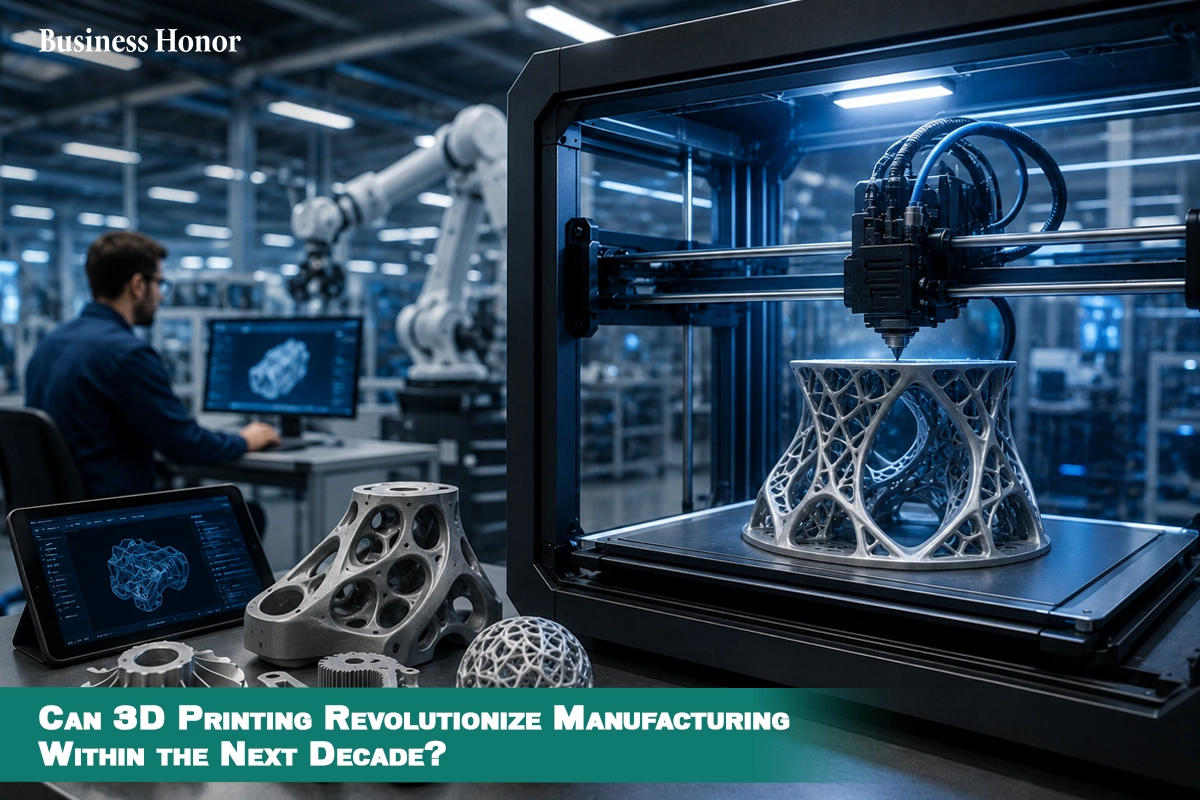
3D printing market surges toward $134 billion globally, reshaping aerospace, medical, and automotive sectors permanently.
|
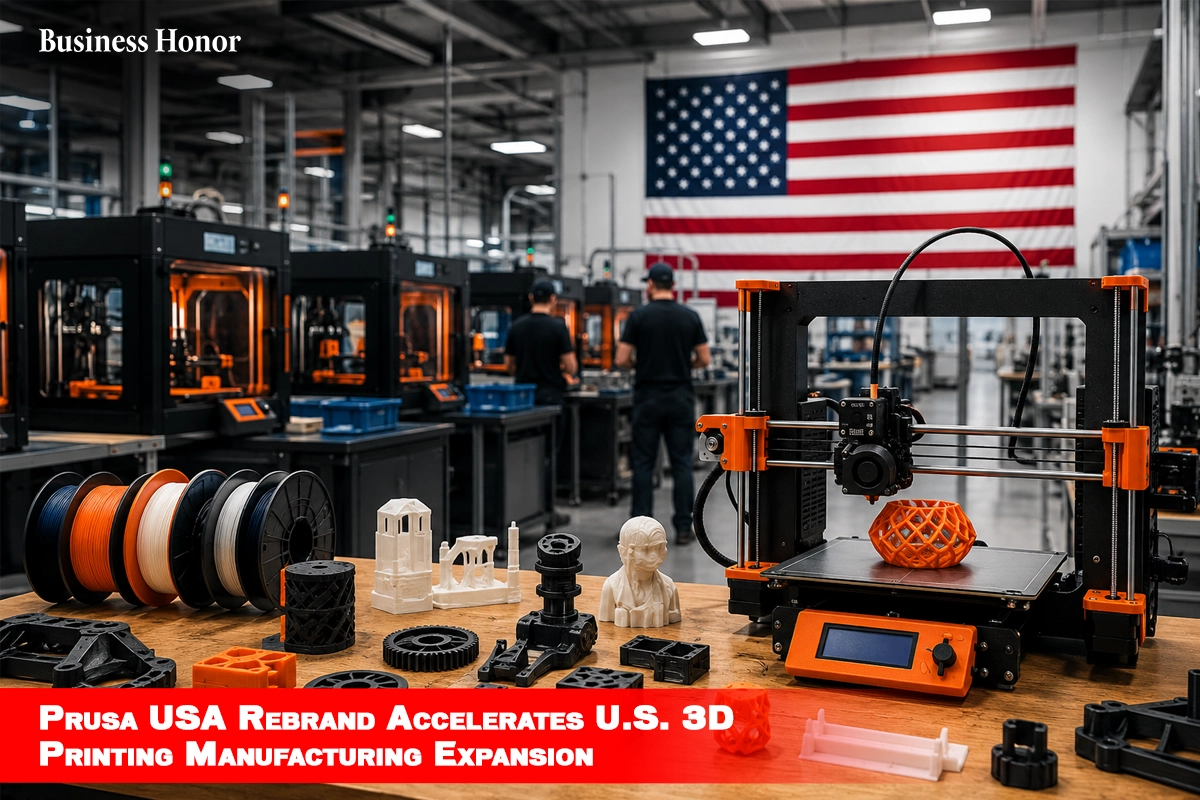
The 3D printing industry is experiencing unprecedented growth momentum, with market valuations climbing from USD 24.61 billion in 2024 to USD 29.29 billion in 2025, according to Precedence Research projections. The sector is expected to reach USD 134.58 billion by 2034, driven by technological breakthroughs and expanding applications across industries. North America continues to lead the global market, capturing over 35% of total revenue with a regional market valued at USD 8.61 billion in 2024. The region is forecast to maintain an 18.56% compound annual growth rate, with the U.S. market alone projected to reach USD 34.28 billion by 2034. Strong demand from aerospace, defense, and energy research sectors propels North American growth, exemplified by Boeing's Additive Manufacturing Intelligence Center refining process simulation and qualification workflows.
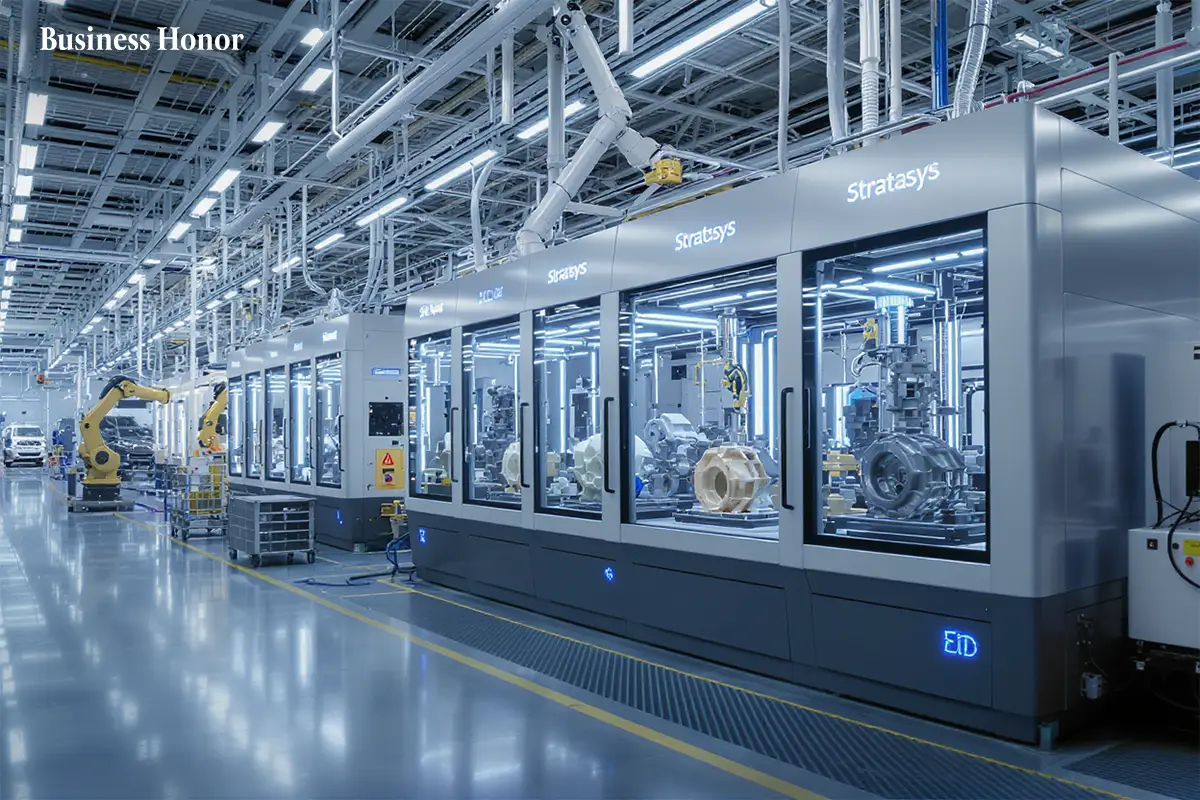
Industrial printers dominate the market landscape, accounting for 77% of revenues, while stereolithography represents more than 11% of total market value. Prototyping remains the largest application segment at 55% market share, with automotive serving as the top vertical and generating over 25% of revenue. Metals lead material usage with a 53% market share, while hardware captures more than 65% of total revenues.
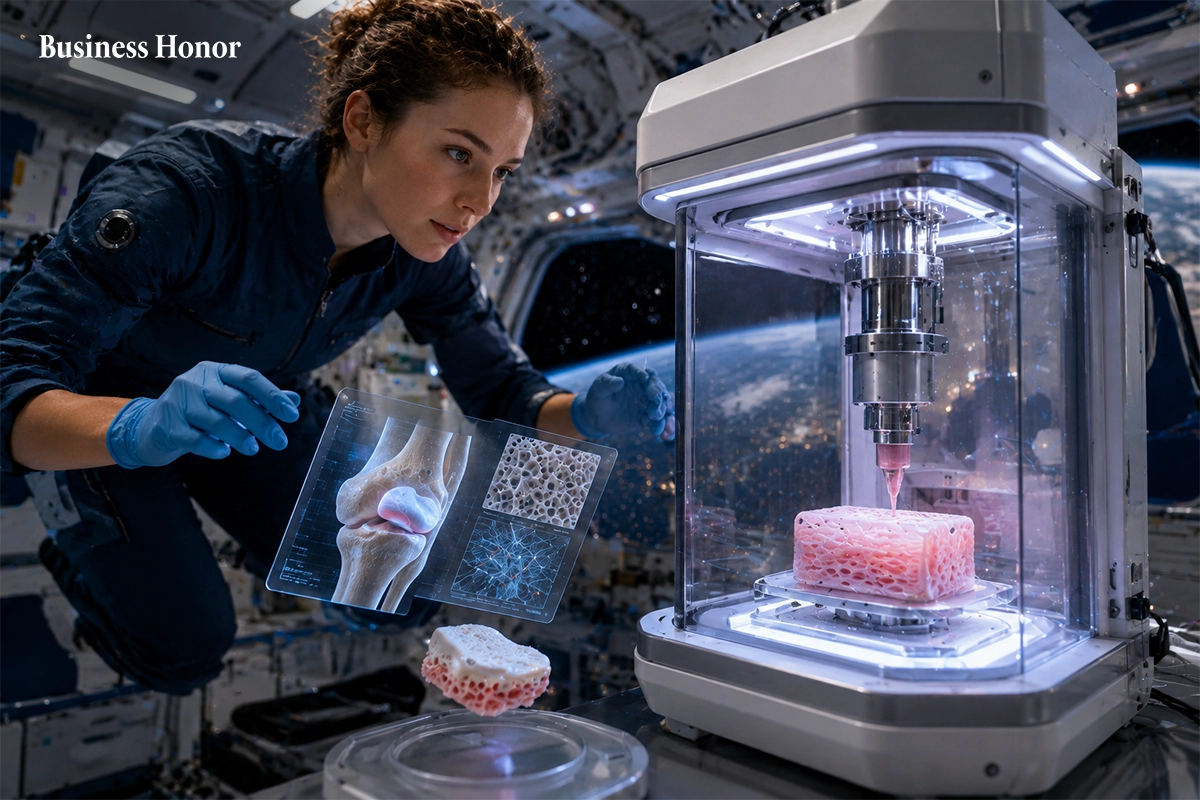
Recent breakthroughs underscore the sector's technological momentum. The EXT 220 MED printer received FDA clearance for 3D-printed VSP PEEK cranial implants, which have already been used in over 60 cranioplasty surgeries. ProtoLabs introduced its Axtra3D Hybrid PhotoSynthesis technology, while Materialize launched three new industrial materials: Polyamide 12S, Polyamide 11, and carbon fiber reinforced polyamide. In November of 2024, HP made several announcements regarding new polymer and metal printing innovations, including High Reusability PA 12 which is designed for creating strong and chemically resistant parts, as well as TPA material which was developed in collaboration with Evonik and can be used to create a flexible and lightweight component.
|
The latest Protolabs survey from 2024 shows “the general business confidence is high, with 77% of the respondents indicating that the medical and health sector has the highest volume of opportunity within their industries.” |
In addition to this the report states that 70% of businesses printed more parts during 2023 than they did in 2022, and 80% of businesses achieved substantial cost savings. Interestingly, 47% of businesses stated that they now prefer 3D printing over traditional manufacturing methods, which was up from 44% as compared to the previous year.
Europe continues to position itself for the fastest growth rates, with the introduction of Impossible Objects high-speed composite printers as well as Mimaki Europe highlighting their full color capabilities. The 3D printing industry is significantly contributing to strengthening Europe's technological independence through its contribution to the Ariane 6 space program via the aerospace sector. Within North America, and specifically Canada,
Business Honor is of the view that 3D printing's rapid expansion represents a transformative shift in advanced manufacturing capabilities globally.
FAQs:
Q: What is the projected value of the global 3D printing market by 2034?
A: The market is expected to reach USD 134.58 billion by 2034, growing at 18.52% annually.
Q: Which region currently leads the 3D printing market?
A: North America dominates with over 35% of global revenue share in the 3D printing sector.
Q: What is the largest application segment for 3D printing?
A: Prototyping represents the largest segment, accounting for 55% of total market share globally.
Q: Which industries benefit most from 3D printing technology?
A: Automotive, aerospace, medical, and healthcare sectors lead adoption, with automotive generating over 25% revenue.
Q: What percentage of businesses prefer 3D printing over traditional manufacturing?
A: 47% of businesses now prefer 3D printing, up from 44% the previous year reported.

































.webp)

.webp)




.webp)



Comments
0 Comments