
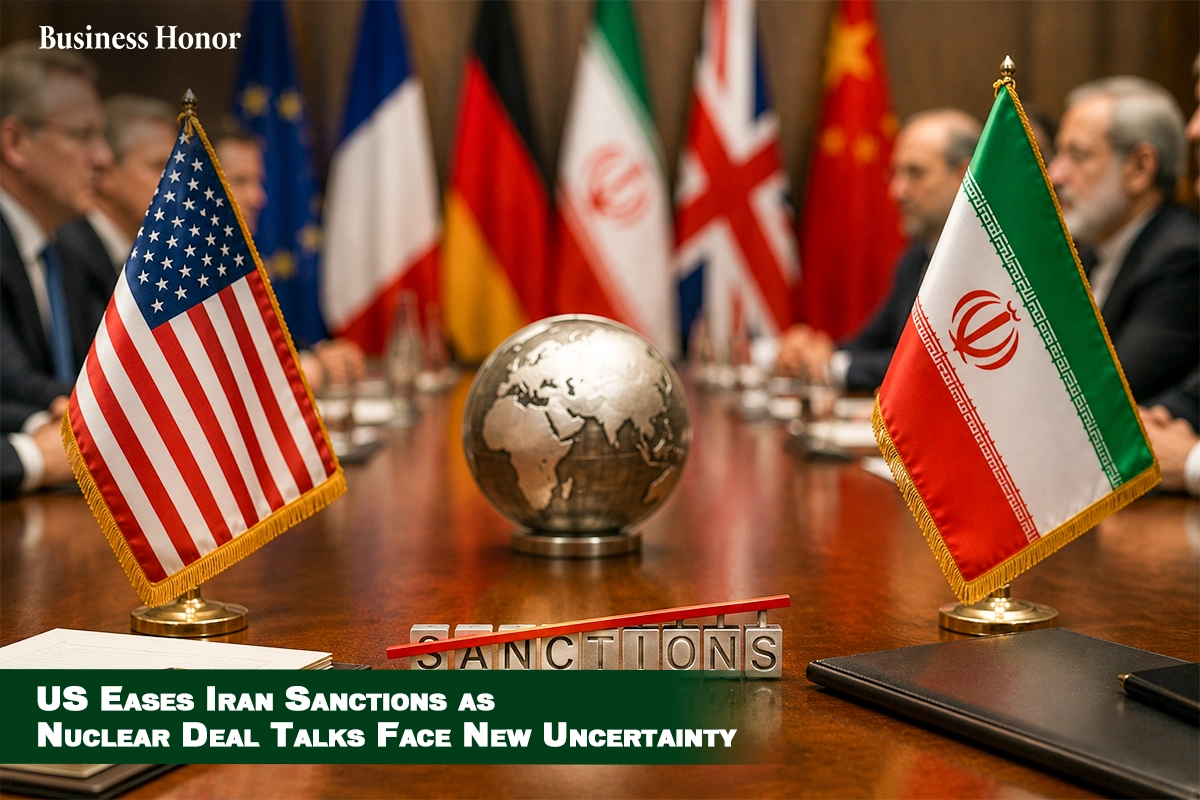
The US relaxes key oil sanctions on Iran as both sides pursue a 60-day roadmap, but disagreements over nuclear inspections threaten progress.
The recent Iran sanctions developments have introduced a new phase of diplomacy in the world due to the temporary loosening of sanctions against the exportation of Iranian oil in connection with the negotiations for an overall deal. This has led to conversations about the latest Iran sanctions relief news as well as the effects that the decision may have on the international energy markets.
This comes at a time when there are US-Iranian relations negotiations in which the two countries agreed to adopt a roadmap of 60 days in order to come to a final deal. The mediators, which include Qatar and Pakistan, revealed that the two parties have agreed on communication channels in order to de-escalate tensions. Under the temporary sanctions waiver, Iran will regain limited access to the international oil trade, allowing the production, sale, and transportation of crude and petrochemical products. The decision could reshape the impact of Iran oil sanctions on markets as energy traders monitor whether Iranian exports return to global supply chains.
However, the deal faces difficulties with respect to nuclear inspections. US Vice President JD Vance asserted that Iran will start talks with the IAEA about the reintroduction of the inspectors, but the Iranian side denied the statement, saying no new promises were made. It is a serious issue preventing the signing of an updated agreement between the US and Iran, since America wants to have better verification of Iran’s nuclear activities, while the Iranian side wants inspections to be performed according to current legislation.
Among other issues, the opening of the Strait of Hormuz, one of the most important shipping lanes in the world, was discussed. It is reported that both parties agreed to establish communication to prevent military clashes and allow commercial ships to pass through. The new round of negotiations takes place following many years of strain since the US pulled out of the deal that was signed back in 2015 and imposed economic pressure on Iran. The sanctions had an impact on the Iranian economy while concerns about its nuclear program kept on influencing international politics.
Sanctions relief may be considered a tool for bringing economic gains to Tehran and easing tensions on the global energy market. Nevertheless, the success of this deal in the long term would depend on the settlement of several key disagreements including those related to nuclear inspections and regional conflicts. Business Honor observes that easing Iran sanctions could reshape energy markets, but long-term business confidence depends on stable diplomacy and enforceable agreements.
FAQs
1. Why did the US ease Iran sanctions?
The US temporarily eased sanctions to support ongoing negotiations and allow Iran limited access to oil exports while both sides work toward a broader agreement.
2. What are Iran sanctions?
Iran sanctions are economic restrictions imposed mainly by the US and other countries to limit Iran’s trade, financial activities, and nuclear-related programs.
3. Why are nuclear inspections important in US-Iran talks?
Nuclear inspections help verify whether Iran’s nuclear activities are being used for peaceful purposes and provide confidence to international governments.
4. How could the deal affect global oil prices?
If Iran’s oil exports increase and the Strait of Hormuz remains open, global oil supply could improve, potentially affecting energy prices.
5. Will the US-Iran agreement become permanent?
The agreement is still in an early stage. Success depends on resolving disputes over nuclear monitoring, sanctions, and regional security issues.



















.webp)


Comments
0 Comments