
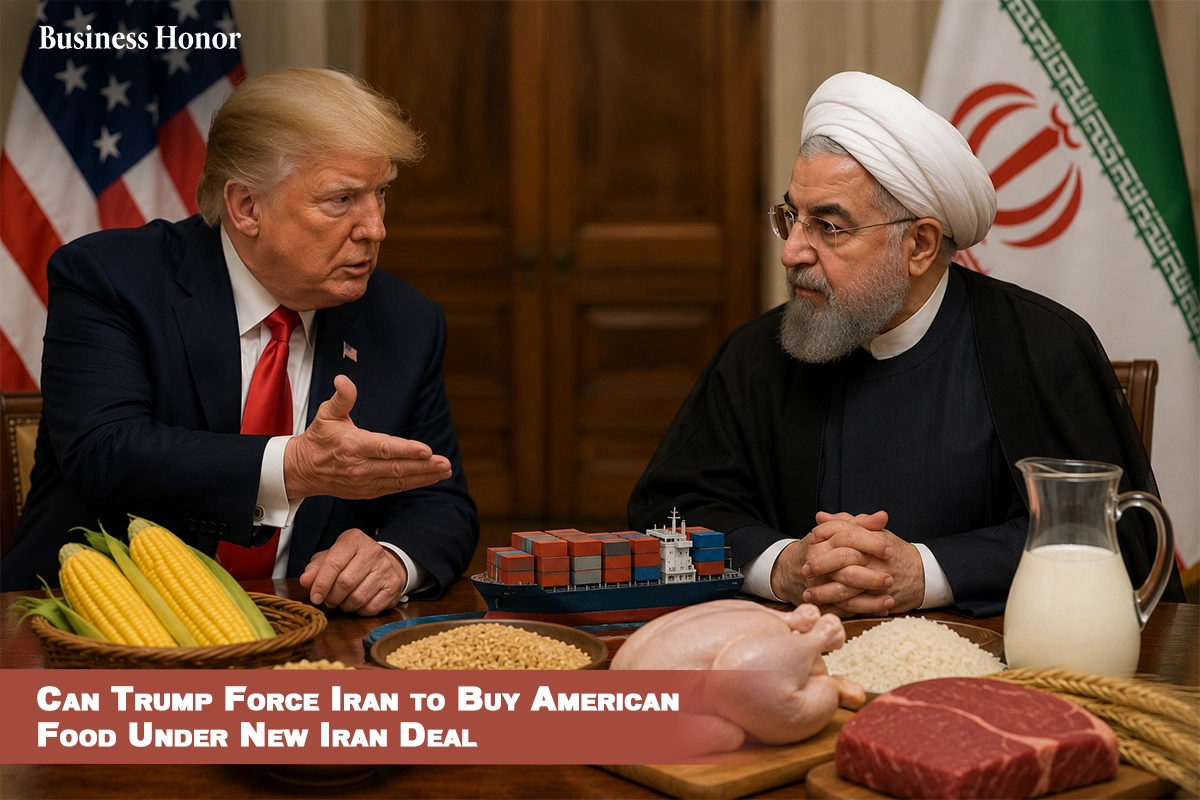
Trump warns of action if Iran breaches interim accord; dispute emerges over Iran deal spending terms and agricultural purchase obligations.
|
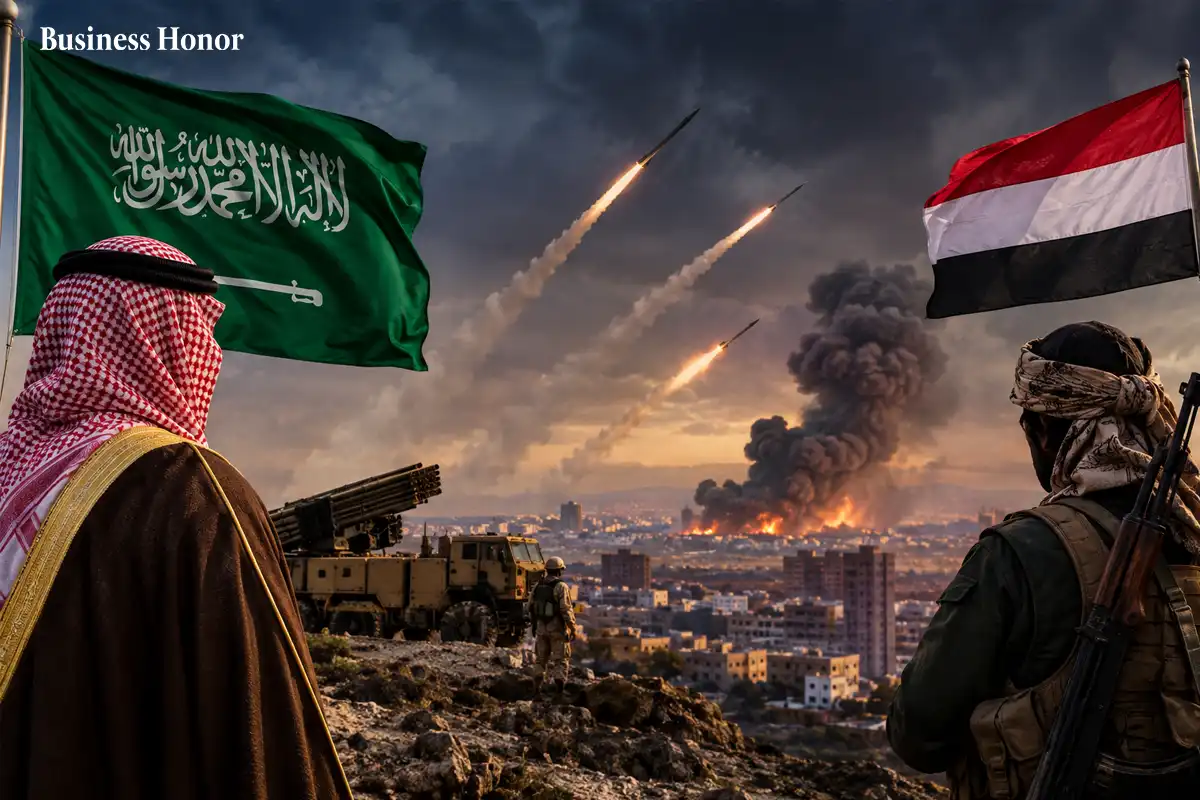
US Iran Relations: President Donald Trump issued a stern warning to Iran on Monday, stating he would take unspecified action if the nation fails to comply with a newly signed interim agreement between Washington and Tehran called the Iran deal. Speaking to reporters, Trump declared, "If Iran doesn't live up to their agreement, or if they're not behaving, I will do what I have to do," without elaborating on what such measures might entail. The warning comes days after Trump and Iranian President Masoud Pezeshkian signed the interim accord, marking a significant diplomatic development in a region teetering on the brink of broader conflict. The agreement represents a tentative de-escalation following months of severe military tensions that saw the United States and Israel launch coordinated attacks against Iran, prompting Iranian retaliation with strikes against Israel and U.S. defense installations throughout the Gulf region.
A central point of contention already emerging between the two nations concerns how Iran will deploy the billions in previously frozen assets that will be unfrozen under the deal. Trump asserted that the released funds should be directed exclusively toward purchasing American agricultural products, arguing that Iran's 91 million population faces critical food shortages. "All that money's coming back in the form of purchases of food which they desperately need. They have 91 million people, they cannot feed them. So, the money that we lift is going to go to our farmers," Trump stated, framing the arrangement as beneficial to American agricultural interests.
On the other hand, Iran’s view of the situation is very different. In an interview with the semi-official Tasnim news agency. Governor Abdolnaser Hemmati of Iran’s Central Bank stated that Iran does not have a contractual obligation to buy agricultural inputs solely from the United States and that the Memorandum of Understanding allows Iran to use the unfrozen funds for the purchase of a variety of goods that are not subject to sanctions beyond agricultural products. This indicates to Hemmati that Iran will utilize the capital that was recently released to meet its economic needs in addition to food purchases. The opposing viewpoints on the MOU provide an indication of how unstable the agreement could potentially be if each side has a fundamental disagreement over the interpretation of its terms. The conflict surrounding financial disparities between both countries reinforces a larger issue surrounding Iran’s sovereignty and ability to conduct trade with other nations.
Business Honor is of the view that Trump's Iran deal represents a strategic shift in U.S. economic leverage and regional diplomatic execution capabilities.








.webp)

.webp)




.webp)


Comments
0 Comments