

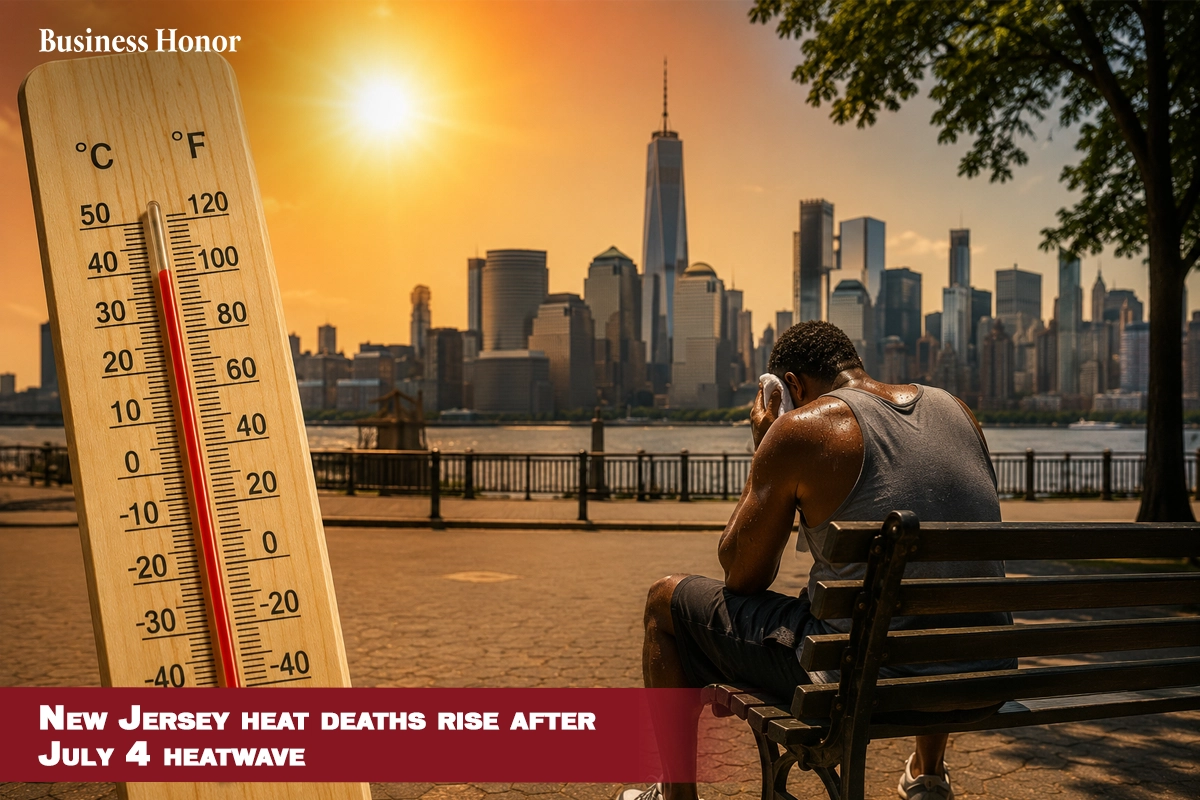
Rising temperatures across North American host cities are drawing attention to the growing risks of extreme heat for players, fans, and urban communities.
Extreme heat has been one of the biggest issues that have come up in the FIFA World Cup 2026. This is due to a study that has revealed the possibility that some matches can be played under health-compromising temperatures for the athletes and fans attending the games. The World Cup is scheduled in the US, Canada, and Mexico, where it is likely to turn out as one of the hottest World Cups due to the changing climate.
According to World Weather Attribution, up to 26 out of 104 World Cup games may face extreme heat conditions. This study has made it clear that there are concerns about how extreme heat impacts on sporting events. This is because southern states of the US and parts of Mexico will experience temperatures exceeding 30°C throughout most days of the year.
This problem is not limited only to the sport of football. Numerous urban centers are faced with increasing temperatures in recent times, with over 1,200 cities experiencing their hottest year ever recorded. Scientists cite the growing prevalence of the urban heat island effect, where urban infrastructure such as buildings and roads store excess heat, making the area much hotter compared to surrounding places.
Organizers have employed a number of strategies in order to mitigate this risk during tournaments such as water breaks, use of cooling stations, misting systems, as well as changing kickoff time among others. Nevertheless, according to climate change specialists, it will take more than adaptation since addressing the problem requires curbing emissions of greenhouse gases.
Some of the solutions being employed by several cities include Ahmedabad in India, where they have been able to reduce heat deaths with the aid of an early warning system and Medellin in Colombia, where temperatures have been reduced with green corridors projects.
According to studies conducted by scientists, it can be said that greenery in an urban setting is essential to reduce heat exposure. Studies have shown that the temperatures in such settings could be much higher if there were no trees at all.
Millions of soccer fans are heading towards Brazil for the FIFA World Cup tournament, and while they focus on the sport and entertainment, they might also realize the seriousness of the heat problem. Business Honor observes that extreme heat is becoming a critical challenge for cities and global events, driving investment in climate resilience, public infrastructure, and sustainable urban planning.










.webp)






.webp)

