
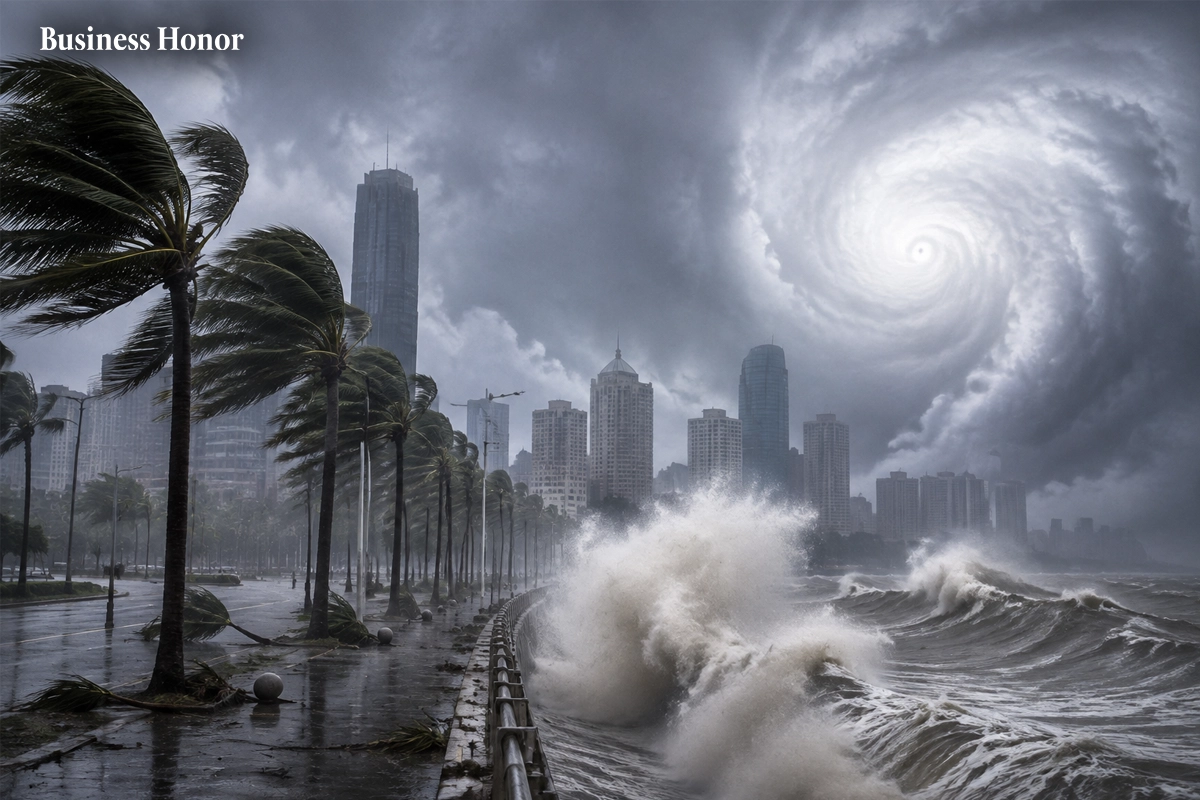
Typhoon Dolphin has made landfall in Zhejiang as China’s strongest storm of the year, triggering evacuations, flight cancellations, flooding and landslide warnings.
|
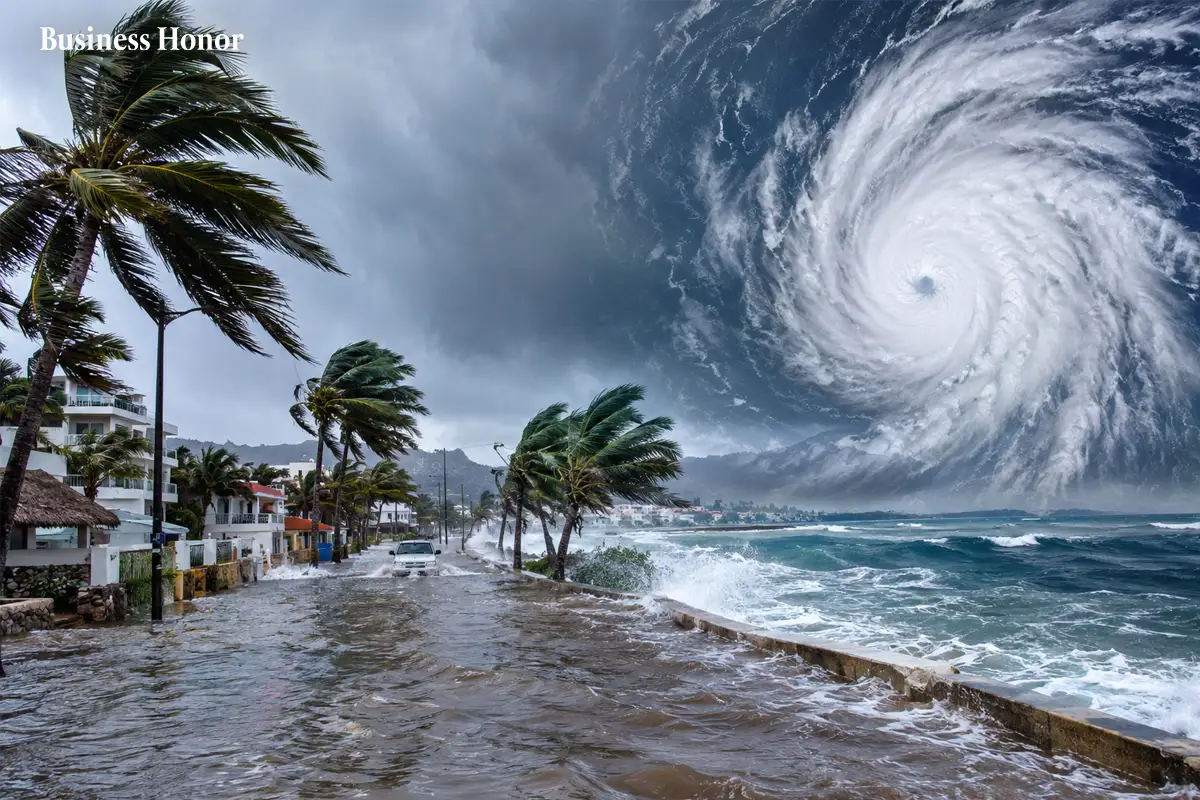
The Typhoon Dolphin landfall in eastern China has prompted several emergency preparations after the typhoon brought heavy, damaging winds and an increased risk of flooding and landslides. Typhoon Dolphin made landfall in Zhejiang Province at about 5:30 pm local time on Sunday with maximum sustained winds of 94 miles per hour (151 kilometers per hour). The typhoon was described as a category 1 hurricane on the Saffir-Simpson scale.
The Typhoon Dolphin landfall came after the typhoon passed through southern Okinawa Prefecture of Japan, where there were injuries to six people and 50,000 buildings were without electricity. China acted through a massive mobilization plan. Over 30,300 people were evacuated offshore staff were instructed to be taken to safety. Boats were recalled from sea while inspections were intensified in reservoirs, mountain streams, building sites, and landslide-prone zones.
Shanghai, 1,500 flights were canceled due to the approaching storm, while Yangshan Port has evacuated ships from the docks with more than 500 small and medium-sized vessels taken to safe harbors. A heavy downpour is expected in the regions of Zhejiang, Shanghai, Fujian, Jiangxi, Anhui, and Jiangsu. Parts of central and eastern Zhejiang will receive 250-500 mm of rainfall.
Wenzhou saw more than 900,000 people evacuated, while officials from Fujian evacuated almost 99,000 people living in dangerous zones. Ferry services were halted and offshore activities ceased. According to the National Meteorological Centre, Dolphin will change course and weaken over central and south western parts of China. Nonetheless, the slow pace may cause more rain.
This is the most recent case of a typhoon hitting China, and the situation is about extreme weather conditions. Global warming is being blamed for worsening conditions in tropical cyclones. Business Honor believes stronger disaster preparedness and climate-resilient infrastructure are increasingly vital as extreme weather risks intensify.
































.webp)

.webp)




.webp)



Comments
0 Comments