
Santa Barbara parents cite anxiety, depression, and sleep disruption linked to excessive school-issued device use.
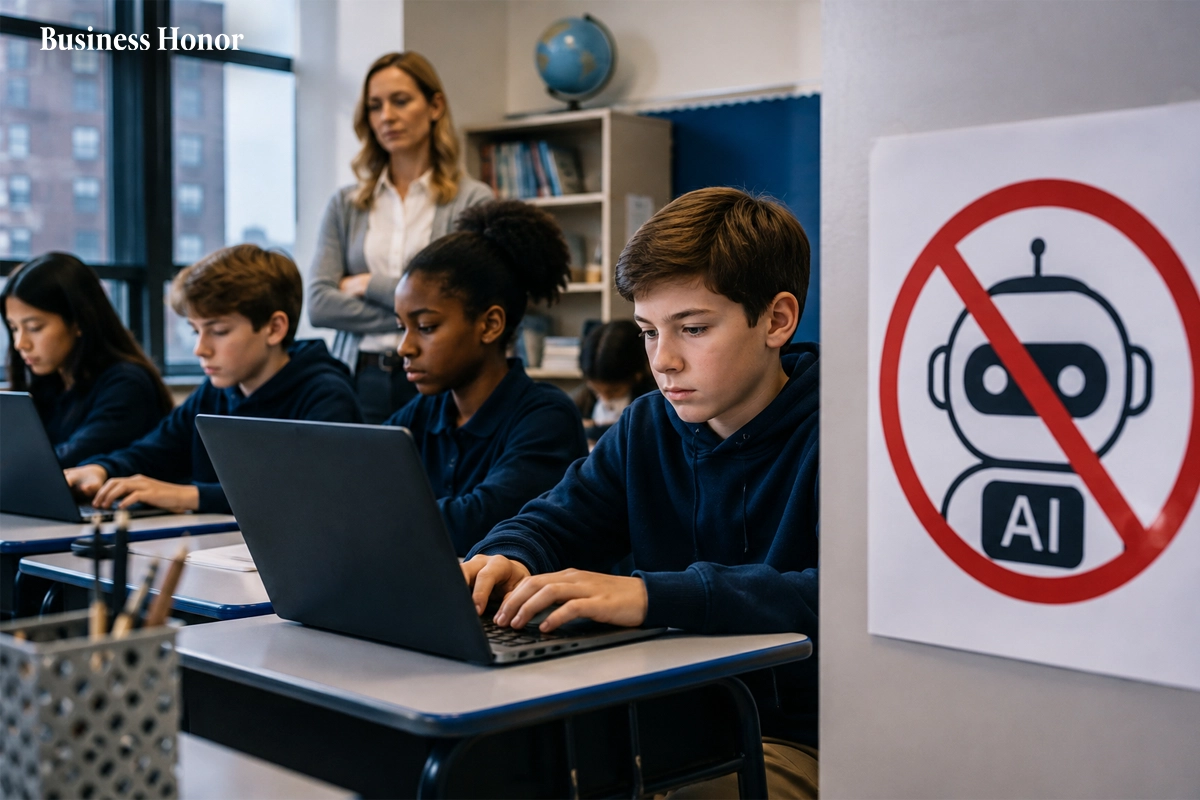
A growing movement of parents in Santa Barbara Unified School District is challenging the rapid expansion of educational technology citing alarming cases of psychological harm and device misuse among students. The movement gained momentum following an incident in which a 10 year old girl accessed a horror game called Granny on her school issued iPad during class experiencing severe trauma and sleep disturbances afterward. The incident prompted her father to raise systemic concerns about device oversight noting that schools lack visibility into what students access during school hours despite security measures in place.
The phenomenon has earned the term "tablet trauma" reflecting how students routinely circumvent school firewalls and filters using information from social media and AI tools like ChatGPT. Nearly 90 percent of American students now receive school issued Chromebooks or iPads with screen based learning becoming central to assignments and examinations following pandemic era acceleration of EdTech adoption.
Autumn McFarland, a parent with a master's degree in educational psychology, documented concerning behavioral changes in her 13 year old daughter following assignment of a personal iPad in 7th grade. Despite district-provided parental monitoring access, her daughter secretly accessed YouTube Shorts for hours nightly, resulting in sleep deprivation, mood changes and anxiety. Teachers observed corresponding behavioral shifts before parental intervention improved her condition.
A growing body of research links prolonged screen use to anxiety, depression, shortened attention spans and delays in social-emotional development. Global studies indicate that increased classroom technology use correlates with declining test scores, suggesting that educational friction—moments of struggle essential for comprehension—is lost in device-based learning. EdTech proponents argue that digital tools enhance interactivity, efficiency and creativity in learning. Critics contend the pendulum has swung excessively, characterizing excessive screen use as an "herbicide" rather than fertilizer for educational gardens.
Business Honor views the EdTech backlash as a strategic shift toward prioritizing student wellbeing over digital integration.































.webp)

.webp)




.webp)