SpaceX launched Transporter-16 using Falcon 9, deploying 119 satellites, improving low-cost access while raising concerns about orbital transfer vehicles.
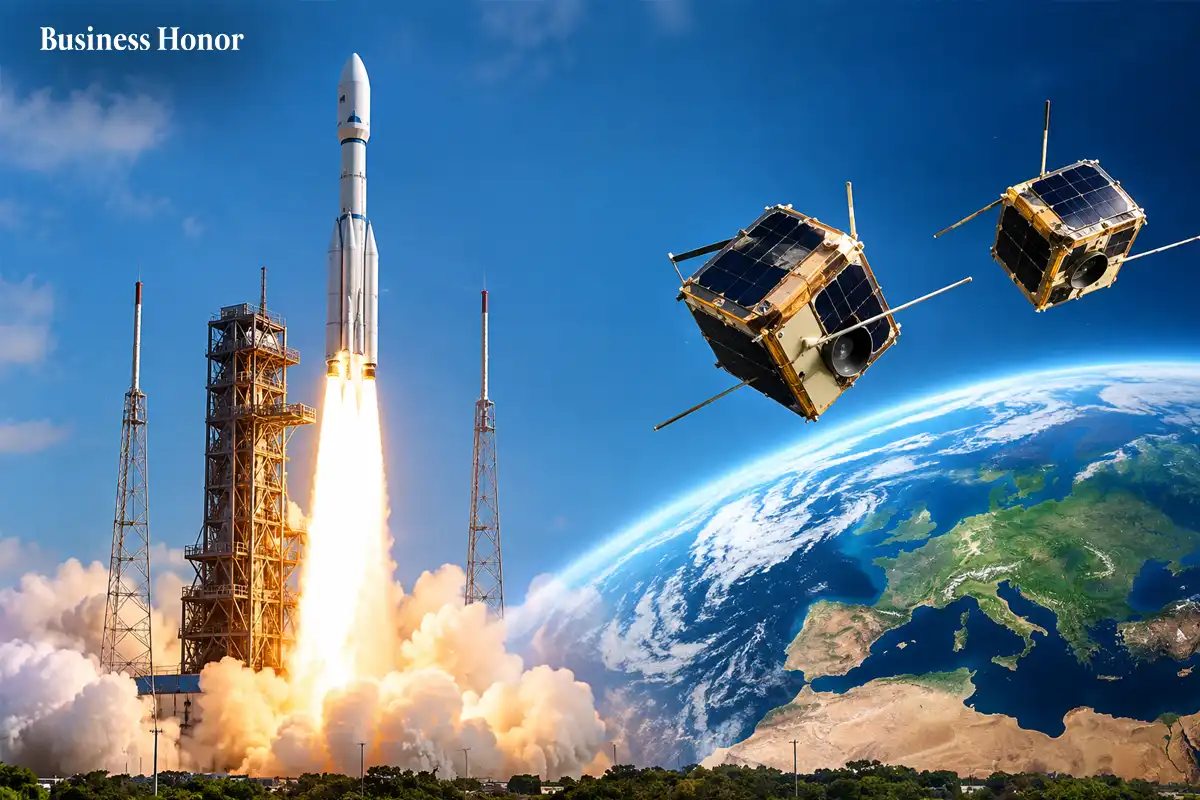
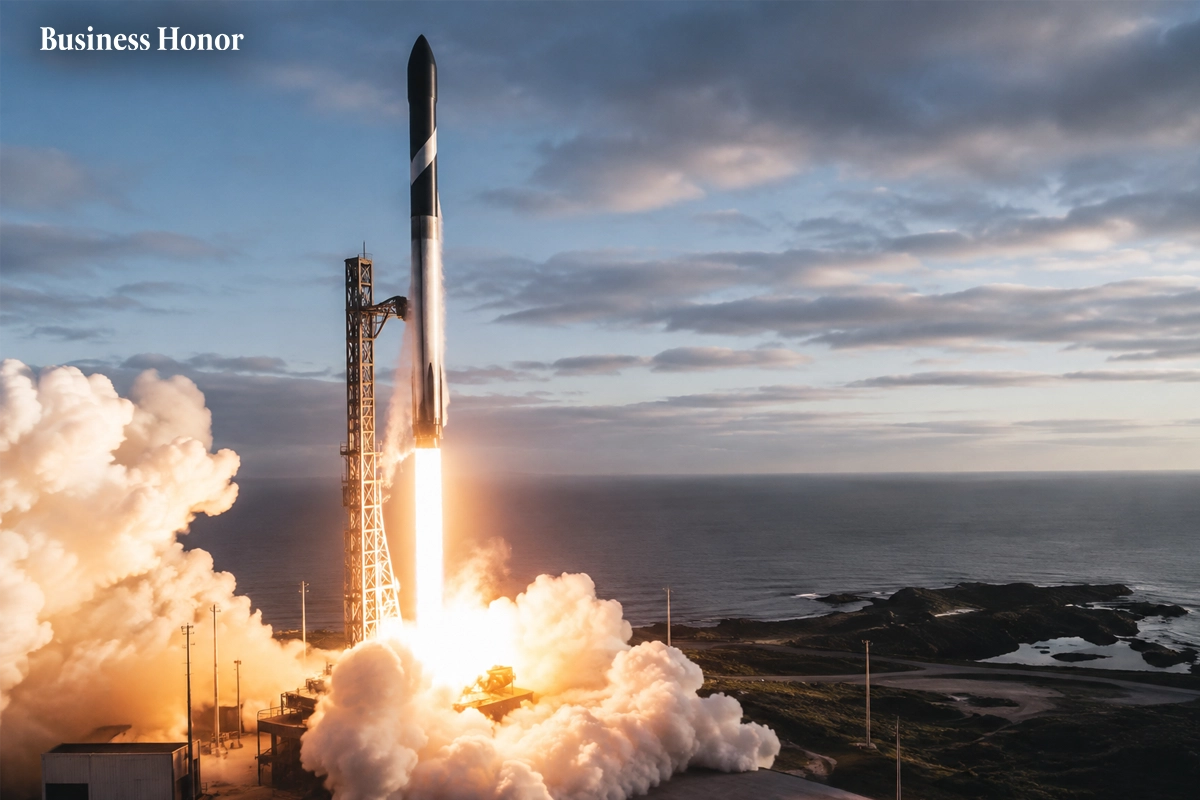
SpaceX launched its most recent rideshare mission Transporter-16, with the aim of reducing the cost and time associated with launching satellites. The Falcon 9 rocket successfully launched from Vandenberg Space Force Base, delivering 119 payloads to their orbits. SpaceX confirmed that all payloads were successfully dispatched and in orbit within a matter of hours after launch.
This particular mission had a diverse range of payloads from both new and existing customers, including the largest payload onboard, Gravitas by K2 Space (the new Mega class), which will produce an unprecedented amount of electricity from its solar array, thereby continuing to demonstrate the need for more strong and technologically advanced space vehicles.
A number of companies added new satellites into their respective fleets (e.g., Capella Space, HawkEye 360, and Iceye), while SatVu introduced the second iteration of its HotSat-2 after the failure of the first version. Additionally, Sierra Nevada Corporation deployed three of its new spacecraft designed for monitoring radio frequencies. Eventous & D-Orbit's space transfer vehicles were part of the launch of Momentus in this endeavor. Rocket Lab and Flyfire Aerospace experts think these types of vehicles will not grow as planned due to limited utility and costs that are expensive!
The rideshare future of space launches is continuing to gain interest from the marketplace through reduced costs and efficiencies. According to the Business Honor, SpaceX's Transporter-16 mission shows the continuous growth of the rideshare launch model's dominance in commercial space launches. However, orbital transfer vehicles may prove to only be useful for a select few niche and specialized mission scenarios.





























.webp)

.webp)




.webp)