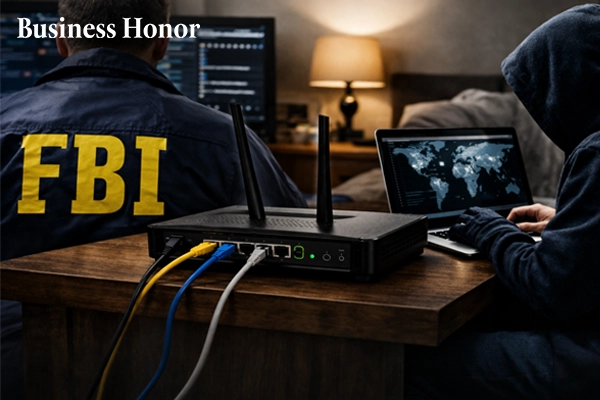
Cybercriminals compromise IoT devices to mask illegal activity, route traffic through unsuspecting consumers' home networks.
The FBI has issued a public service announcement alerting consumers to the risks posed by residential proxies and warning that cybercriminals are exploiting weak home and small business internet connections to facilitate illegal activities while concealing their identities and locations. A residential proxy functions as an intermediary server that routes internet traffic through legitimate IP addresses assigned by Internet Service Providers to consumer devices including smart TVs, digital picture frames, smartphones, tablets, and routers. Once compromised, these devices enable criminals to appear as ordinary users originating from specific geographic locations, selected down to city and state level, fundamentally obscuring their true whereabouts and enabling widespread illicit security operations.
Criminals acquire residential IP addresses through deceptive means. Free Virtual Private Network (VPN) services frequently enroll users' devices in residential proxy networks without explicit consent, embedding disclosure language in terms of service documents that most users neither read nor comprehend. This practice transforms ordinary consumers' internet connections into unwitting accomplices in criminal enterprises.
Residential proxies facilitate diverse criminal activities. Threat actors employ the technology for malware distribution and command and control server obfuscation, phishing attacks, identity theft, spam generation, fake account creation across social media and e-commerce platforms, data exfiltration from compromised networks and brute force attacks that bypass rate limiting and account lockout mechanisms. The technology's ability to rapidly rotate between numerous IP addresses makes it particularly effective for checking security protections.
Individuals should carefully review terms of service before downloading applications particularly free VPN services that may contain hidden enrollment provisions. Understanding how devices connect to networks and monitoring unexpected bandwidth consumption can indicate unauthorized proxy usage.




































.webp)

.webp)



.webp)