

Employers are focusing on upskilling and closing generative AI skills gaps to stay competitive.
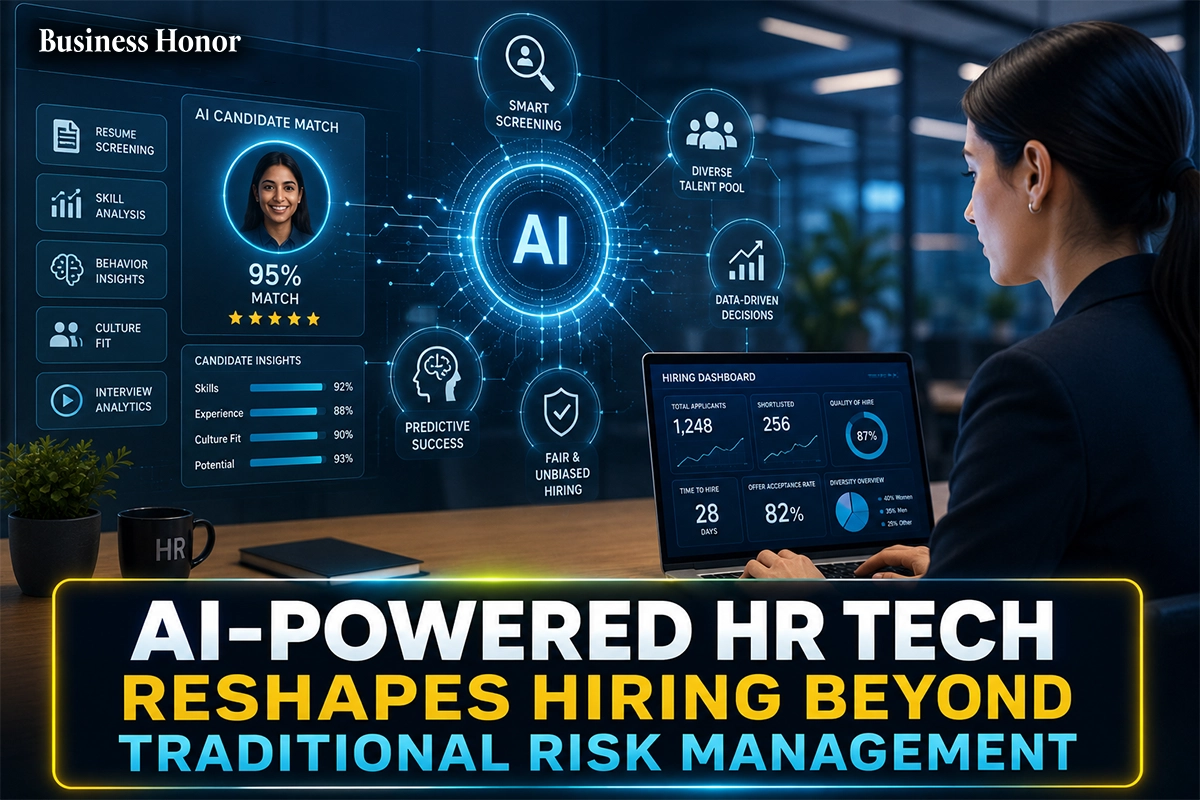
As 2025 approaches, generative artificial intelligence (AI) is expected to play An essential role in shaping workplace trends, according to a recent report by ADP. The firm’s findings highlight how employers are adapting their talent strategies to meet the demands of the growing AI sectors.
Focus on AI Skills Upskilling
The ADP report underscores the increasing importance of AI in the workplace, with a key emphasis on the need for generative AI skills. Data from a McKinsey report cited by ADP reveals that 57% of employers are seeking to close generative AI skills gaps through targeted upskilling initiatives. This trend indicates that organizations are actively investing in their workforce to ensure employees have the necessary knowledge to harness the full potential of AI tools.
Tiffany Davis, ADP’s Chief Inclusion and Diversity Officer, emphasized that employers are also becoming more focused on evaluating talent based on skills and experiences rather than traditional qualifications. As AI technology becomes deeply integrated into business operations, employers are shifting their hiring criteria to reflect this new reality.
AI's Impact on Workers and Legal Concerns
The report also reveals that while most workers believe AI will significantly impact their jobs in the next two to three years, employers are expressing concerns about legal regulations surrounding AI, particularly in hiring practices. Jason Albert, ADP’s global chief privacy officer, indicated that the company anticipates more laws regulating the use of AI in the workplace, which could potentially alter how businesses adopt AI technologies in recruitment and HR functions.
Despite the growing interest in AI, a Slack report published last week noted that AI adoption among workers has slowed compared to the previous year. While AI adoption increased among employees, the pace of growth was slower than in 2023, largely due to confusion about how to effectively use the technology in daily tasks.
The Human-AI Divide
While AI skills are gaining importance, there is still a recognition that human skills remain crucial in the workplace. A report from Cornerstone OnDemand reveals that leadership, communication, and emotional intelligence continue to be in higher demand than AI-related skills globally. Svenja Gudell, chief economist at Indeed, cautioned that AI is still far from being able to replace human abilities in areas requiring empathy and decision-making.
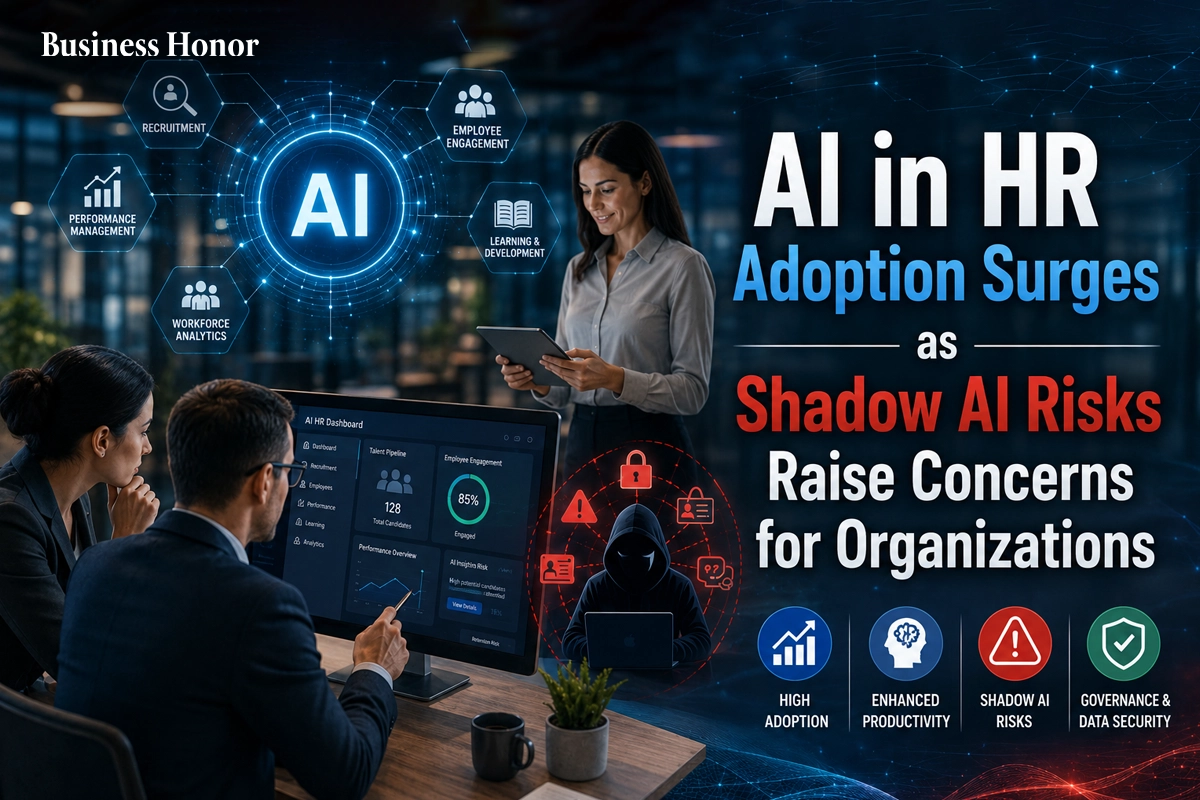
Moreover, concerns about AI regulations remain prevalent, as many employers are yet to establish formal policies for AI use in the workplace. A recent survey by law firm Littler Mendelson found that most employers have not yet adopted a formal policy for generative AI, even though there are growing concerns about the legal risks associated with AI usage in HR functions.
Conclusion
As generative AI continues to reshape the workplace, it is clear that employers are increasingly prioritizing AI skills within their talent strategies. However, balancing technological adoption with human skills and addressing legal concerns will be crucial for companies aiming to stay competitive in 2025 and beyond.

















.webp)

