
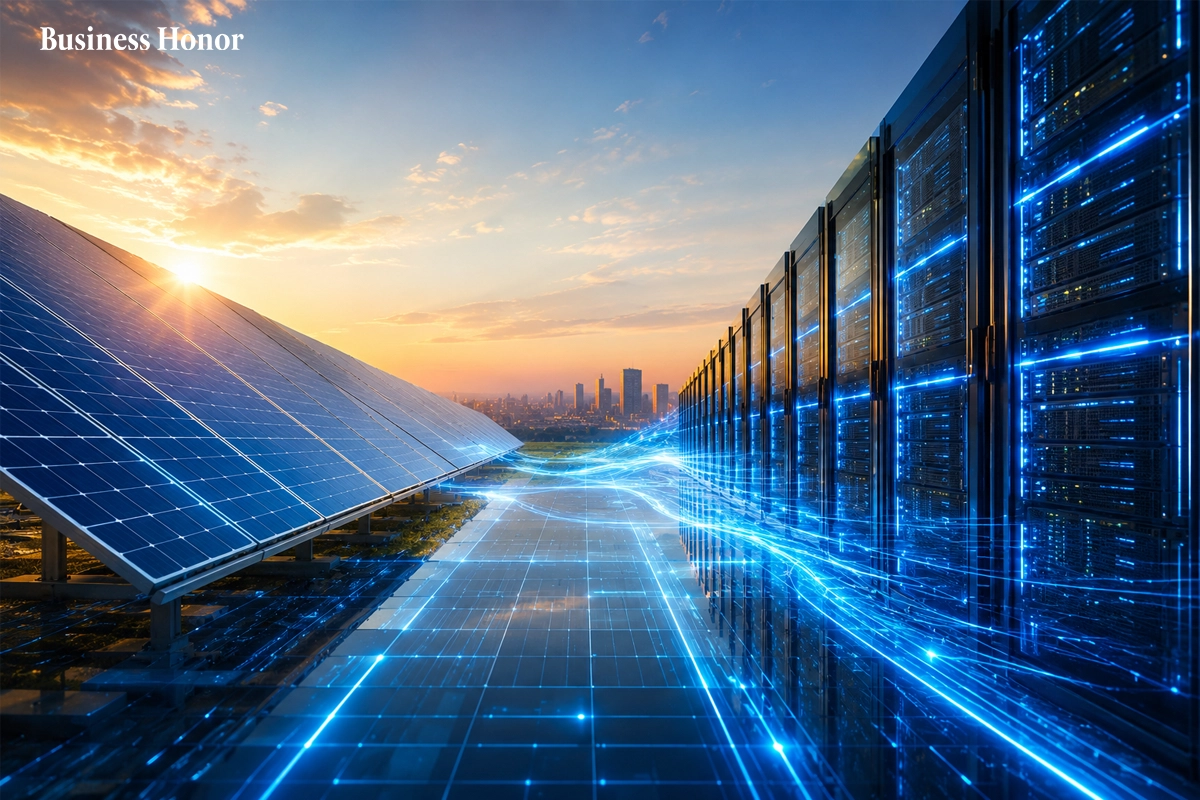
Qcells and Microsoft are exploring new energy capacity and virtual power plants to support data center growth while strengthening grid reliability.
|
Qcells Microsoft alliance is expanding beyond solar panel supply and engineering, procurement and construction (EPC) services to explore new ways of adding energy capacity alongside Microsoft’s growing AI infrastructure.
Under a proposed “Bring Your Own Capacity” (BYOC) approach, Qcells will build new sources of energy that will either be used by Microsoft or the local utility company in the areas surrounding Microsoft's data centers. This initiative comes at a time when rapid expansion of AI infrastructure is leading to increased electricity demands and posing new challenges to local electricity grids.
This solution comes at a time when the fast-growing AI industry is putting increased demands on electricity for data centers and creating new pressures for the local energy grids. The companies have stated that the collaboration seeks to address this issue.
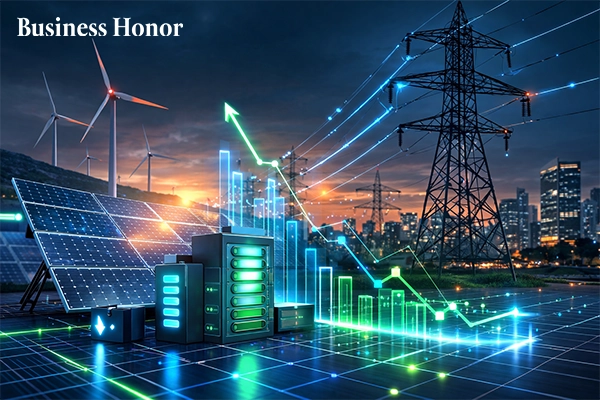
Virtual Power Plants (VPPs) are also being considered by Qcells and Microsoft, where thousands of batteries from residential and commercial sources can be combined as a flexible source of energy. In times of high electricity demand, batteries can provide electricity to the grid, while consumers can operate their batteries as usual during other times.
Qcells will give preference to income-eligible families to participate in this project, which can enable communities to save money on electricity costs. Microsoft Fabric and Azure would be used as a data infrastructure for coordinating the distributed energy resources.
The new collaboration is an extension of a deal initiated back in 2023, where Microsoft had committed to purchasing 2.5 gigawatts of domestically manufactured solar modules and EPC services from Qcells. The following year, 2024, saw an expansion of the deal up to 12 GW, resulting in one of the largest solar supply and EPC deals ever seen.
The latest collaboration marks a move towards development and coordination of energy resources needed to meet the electricity requirements of AI and data centers. Business Honor believes pairing new AI demand with additional energy capacity could offer a more sustainable path for data center expansion while supporting local grid resilience.


























.webp)
.webp)

.webp)



Comments
0 Comments