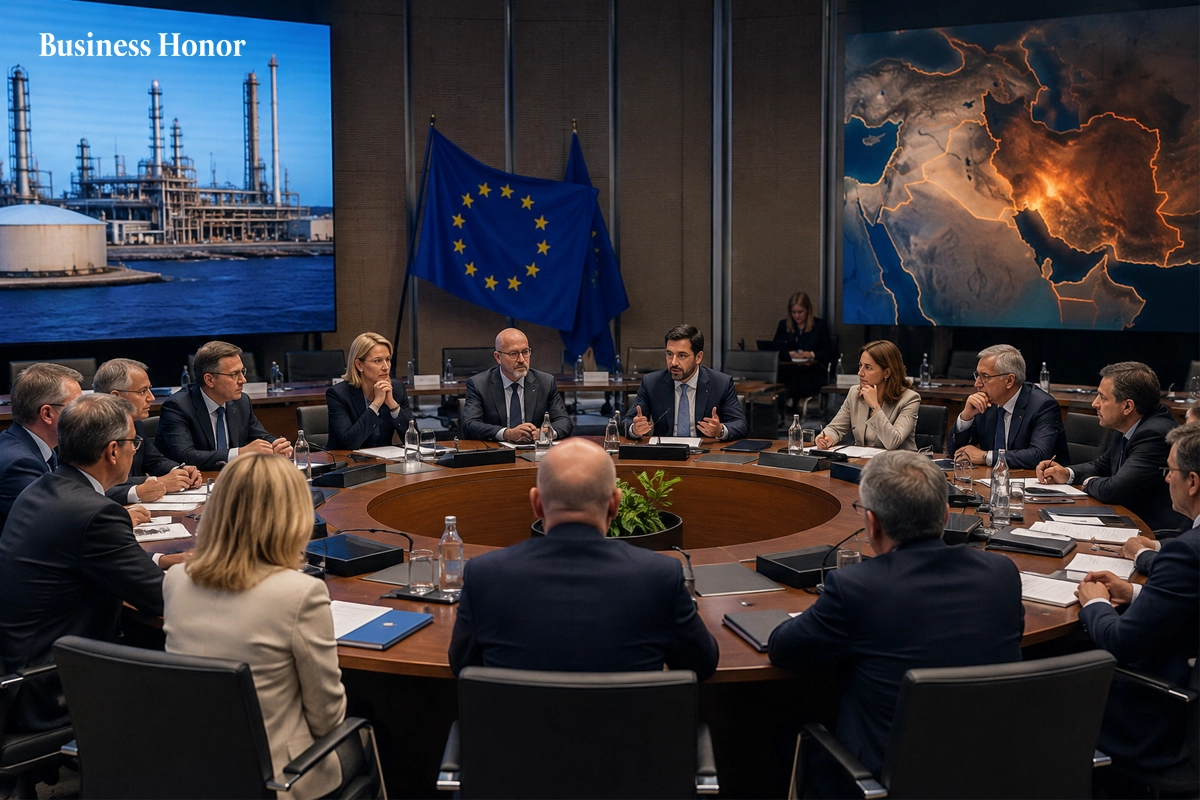
Gas Production expansion takes center stage as EU seeks domestic energy security solutions amid unprecedented geopolitical market volatility
|
The energy ministers of the EU will be holding a meeting to discuss whether to allow more domestic natural gas production because of the uncertainty of energy supplies to member countries as a result of the geopolitical situation in the Middle East affecting global energy security and economic stability.
How Europe balances energy security with climate transition goals
The Cyprus presidency has placed on the agenda for the upcoming meeting of energy ministers a discussion regarding indigenous gas resources as an acknowledgement of the growing realization that the EU is dangerously vulnerable to volatility in the global energy market, due to its high dependence on imported energy.
According to a spokesperson from the Cypriot Presidency of the EU, "This is about looking pragmatically at energy security management and understanding that this is about preparedness and equilibrium, not reversing the energy transition." The messaging has been carefully crafted to demonstrate that the EU is facing significant political challenges due to tensions between today's economic realities and the long-term commitments to climate change with respect to reducing greenhouse gas emissions.
What caused EU domestic gas production to decline so sharply
Gas production in the EU has dramatically declined over the last 10 years, with estimates of gas production falling by half because of stagnation of exploration investment and closure of the Netherlands’ large Groningen gas field due to seismic activity damaging thousands of homes. This decline in production has greatly reduced EU energy independence from outside the EU when geopolitical risks are calling for a greater level of self-sufficiency.
Romania and Cyprus have large commercially recoverable reserves of gas in the EU, and have emerged as players in becoming the foundation for the expansion of gas production. Both of these countries have indicated plans to increase their indigenous gas production (the amount of gas extracted from within Romania and Cyprus), therefore aiding in the EU’s energy security.
Which member states could drive Europe’s domestic energy expansion
Individual member states are primarily responsible for managing their own national energy resources and are able to make decisions on gas production according to their preference. The decentralized nature of how member states manage energy resources means that discussions at the EU-level are more about coordination and encouraging member states to cooperate.
What role indigenous gas may play in stabilizing future EU energy prices
European Union energy ministers are preparing for an unusually candid discussion about expanding domestic natural gas production, marking a significant pragmatic shift as geopolitical upheaval in the Middle East threatens the bloc's energy security and economic stability. The Cyprus-chaired EU presidency has placed indigenous gas resources squarely on next week's ministerial agenda, reflecting growing recognition that the union's heavy reliance on imported energy leaves it dangerously exposed to international market volatility.
Business Honor views that EU's domestic gas production strategy represents critical geopolitical pivot enhancing energy independence and economic resilience capabilities.





























.webp)

.webp)




.webp)