
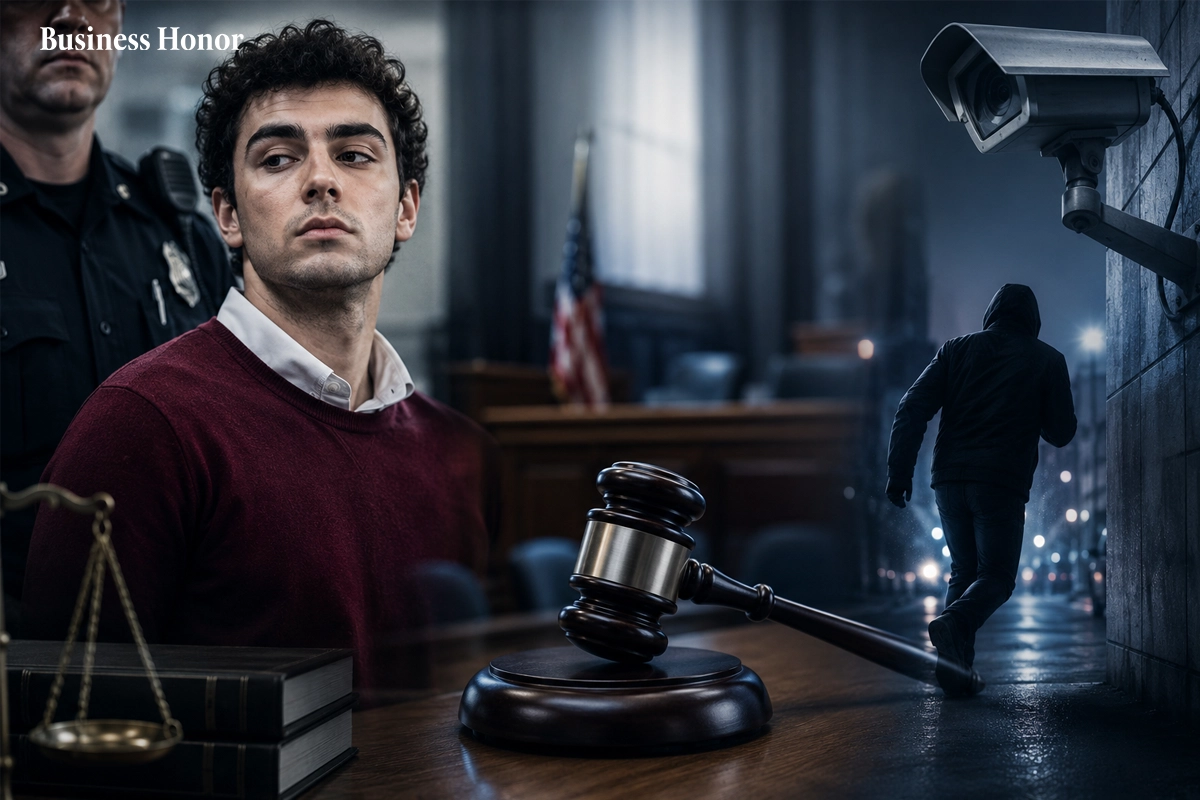
Luigi Mangione admits killing UnitedHealthcare CEO Brian Thompson, but his guilty plea may be only the start of a bigger legal battle.
|
Luigi Mangione has admitted to killing UnitedHealthcare CEO Brian Thompson, taking a major step in a case that has shocked the U.S. and triggered fierce debate over healthcare, corporate power and justice.
Mangione pleaded guilty Friday in federal court to stalking charges linked to Thompson's December 2024 killing in New York City. During the hearing, he directly acknowledged shooting Thompson and said he knew what he was doing was illegal.
The admission changes the federal case dramatically. However, it does not close the book on Mangione's legal troubles.
Mangione's lawyers are now pushing to have several New York state charges dismissed. They argue that prosecuting him again over related conduct could violate double-jeopardy protections, which generally prevent a person from being prosecuted twice for the same offense.
The federal charges involve interstate stalking resulting in death. Mangione's federal sentencing is scheduled for December 18, while his separate New York case remains active.
Thompson's family described the guilty plea as an important step toward justice but stressed that additional proceedings in New York and Pennsylvania are still ahead.
The case has become bigger than the courtroom. Mangione attracted intense online attention after the killing, with some people portraying him as a symbol of anger toward the U.S. healthcare and insurance system.
Mangione is accused of traveling to Manhattan before the shooting and gathering information about Thompson's whereabouts by posing as an investor. Prosecutors have also described allegations involving a weapon that Mangione allegedly manufactured.
Despite the public debate, the central fact remains unchanged: Thompson was killed in a targeted attack.
Mangione has pleaded not guilty to all eight New York charges. If convicted, he could face life in prison. New York does not have the death penalty.
The federal guilty plea brings a major development, but not a final resolution. Business Honor asks can widespread anger toward an industry explain public sympathy for a violent crime without excusing the crime itself?
For Mangione, the courtroom battle is far from over. For the U.S. healthcare industry, the public reaction offers another warning that deep frustration can become explosive when trust in powerful institutions collapses.













.webp)



.webp)


Comments
0 Comments