
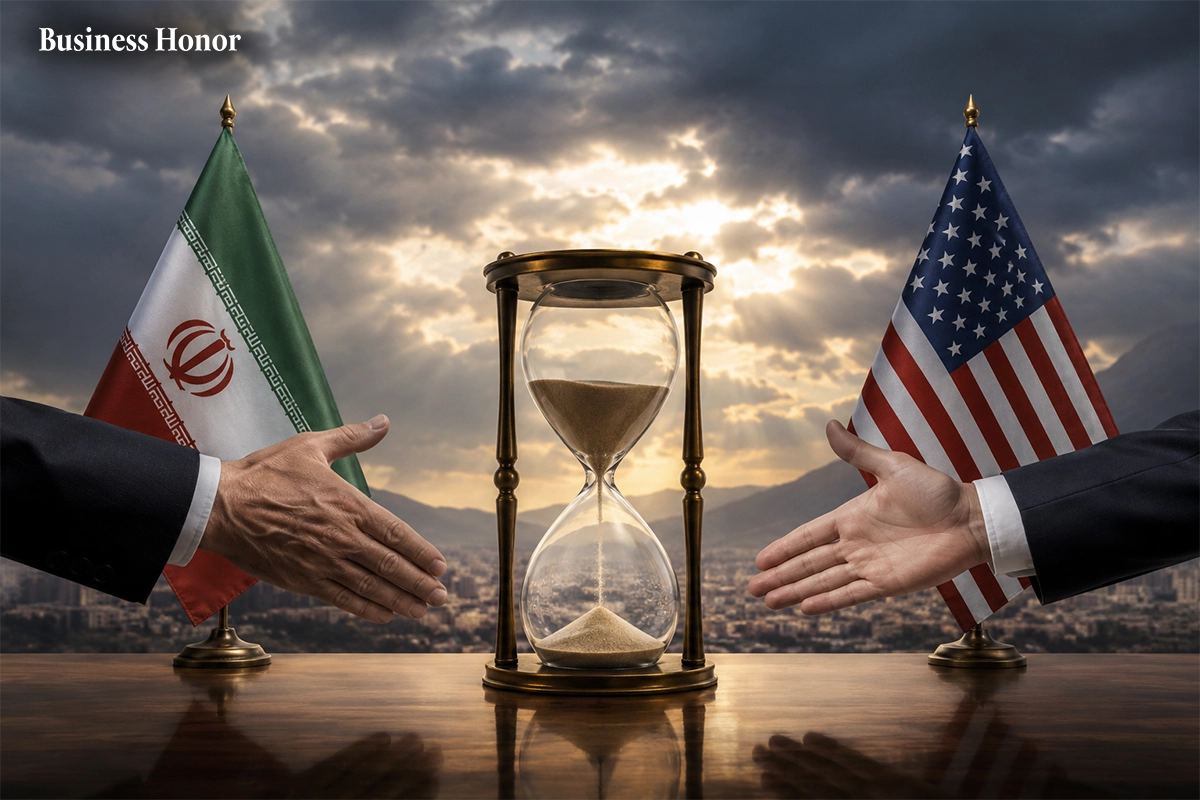
Unprecedented timeline for Iran US deal raises questions about diplomatic feasibility and administration commitment to complex negotiations.
|
On Friday, the U.S. and Iran will sign a preliminary agreement at a ceremony in Switzerland, intended as a path to resolve the impasse over Iran’s nuclear developments—an issue that has plagued Iran US deal relations for years. The proposed agreement would create a two-month negotiating period on the details of Iran’s nuclear program. President Donald Trump had previously stated that Iran’s nuclear program was the basis to use U.S. military resources with Israel in military operations as of February. The unsigned Iran nuclear deal also suggests re-opening the Strait of Hormuz to provide global shipping routes for oil, create financial incentives for Iran under a series of performance-based thresholds, and provide sixty days of serious negotiations towards dismantling Iran’s nuclear capabilities. However, very little is known publicly about the specifics of the overall agreement.
While both sides of the aisle have expressed skepticism about the compressed timeframe in which to achieve an agreement (one that ultimately resolves the underlying issues), some Senators have been particularly vocal in their doubts about the likelihood of achieving any substantive agreement. For example, Republican Senator Lindsey Graham, South Carolina, who has historically been a strong advocate against Iran and a close ally of President Trump added his voice of skepticism regarding the ability of the U.S. Government to reach any meaningful agreement with Iran. As Graham indicated, “My concern is Iran itself. I am not sure what a good agreement would be, but no enrichment; and we’ll find out along the way. The next question will be whether we really get to phase two;" according to Graham.
The skepticism intensifies when compared against the 2015 Joint Comprehensive Plan of Action negotiated during President Barack Obama's administration. These negotiations to finalize the official nuclear deal took over 18 months and began with secret meetings in Oman before reaching their conclusion in Vienna. These negotiations required dozens of high-level interventions by Secretary of State John Kerry, as well as those of Energy Secretary Ernest Moniz, along with teams of technical experts placed on all continents.
Schenker, presently directing the Arab Politics Program at The Washington Institute for Near East Policy, claims that it is a question of President Trump having the necessary focus for him or his administration to carry out such complicated and time-consuming negotiations that require the utmost attention and many technical experts. "Once President Trump loses interest, he will move on, and his administration will also," he said.
The Trump Administration has been defending their pursuit of an agreement with Iran by claiming that the way to go about achieving it (the Deal) is through demonstrating sufficient progress by the Iranian people before sanctions are lifted and/or other incentives through the agreement are provided. According to Vice President JD Vance, "Progress to lift sanctions and to get other benefits from the Deal depends on what the Iranian people demonstrate. The Iranian government will receive benefits from the Deal only as long as they stop their pursuit of nuclear weapons. I will never have any confidence in this agreement,” he concluded. "Until I can prove it myself, I will never believe what anyone says." The Republicans in Congress have indicated that they to become legally valid must pass any final nuclear agreement with Iran.
Business Honor is of the view that the U.S.-Iran interim accord represents a compressed diplomatic initiative testing whether accelerated nuclear negotiations can overcome entrenched geopolitical divisions.









.webp)

.webp)




.webp)

