
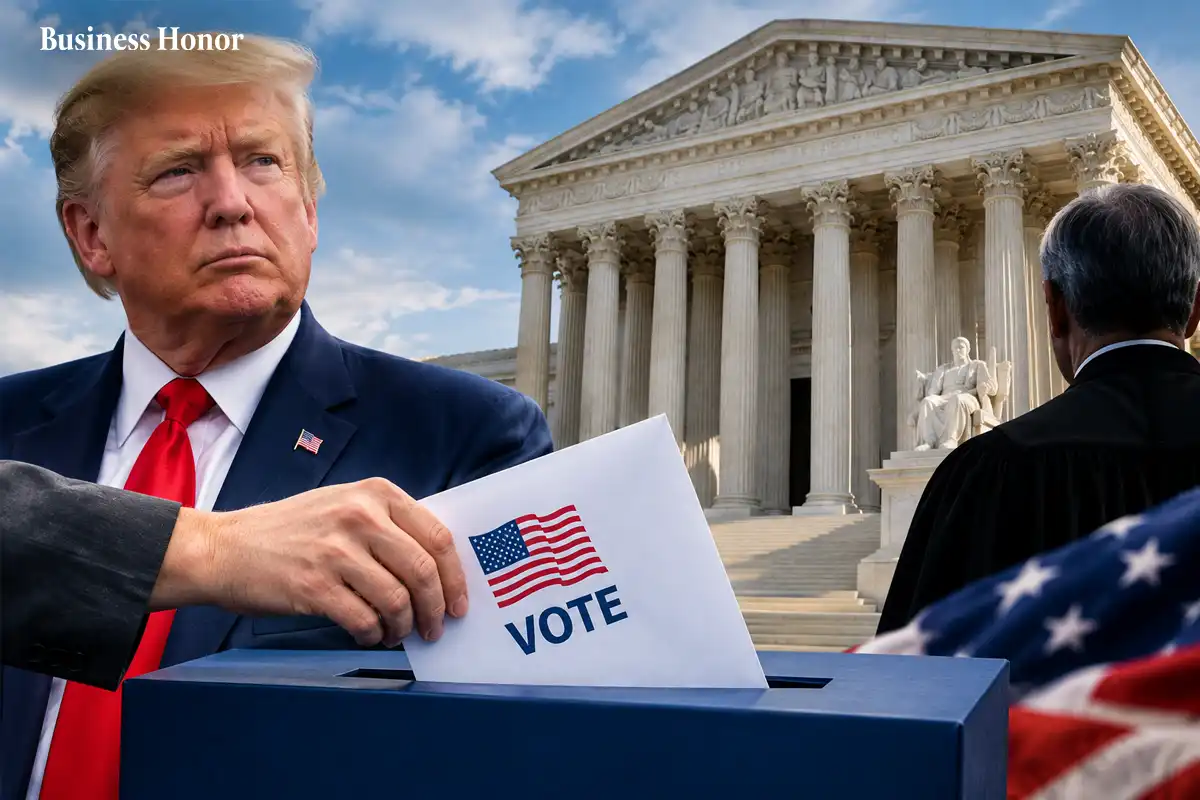
Mail-in voting will keep its current rules for the 2026 midterms after the Supreme Court blocked Trump’s plan to change how mail ballots are handled.
|
The Supreme Court has blocked President Donald Trump’s plan to change how mail-in voting works before the 2026 midterm elections. The decision stops a rule that would have given the U.S. Postal Service new power to hold back some mail ballots.
The court said the Trump administration was unlikely to win its legal challenge. The three-sentence order gave little detail. Justices Samuel Alito and Clarence Thomas dissented.
Was the plan about election security, or was it too risky this close to voting day?
The Trump administration said the new voting rules were needed to protect elections. US Officials argued that the changes would help make sure ballots went only to eligible voters and make possible fraud easier to spot.
Opponents had a very different view. They argued that the plan could cause serious problems for voters and give the USPS a role it was not ready to handle.
Timing became a key issue.
Justice Brett Kavanaugh said the proposal may fall within the USPS’s legal powers. But he also said state and local election officials did not have enough time to put the changes in place before the midterms.
Under the plan, states would have had to send voter lists to the USPS. Ballot envelopes would also need new tracking barcodes. The problem was that some states had already bought their envelopes and started sending ballots.
What happens when election rules change after voting preparations are already underway?
Election officials from both parties warned the Supreme Court about the risks. A USPS whistleblower raised another concern. If one envelope had a barcode problem, officials could have held the entire batch of ballots linked to it.
That could have created serious problems for voters.
The ruling is a setback for Trump, who has spent years attacking mail ballots and questioning mail voting. The administration has argued that stronger controls are needed, but widespread voting fraud has remained rare.
The fight may not be over.
Kavanaugh’s opinion leaves room for similar Trump voting changes in a future election if officials have more time to prepare.
Could the next mail-in voting fight begin after the 2026 midterms?
For now, the existing system stays in place. The Supreme Court has protected the current process for the 2026 elections, but the larger fight over voting rights and election security continues.
Business Honor asks how far should the government go to secure elections before those same rules make voting harder?
FAQs
What did the Supreme Court decide on mail-in voting?
The Supreme Court blocked Trump’s proposed changes to mail-in voting before the 2026 midterm elections.
Why did the court block the voting rules?
The court said the administration was unlikely to succeed in its legal challenge. Kavanaugh also pointed to the lack of time for states to implement the changes.
What would Trump’s mail ballot plan have changed?
The plan would have required states to provide voter lists to the USPS and use tracking barcodes on ballot envelopes.
Could the Trump voting plan return in the future?
The ruling does not clearly prevent similar changes in a future election with more time for implementation.
How does the ruling affect the 2026 elections?
The decision leaves the existing mail-in voting process in place for the 2026 midterm elections.











.webp)

.webp)





.webp)


Comments
0 Comments