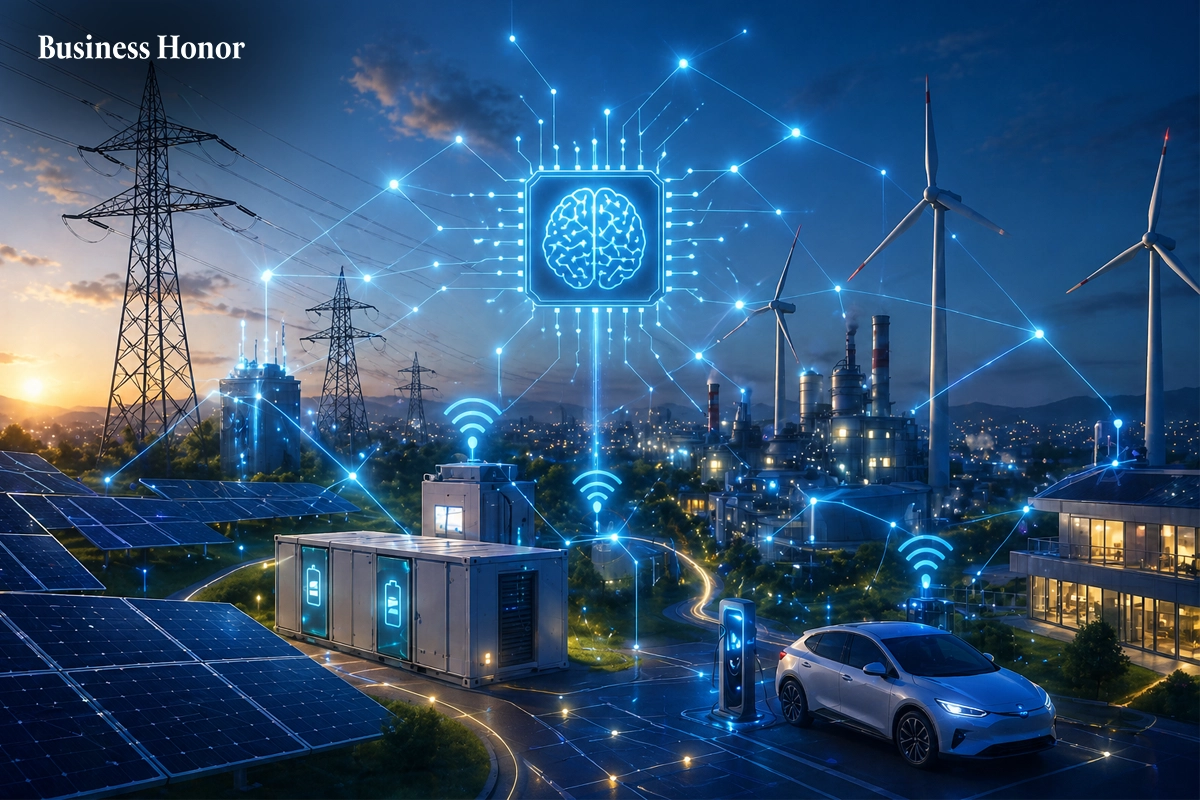
Edge AI enables M2M communication in smart grids, improving automation, fault detection, renewable integration, and real-time energy management efficiency systems.
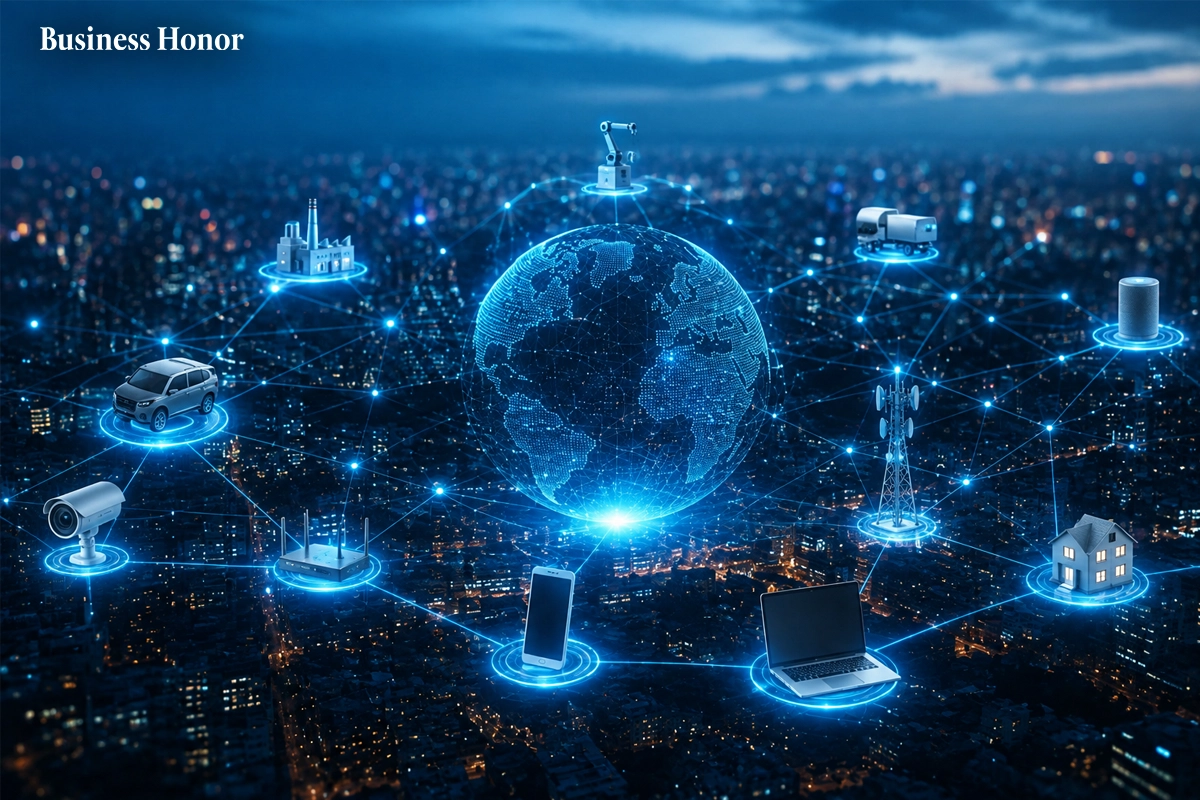
One of the key driving forces that have spurred the advent of the future smart grid is the Machine-to-Machine (M2M) communication concept. M2M communication allows electricity suppliers to utilize sensor technology, smart meters, and substations that communicate their data to each other instantly without the need for any manual assistance. The technology is referred to as machine-to-machine communication in smart grids 2026, and it will help in improving fault detection, reduce downtime, and guarantee autonomous operations within the grid. Real-time grid automation can be achieved by using M2M devices.
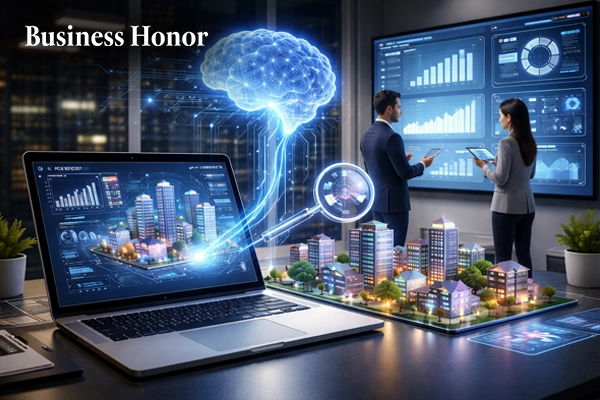
The adoption rate of M2M technology in smart grids is increasing because of the growth of electricity consumption, the introduction of renewable energy, and upgrades to old electricity infrastructure. The use of edge AI in energy management systems to optimize energy transfer and minimize losses will become common practice for many utilities. Another trend associated with smart grids will be smart meter deployment and distributed energy sources in order to facilitate decentralized electricity control. The use of smart grid predictive maintenance IoT solutions will be important as well.
With advancements in technology, there is an opportunity for utility edge computing in terms of incorporating renewable energy into the system, which can provide enhanced reliability to solar and wind energy systems. With low latency at the edge gateway level and AI-powered orchestration platforms, there is interoperability between different devices.
Business Honor opines that with M2M communications, the world is set to see the transformation of smart grids, which would revolutionize the energy systems of the future with the help of automation and intelligence.


































.webp)

.webp)



.webp)