
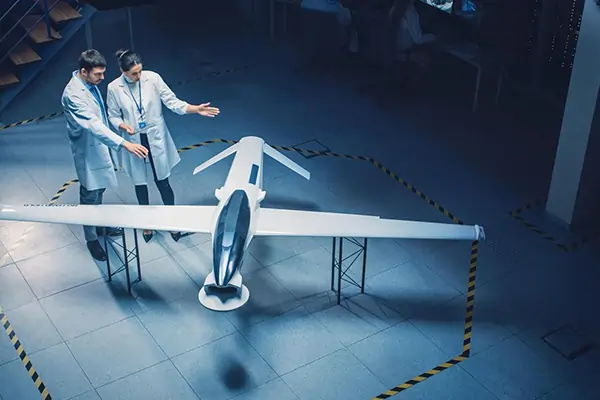
As the aviation sector keeps changing, 2023 is set to be an interesting year for aviation as well as aerospace technologies. Right from improvements in sustainability to incorporating AI and data-driven technology, trends unfolding this year are going to redefine how we live and air travel as well as how we operate in the air. Here, we discuss the main trends in aviation and aerospace for 2023, covering the technologies that are shaping change and innovation in both industries.
Sustainability Takes Flight
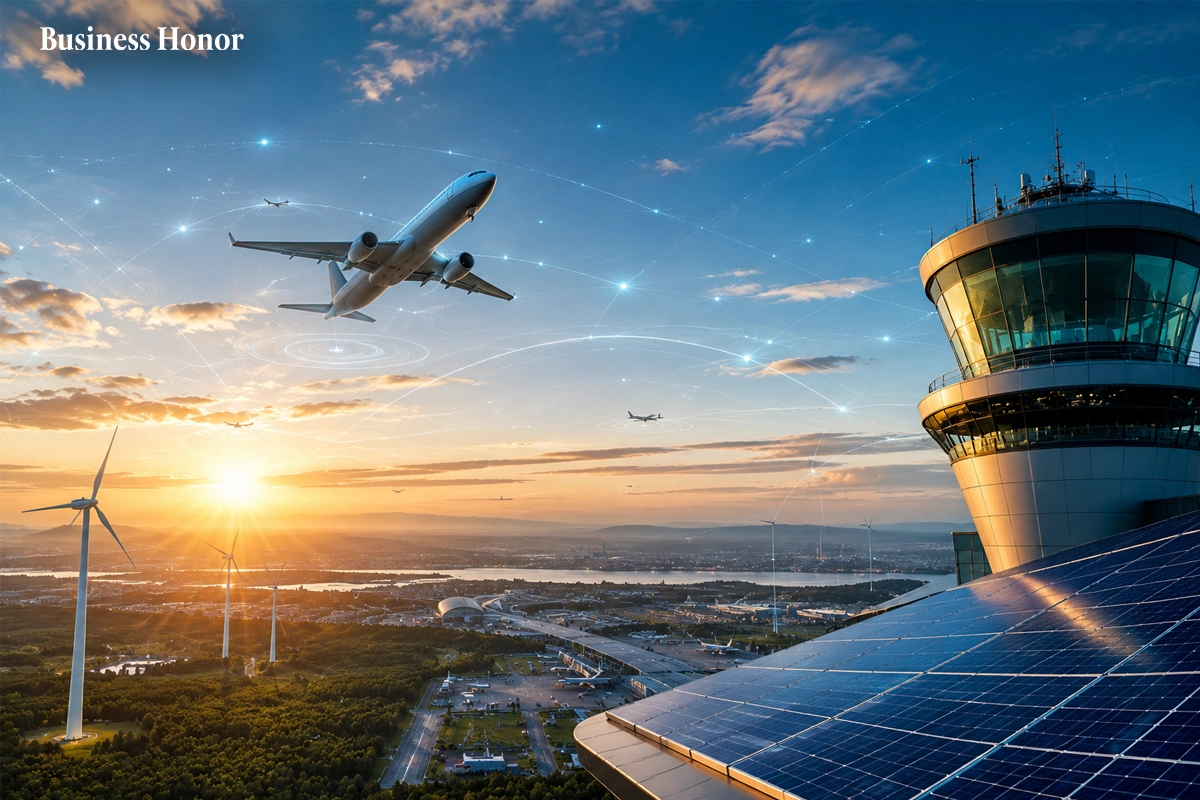
Sustainability is top of the agenda for the aviation business in 2023. With the universal drive to lower carbon emissions, emphasis on green aviation has reached an all-time high. Airlines and manufacturers are making great investments in fuel-efficient technologies and minimizing the environmental footprint of flying.
Sustainable Aviation Fuel (SAF) is emerging as a substitute for conventional jet fuel. SAF is a biofuel that lowers carbon emissions and can be blended in existing airplane engines with slight alterations. Several carriers are already collaborating with fuel providers to begin using SAF with the goal of making major cuts in carbon footprint. In addition, electric and hybrid-electric airplanes are on the horizon, particularly for short regional flights. Firms are creating airplanes with electric propulsion systems to minimize dependence on fossil fuels, making air travel greener.
AI and Automation in Aviation
Artificial intelligence (AI) and automation are transforming the aviation industry, especially in the domain of flight operations and maintenance. AI is utilized to enhance predictive maintenance, enabling airlines to detect likely issues ahead of time before they escalate into critical faults, minimizing delays and increasing safety.
Automation is also contributing to enhancing the passenger experience. From automated baggage handling and self-check-in kiosks to robotic passenger assistants at airports, automation is reducing human mistakes and making operations simpler. In addition, AI-driven tools are optimizing routes and improving fuel efficiency and flight times.
Advanced Air Mobility (AAM)
The urban air transport of the future is emerging with Advanced Air Mobility (AAM). AAM entails utilizing electric vertical takeoff and landing (eVTOL) aircraft for air taxi, cargo haulage, and emergency response within cities. With the potential to mitigate traffic and enable faster travel times, AAM is one of aviation's most intriguing developments in 2023. Several firms are competing to create and deploy eVTOLs, with prototype flights and testing already underway. The vehicles are quiet, electric, and efficient, the perfect fit for urban settings where pollution and noise are issues.
5G Connectivity in Aviation
In 2023, 5G technology is also causing a splash in the aviation sector, mostly in improving communication and connectivity during flight. With increased internet speeds, customers will be able to experience uninterrupted Wi-Fi connectivity onboard, while airlines will be able to enhance real-time communication with aircraft in flight.
5G also promises to increase the effectiveness of air traffic management systems. With improved and faster communication between airplanes and ground towers, 5G networks will improve safety and minimize air traffic congestion.
Cybersecurity in Aviation
With the aviation sector going more digital, cyber threats are on the rise. Cybersecurity in 2023 is a matter of utmost concern for airlines and aerospace companies alike. The sector is laying emphasis on data protection strategies and secure communication to make sure that sensitive data is not compromised. With the emergence of connected aircraft, with real-time data being sent between the aircraft and operations on the ground, cybersecurity is essential to safeguard passenger information as well as flight operations.
The Emergence of Biometric Technology
Biometrics is making air travel faster and more secure. In 2023, most airports have begun utilizing biometric screening systems to enable passengers to board planes via facial recognition, fingerprint scan, or iris scanning. The technology accelerates check-in and airport security by ensuring that only authorized people are allowed to access flights. Biometrics is also being applied to contactless travel, enhancing the passenger experience by cutting down wait times and increasing safety.
Conclusion
2023 is a turning point for the aviation and aerospace sectors. With airlines and aerospace players adopting new technologies and innovating in response to increasing demand for sustainable and efficient air travel, the future of aviation looks brighter than ever. From eco-friendly aircraft and AI-powered operations to drone surveillance systems and advanced air mobility, these are the trends that will revolutionize the way we fly and engage with the skies.
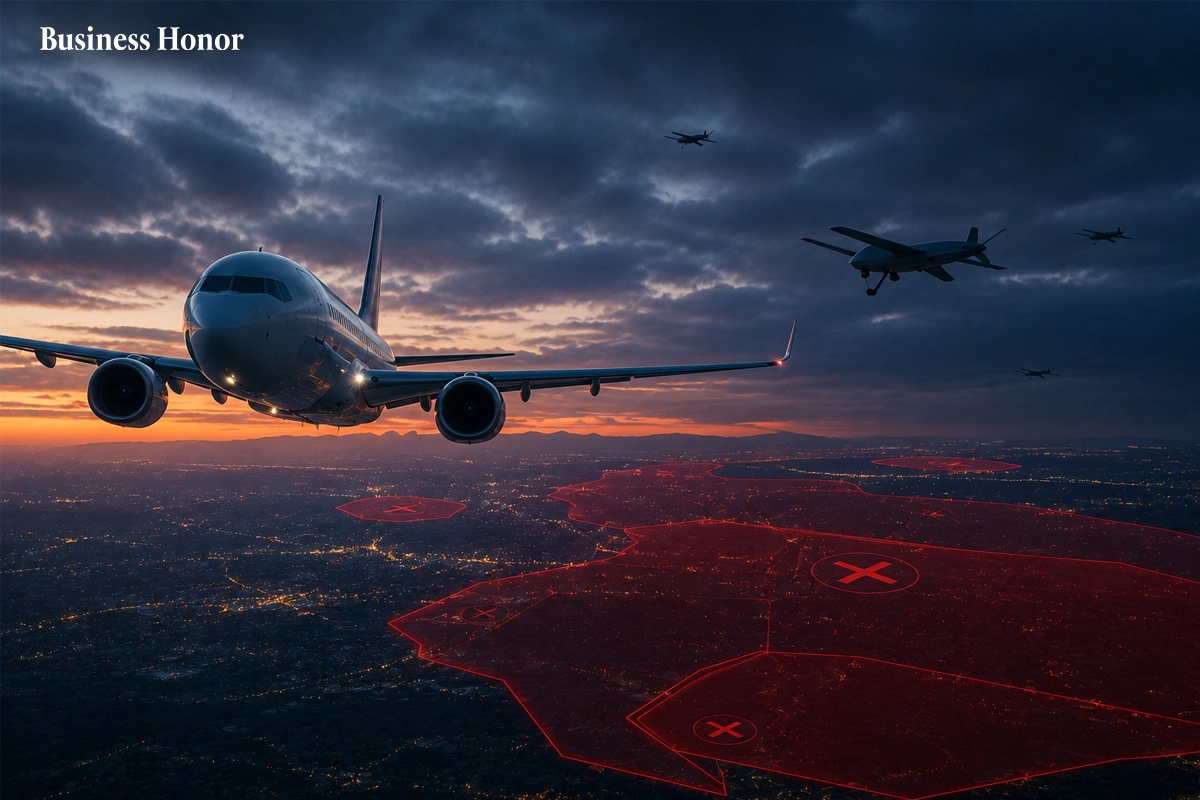
The integration of technologies such as aerospace is ensuring that we are able to safely deal with the growing number of drones, and innovations in biometrics and 5G connectivity will revolutionize the passenger experience. With these technologies, the aviation sector is on the verge of a future that is safer, more efficient, and more connected than ever.











.webp)

.webp)




.webp)

