
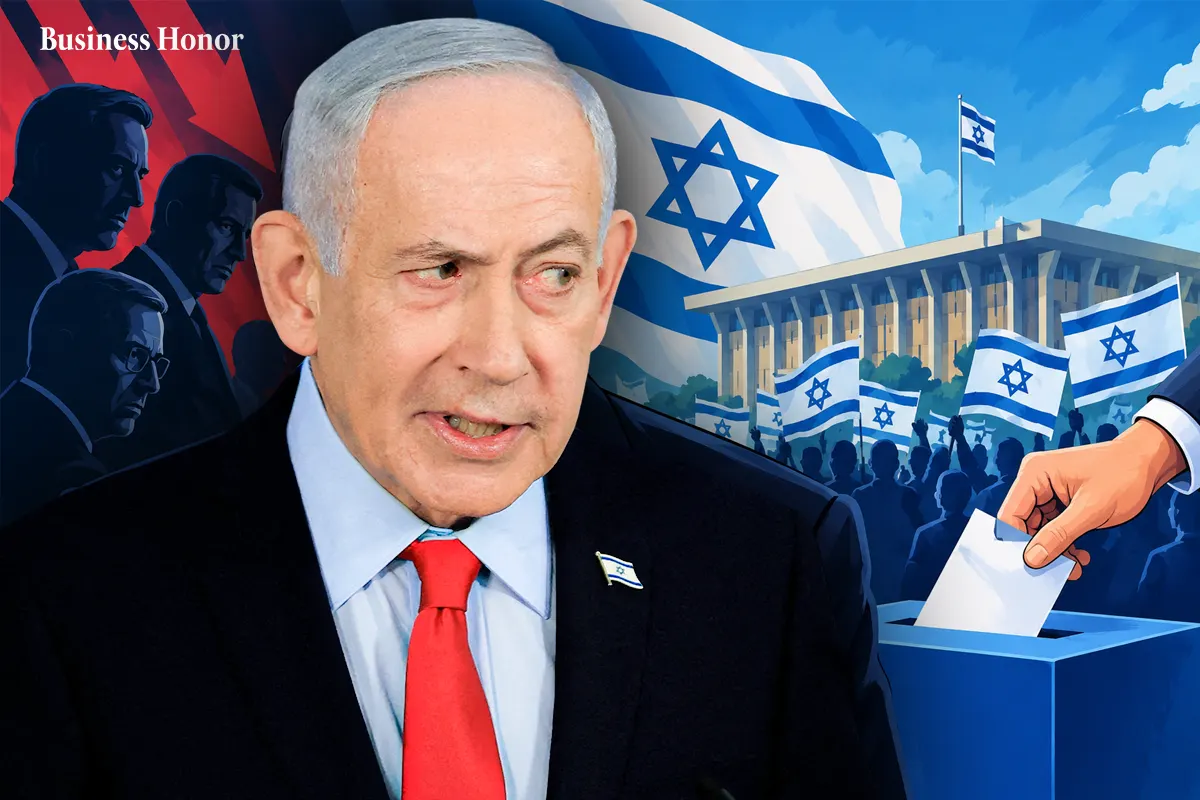
Israel election puts Prime Minister Benjamin Netanyahu’s future at stake as voters weigh security, political accountability and the direction of the next government.
|
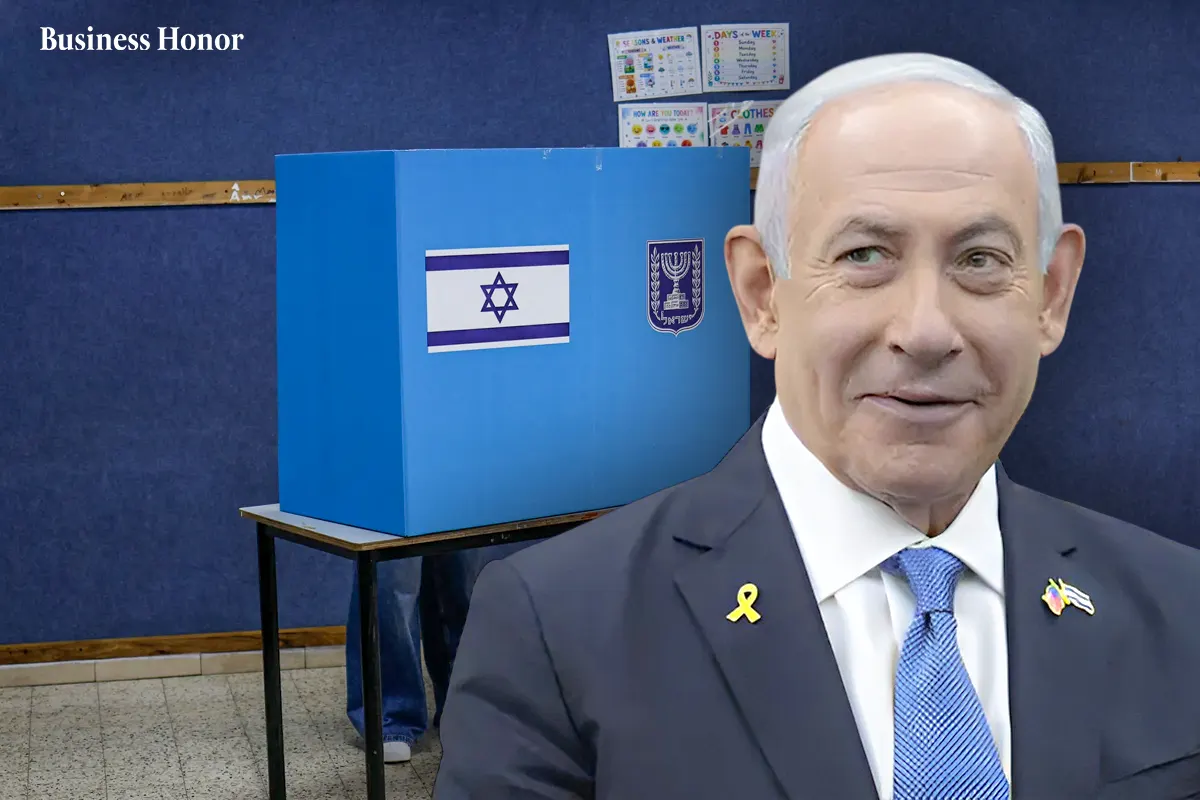
The Israel election opened on October 27, putting Prime Minister Benjamin Netanyahu’s political future under pressure as voters choose a new parliament following the Hamas-led attacks of October 7, 2023, and the wars that followed. The result could reshape Israel’s leadership, security policy and international relationships.
According to Reuters, Netanyahu faces a strong challenge from an opposition alliance led by former military chief Gadi Eisenkot. The election has become a test of public confidence in Netanyahu’s leadership, particularly over security failures, the prolonged conflicts and Israel’s growing diplomatic isolation.
Can Netanyahu survive another vote shaped by the consequences of October 7?
The prime minister is campaigning on his security record and ties with US President Donald Trump. His opponents, meanwhile, are seeking to turn public frustration into a change of government. Yet removing Netanyahu from office is not simply a matter of winning more votes. Israel’s proportional representation system makes coalition-building central to the outcome.
US President Donald Trump said, “US President Donald Trump has come with a friendship that has never existed before between an Israeli prime minister and an American president.”
His opponents argue that national security cannot be separated from accountability for the October 7 attacks and the government’s subsequent decisions. Eisenkot has challenged Netanyahu’s approach to security and accused him of putting political survival ahead of the military’s interests.
According to The Guardian, the statement sharpens the central political dispute: whether Netanyahu’s security credentials remain an advantage or have become a liability.
“We won’t allow the IDF to be turned into a pawn in Netanyahu’s survival campaign,” Gadi Eisenkot, Israeli opposition leader.
What if Netanyahu’s opponents win more seats but cannot unite?
That possibility exposes the limits of an election victory. Even if anti-Netanyahu parties perform strongly, disagreements over policy and potential coalition partners could prevent them from forming a government. The president will consult party leaders before assigning a candidate the task of assembling a governing coalition.
Security, military-service exemptions and the future of Gaza remain contentious issues.
Will voters prioritize security leadership or demand accountability for past decisions?
The answer could influence Israel’s domestic direction and its relations with regional and international partners.
Business Honors examines that the bigger question is whether a change in leadership would produce a change in policy. Netanyahu’s opponents may offer a different political direction, but coalition compromises could constrain any new government. The Israel election may decide who leads the country next, yet its deeper significance lies in whether voters can break the political deadlock without creating another period of instability.
FAQs
Why is the Israel election important?
The Israel election could determine whether Benjamin Netanyahu remains prime minister and reshape the country’s security and domestic policies.
Who is challenging Prime Minister Benjamin Netanyahu?
Gadi Eisenkot, a former military chief, leads a major opposition alliance challenging Netanyahu’s political bloc.
How many seats are needed for a majority in Israel’s parliament?
At least 61 of the Knesset’s 120 seats are needed to form a majority coalition.
When will the Israel election results be known?
Exit polls are expected after voting closes on October 27. Official results are scheduled for publication on November 4.
Could the Israel election lead to another election?
Yes. If political leaders cannot form a government with sufficient parliamentary support, another election could eventually be called.









































.webp)



.webp)



Comments
0 Comments