
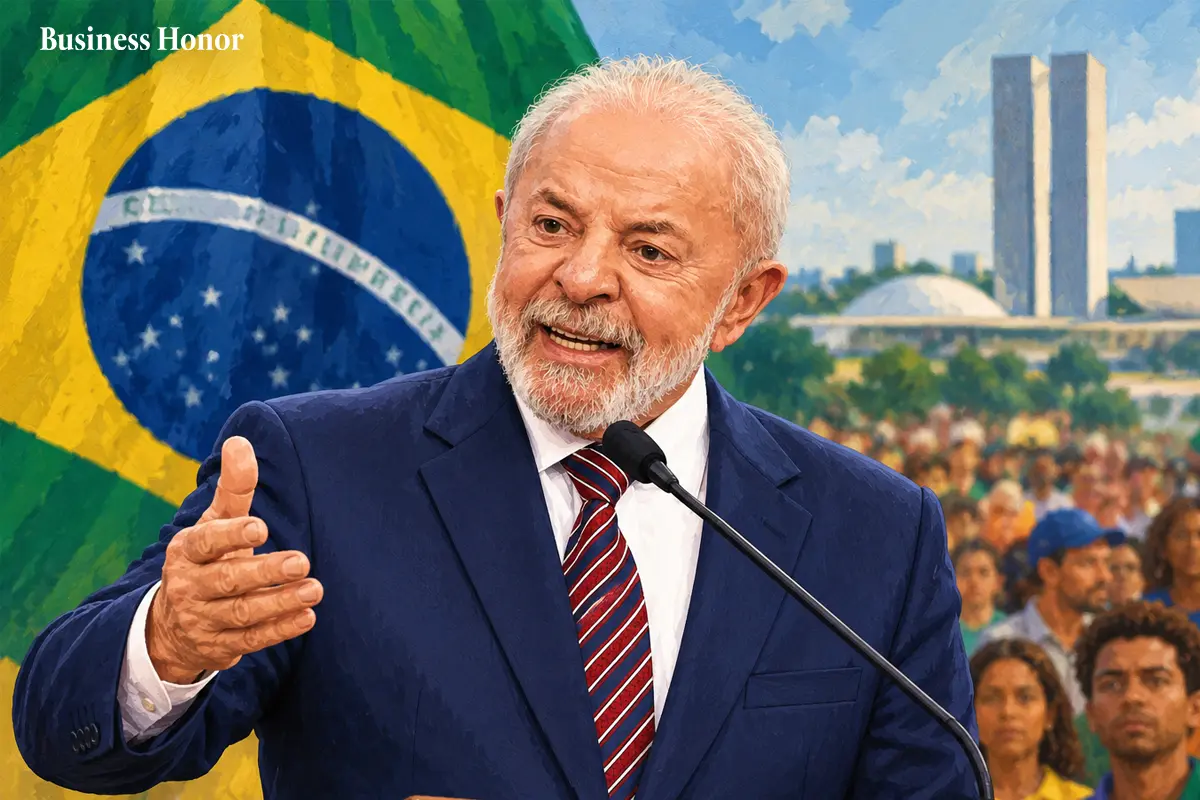
Lula wins a historic fourth presidential term in Brazil, defeating Flávio Bolsonaro. But can the left-wing leader overcome political divisions and economic pressures?
|
Lula has won a fourth presidential term in Brazil, defeating right-wing senator Flávio Bolsonaro in a closely contested runoff election on October 25. The victory marks a historic comeback for Luiz Inácio Lula da Silva, who trailed his rival in the first round of voting earlier this month.
According to The Guardian, Lula garnered 51.75% while Bolsonaro received 48.25%, based on 99% of ballots counted. With the outcome, Lula is the first Brazilian president to have won four presidential elections, strengthening the influence of the leftist Workers' Party in the biggest economy in Latin America.
But is this a victory for Lula’s policies or a rejection of his rival?
The election exposed deep divisions over economic management, social welfare, public security and Brazil’s political direction. Lula attracted support from lower-income communities and voters concerned about the return of the Bolsonaro political camp. However, the narrow margin shows that millions of Brazilians continue to favour the right.
In his victory speech, Lula declared, “Essa eleição foi uma derrota do negacionismo e da mentira,” meaning, “This election was a defeat for denialism and lies.”
He also pledged to govern for all Brazilians, signalling an attempt to move beyond the bitter campaign.
Can a president unite a country that remains almost evenly divided?
The challenge extends beyond political messaging. According to CNBC’s election report, Lula faces pressure to stabilize public debt while governing alongside a Congress where Bolsonaro’s Liberal Party holds substantial representation. Economic concerns could quickly overshadow the celebrations if households see little improvement in their daily lives.
Lula stated, “Não é possível que a gente não tenha consciência que o crime no mundo digital tem que ser tratado igual crime na vida real,” meaning, “We cannot ignore that crime in the digital world must be treated like crime in the real world.”
The result also carries regional implications. Lula’s win interrupts a broader rightward shift in Latin American politics and maintains Brazil’s distance from some policies promoted by US President Donald Trump. Yet translating that political distinction into economic gains will require careful decisions.
What happens if public expectations outpace economic results?
Business Honor observes that The Lula’s comeback gives the left-wing leader another opportunity to shape Brazil’s future. But electoral success does not guarantee political stability. His next term will depend on whether he can address economic pressures, work with a divided legislature and deliver results beyond campaign promises.
FAQs
Why did Lula win the 2026 Brazil presidential election?
Lula defeated Flávio Bolsonaro in the runoff after building support among voters who backed his social policies and opposed his rival’s political agenda.
How many presidential elections has Luiz Inácio Lula da Silva won?
Lula has won four presidential elections, making him the first Brazilian president to achieve this distinction.
What was Lula’s vote share in Brazil’s election?
Lula received approximately 51.75% of the vote, compared with 48.25% for Flávio Bolsonaro, according to reported results.
What challenges will Lula face during his next term?
Lula faces economic pressures, public debt concerns, political divisions and the challenge of working with a Congress containing strong conservative representation.
Why is Lula’s victory important for left-wing politics?
His victory keeps Brazil under left-wing leadership and interrupts a wider regional shift towards conservative political movements.







































.webp)



.webp)



Comments
0 Comments