
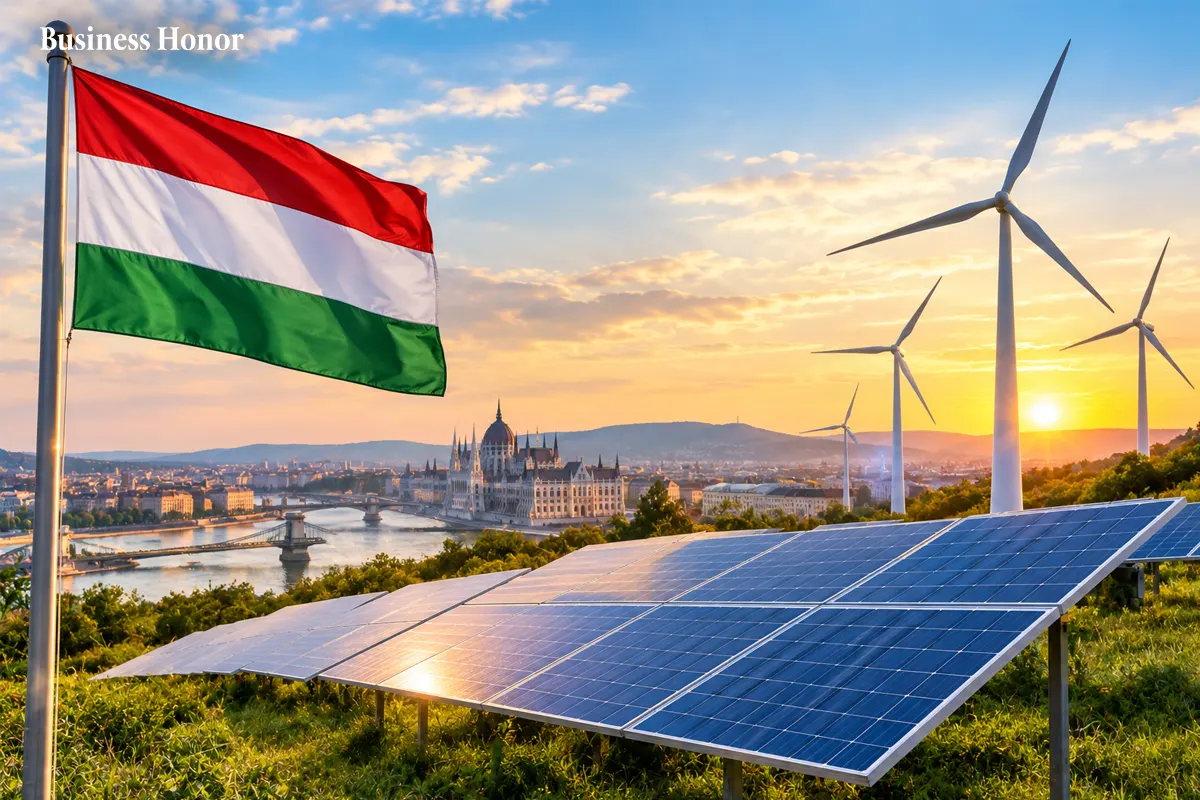
Hungary plans to expand wind power to reduce electricity costs, limit energy imports and strengthen its energy infrastructure after drought exposed vulnerabilities in its power system.
|
The country is working to expand renewable energy to reduce electricity costs for businesses and lower its dependence on imported energy. Hungarian Prime Minister Peter Magyar’s government is working to bring about a major change in energy policy, with the Hungary renewable energy plan focusing on increasing wind power capacity.
According to Reuters, Andras Totth, the State Secretary for Energy Affairs, stated on October 8 that Hungary aims to make energy cheaper for companies and reduce their vulnerability to geopolitical shocks. The country’s Hungary wind power capacity by 2030 target is part of a wider effort to improve energy security and economic competitiveness.
Hungary Targets 4 GW of Wind Power by 2030
The government launched a tender in August for 700 megawatts (MW) of wind power capacity. Hungary aims to reach a total wind power capacity of 4 gigawatts (GW) by 2030, representing a more than tenfold increase.
Hungary has already built around 9 GW of solar power capacity under policies introduced by former Prime Minister Viktor Orban. The government now recognises wind energy as another potential source of affordable electricity.
Hungary Seeks to Reduce Energy Import Dependence
The country relies on imports for more than 80% of its energy needs, including oil, natural gas and nuclear fuel. S&P Global highlighted this vulnerability when it affirmed Hungary’s BBB-minus credit rating with a negative outlook in May.
Magyar defeated Orban in April, ending the latter’s 16-year rule. The new leader is more aligned with the EU, and billions of euros in previously suspended EU funding have been released to Hungary. Some of the funding will support upgrades to the country’s energy infrastructure.
Drought Exposes Vulnerabilities in Hungary's Power System
Hungary’s energy vulnerabilities became clear in August, when drought and low Danube water levels nearly forced the Paks nuclear power plant to shut down.
Totth explained that Hungary had sometimes needed electricity imports to meet domestic demand. Despite the risks, extending the operating life of the Russian-built nuclear power plant remains a priority because it is considered the country’s most cost-effective conventional energy project.
Why This Matters
Hungary’s renewable energy expansion reflects the pressure on European countries to balance affordable electricity, energy security and climate goals. Greater use of wind and solar power could reduce dependence on imported energy, while the drought-related threat to the Paks plant highlights the power system’s vulnerability to weather conditions.
Business Honor observes that Hungary's renewable energy plans could strengthen its energy security, but achieving lower prices will depend on infrastructure investment and the country's ability to diversify its energy supply.
FAQs
Why is Hungary expanding renewable energy?
Hungary aims to lower electricity prices for businesses, reduce energy imports and limit its exposure to geopolitical disruptions.
What is Hungary's wind power target for 2030?
The country aims to increase wind power capacity to 4 GW by 2030, with capacity potentially exceeding 6 GW by 2040.
How much solar power capacity does Hungary have?
Hungary has developed nearly 9 GW of solar power capacity.
Why was Hungary's Paks nuclear plant at risk of shutting down?
Severe drought and falling water levels in the Danube River threatened the plant's cooling water supply in August.
How will EU funding support Hungary's energy sector?
Part of the released EU funding is expected to support upgrades to the country's energy infrastructure.












































.webp)



.webp)



Comments
0 Comments