
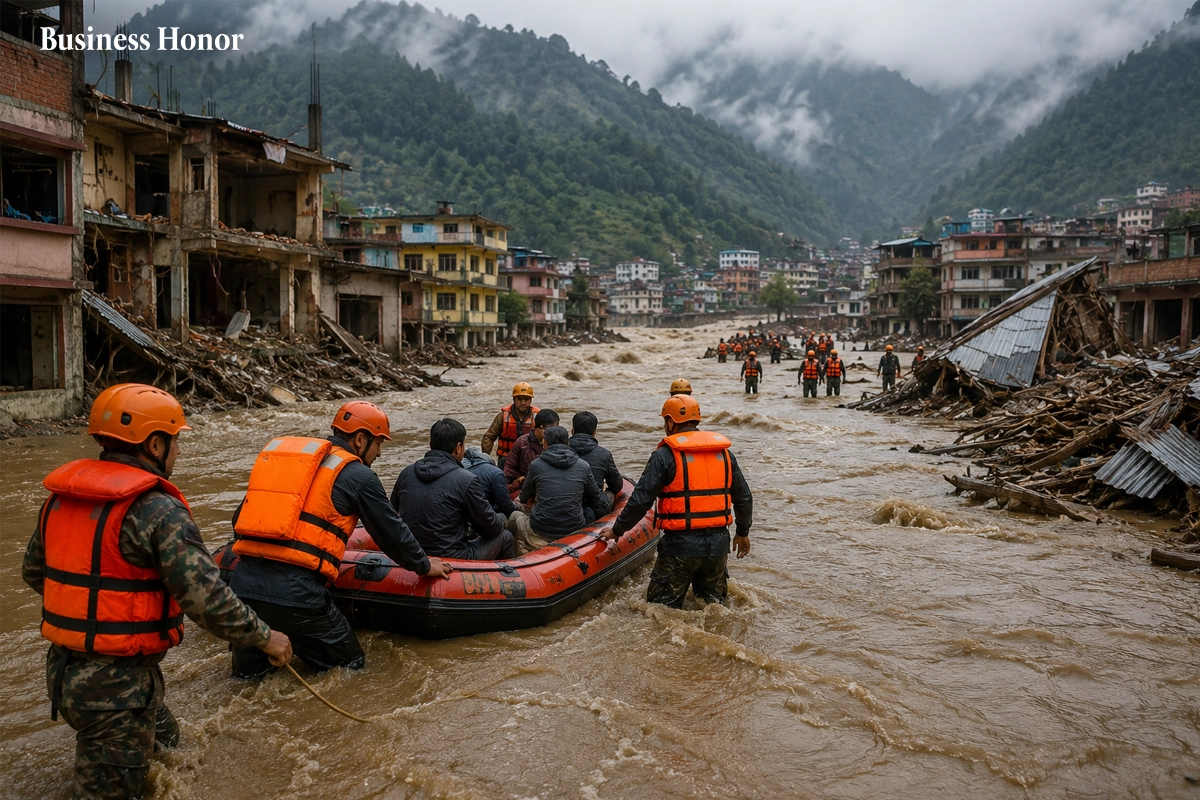
Floods have killed hundreds and left thousands missing, while Nepal seeks specialist help and billions for rebuilding damaged roads, tunnels and infrastructure.
|
Nepal Floods have moved from an immediate rescue emergency to a much larger recovery crisis, with the Nepal government seeking international technical support and estimating that rebuilding could cost $4 billion to $5 billion. The disaster followed a glacier collapse on August 26 that sent water, rock, mud and debris through mountain river systems.
Nepal’s death toll has reached at least 626, while thousands remain missing across the affected region. Rescue work has been repeatedly disrupted by bad weather, damaged roads and dangerous terrain.
But can rescue teams reach the missing before the window closes?
Nepal is now asking for specialized foreign assistance rather than simply more personnel. The government wants technical expertise for tunnel rescues, DNA identification and the recovery and storage of bodies. It has also asked India and China for Bailey bridges that can be installed quickly where existing crossings have been destroyed.
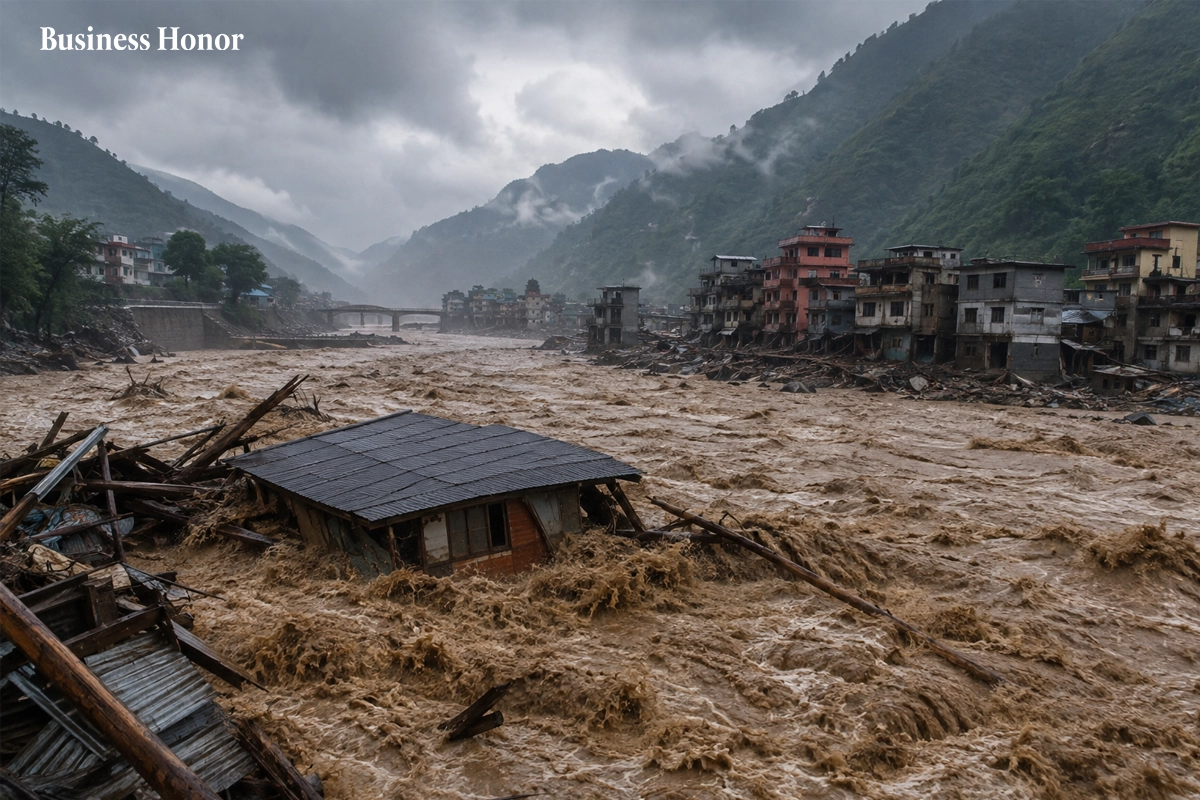
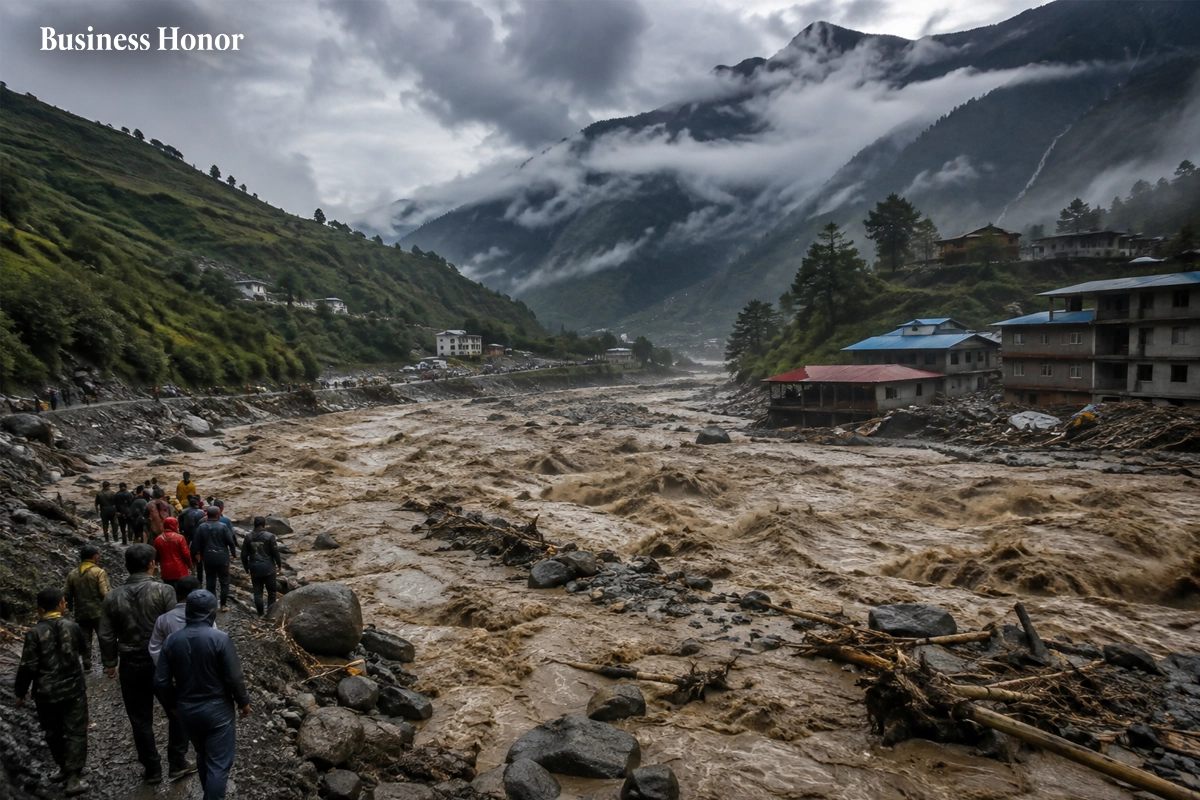
The scale of the damage is becoming clearer. Entire sections of transport infrastructure have been destroyed, leaving some communities cut off and making the Nepal flood rescue operation harder by the hour.
A further concern is water trapped upstream. Authorities are monitoring lakes in the affected mountain region because sudden releases could create another dangerous surge. Water levels have begun falling, but officials say the risk will remain until the lakes drain safely.
Is Nepal dealing with one disaster or several threats unfolding together?
The answer is increasingly difficult to ignore. The country is simultaneously searching for missing people, treating survivors, identifying bodies, restoring communications and assessing destroyed infrastructure.
The disaster has also crossed borders. Seven deaths have been reported in Tibet, while hundreds of foreign nationals are among those missing. More than 3,700 people have been rescued in Nepal, and the Red Cross estimates about 93,000 people have been affected.
Can a country already fighting a massive rescue operation afford to rebuild at this scale?
That is the harder question now facing Kathmandu. Business Honor examines that The Nepal flood risk is not only about another surge of water. It is also about whether damaged infrastructure, remote communities and emergency systems can withstand the next major Himalayan disaster.
For Nepal, the immediate priority remains finding survivors and the missing. But the estimated $4-5 billion recovery bill shows that the consequences of the floods will extend far beyond the rescue phase.











.webp)

.webp)




.webp)


Comments
0 Comments