
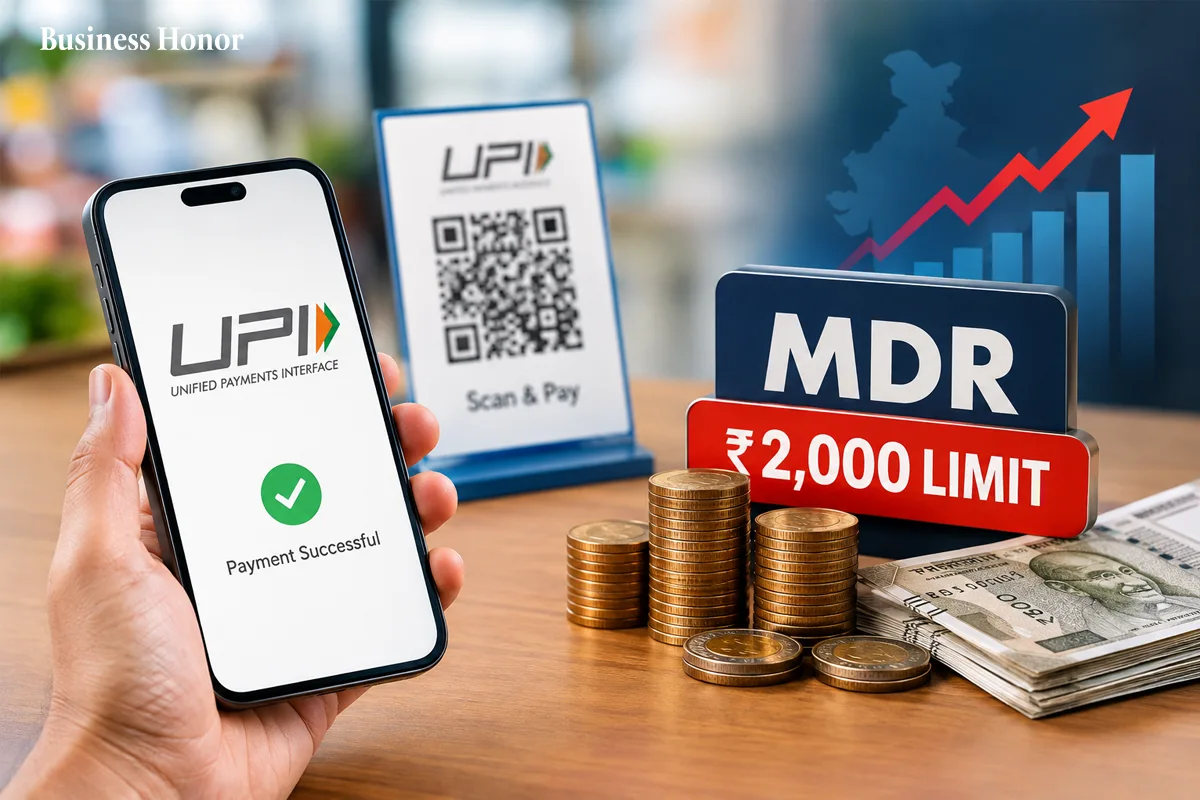
MDR UPI charges above ₹2,000 are triggering a fresh debate over merchant costs, US pressure, PhonePe and the future of India's digital payment model.
|
India's new MDR UPI charges on selected merchant payments above ₹2,000 have opened a sharp debate over who really benefits from the policy. Effective October 15, the framework introduces a 0.4% MDR Merchant Discount Rate on qualifying person-to-merchant transactions, capped at ₹300 for payments of ₹75,000 and above.
The government says consumers will not pay the charge directly, while person-to-person UPI payments remain free. It also says around 96% of merchant transactions will remain unaffected. So, why has the ₹2,000 UPI MDR limit become so contentious?
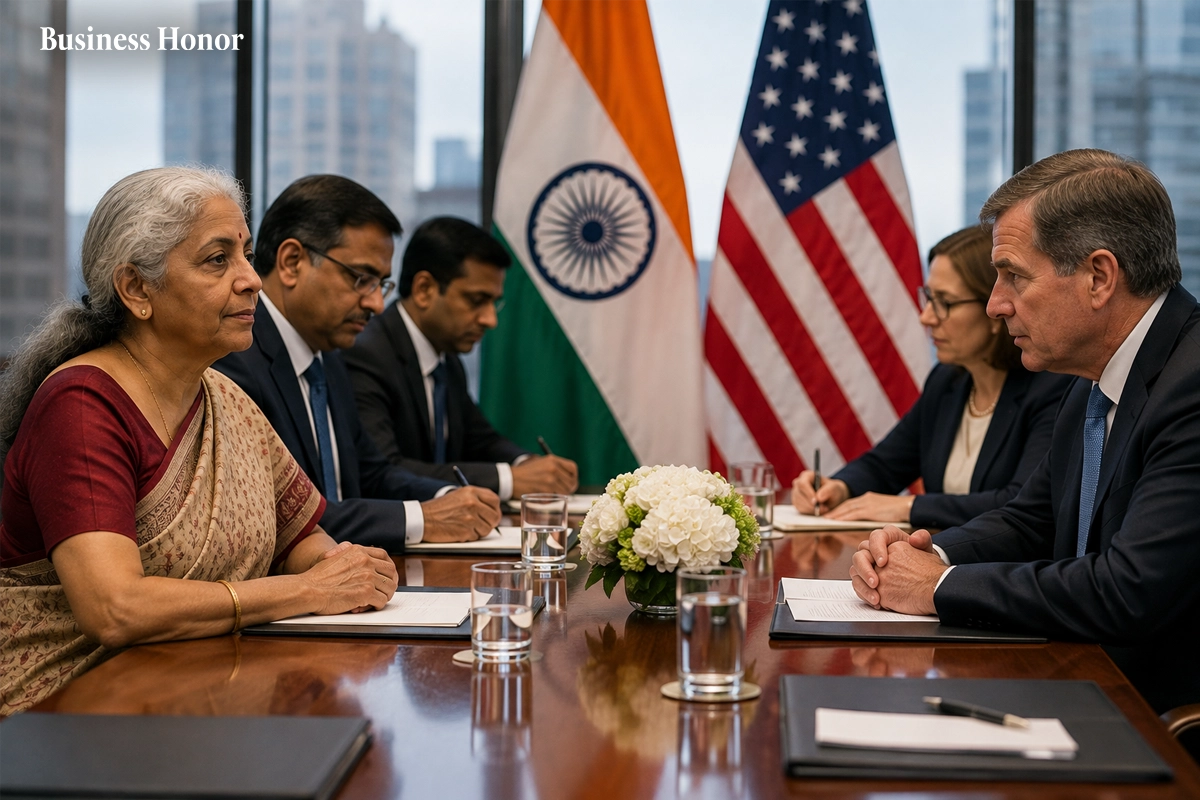
GTRI Founder Ajay Srivastava argues that the issue is bigger than recovering payment-system costs. He has claimed that the policy could reflect US pressure over India's UPI and RuPay ecosystem, pointing to concerns raised in the 2026 USTR report about the competitive position of US payment networks.
Is this really about revenue, or about who controls digital payments?
Srivastava has also argued that MDR could push some small merchants and price-sensitive customers toward cash. His criticism goes further, suggesting that dominant foreign-owned payment platforms could benefit from a share of the new MDR revenue. PhonePe and Google Pay together account for more than 80% of UPI transactions, according to government-linked reporting.
Yet the Finance Ministry rejects the allegation that external pressure drove the decision. It says the new framework is designed around the domestic payment ecosystem and maintains policy preference for RuPay credit cards on UPI.
Could the ₹2,000 threshold become the start of a broader pricing debate?
The immediate impact is limited by exemptions and caps. But the policy changes the economics of India's largest digital payment platform. The government says MDR is neither a tax nor a fee collected by the state; it is distributed among participating banks and payment providers.
Who ultimately absorbs the cost if merchant margins tighten?
That question may matter more than the 0.4% figure itself. India is trying to keep UPI accessible while creating a sustainable payment ecosystem. The controversy now is whether those goals can coexist without shifting costs toward merchants or changing how foreign and domestic payment companies benefit from UPI. Business Honor asks can UPI remain widely accessible while building a financially sustainable payment ecosystem?
FAQs
What are MDR UPI charges?
MDR UPI charges are merchant-side fees applied to specified UPI transactions under the new framework.
What is the ₹2,000 UPI MDR limit?
Merchant UPI payments up to ₹2,000 remain free under the new framework, while specified payments above that threshold can attract MDR.
What is the new UPI MDR rate?
A 0.4% MDR applies to specified merchant transactions above ₹2,000, subject to applicable caps and categories.
Is India imposing UPI MDR charges on merchants?
Yes. Specified person-to-merchant transactions above ₹2,000 will attract MDR from October 15, while consumers are not directly charged.
Why is the new UPI MDR policy controversial?
Critics cite merchant costs and alleged US pressure, while the government says the framework supports the sustainability of India's payment ecosystem and rejects claims of external influence.












.webp)

.webp)




.webp)


Comments
0 Comments