
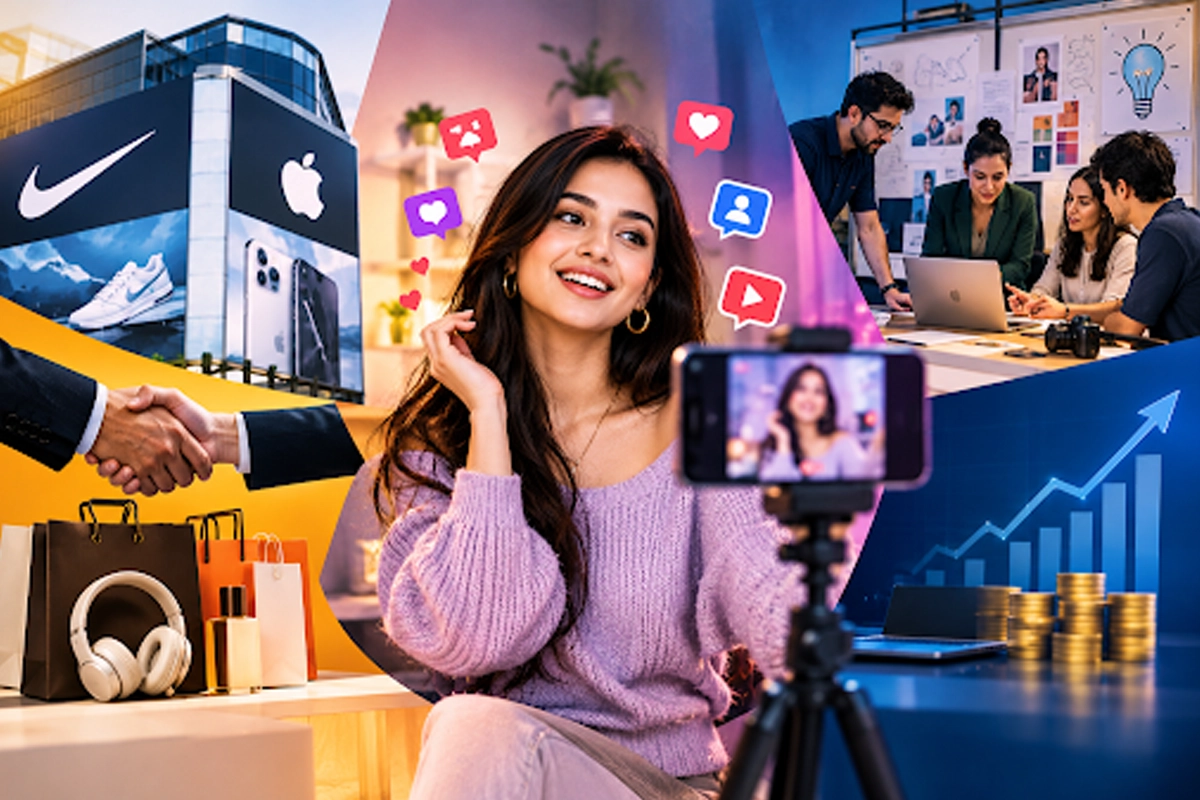
The landscape of Influencer Marketing in 2026 reveals how personal reputation has turned into a corporate enterprise. A creator can start in a home studio, turn a smartphone into a media platform, and draw millions of views without traditional broadcast equipment. That shift has changed how companies spend money. Brands no longer rely only on traditional celebrity spots. Instead, they pay independent creators to reach tight-knit online groups that standard media miss.
The creator appears as the public face of every campaign. Yet behind every video post sits a busy operational network made of corporate managers, talent agents, production crews, and legal advisers. That raises an important question: Who actually controls the influencer? The answer depends on where the money, data, and decisions sit.
The Shift in Ad Budgets Toward Digital Talent
Marketing through online personalities is not just about sending free product boxes or paying for single photo posts. Today, companies run structured campaigns across video apps like YouTube and TikTok, podcasts, private newsletters, and live broadcasts. Some deals cover quick product mentions, while others span multi-month product rollouts and exclusive store lines.
The commercial appeal is simple. Creators bring an existing relationship with their followers. Standard advertisements interrupt what people are trying to watch. A skilled creator places a product directly inside content that viewers actively choose to view.
A beauty reviewer demonstrates an application on camera. A fitness instructor uses equipment during a workout. A tech reviewer breaks down a complex device in plain terms. A travel creator turns a weekend hotel stay into a personal recommendation. In every case, the brand buys more than ad space. It buys an audience, a distinct voice, and immediate personal trust.
Are companies buying real influence, or are they simply renting access to someone else's audience?
That distinction matters as campaigns demand larger budgets and higher financial stakes.
The Creator as an Independent Commercial Enterprise
Calling this work a simple hobby ignores the money moving through the industry. Successful creators operate like small corporations. They hire business managers, video editors, accountants, lawyers, and brand strategists to run their daily work.
Many creators expand well beyond sponsorships:
-
Building independent product lines and merchandise labels
-
Earning ad-revenue shares from social channels
-
Offering paid memberships and exclusive community perks
-
Monetizing direct affiliate links and live shopping events
This expansion complicates the question of control. A creator owns their personal name, but an agency negotiates the contract terms. A management team filters incoming deals. A platform controls who sees the video, and a corporate sponsor dictates the campaign requirements.
Where does the audience fit into this structure?
A creator appears to own the relationship with followers, but platform code controls that connection. One update to a recommendation engine can cut viewer reach overnight. That makes creator influence powerful, yet dependent on outside systems.
The Role of Agencies and Talent Managers
Influencer agencies form the commercial bridge between corporate buyers and creative talent. For brands, agencies filter talent rosters, negotiate rates, track campaign statistics, and handle contract terms. For creators, managers handle business communications so talent can focus on filming and editing.
When goals align, these partnerships work well. However, managers also direct which deals a creator accepts and how their public image develops over time.
A creator who signs only luxury brand deals may struggle to work with everyday consumer products later. A tech reviewer known for honest opinions risks losing credibility if paid promotions dominate the channel.
What happens when a lucrative commercial deal conflicts with a creator's natural style?
That balance remains a constant struggle across the creator economy. Corporate buyers want clear messaging and reliable returns. Creators need creative room to stay believable to their viewers.
Moving Beyond Follower Counts to Real Results
Evaluating influencer advertising used to mean counting follower numbers. That simple metric no longer satisfies corporate marketing teams.
Companies now measure whether campaigns generate real sales, web traffic, app downloads, or long-term customer leads. A creator with fifty thousand dedicated viewers often delivers better sales figures than an account with millions of casual followers.
This focus forces companies to examine campaign metrics carefully:
-
Active engagement rates over total follower counts
-
Specific audience location and age demographics
-
Original production quality and clear messaging
-
Direct conversion figures and purchase data
The result is a more demanding commercial environment. Viewership numbers are no longer enough on their own. Corporate sponsors look directly at what viewers do after the video ends.
The Growth of Long-Term Brand Relationships
Long-Term Brands Collaborations
While one-time promotions are quite common still, companies tend to develop long-term relationships with influencers. One sponsored post may seem like an advertisement, while long-term collaboration is much less intrusive since the audience gets used to seeing the creator with the promoted product gradually.
Multi-month sponsorships for influencers allow brands to experiment with different marketing messages. On the other hand, long-term collaborations mean stable earnings each month instead of unpredictable ad revenues for creators.
However, working exclusively for advertisers poses evident dangers. If there are too many sponsored posts, a feed becomes more like a catalogue of the products the creator is advertising. Additionally, strict disclosure policies enforced by regulatory authorities like Federal Trade Commission (FTC) in the USA and Advertising Standards Council of India (ASCI) in India require transparent paid partnership labels for every single promotional post.
Can the influencer be trusted when every recommendation is made for money?
Platform Algorithms and the Infrastructure of Fame
Social networks hold a major piece of power in this business model.
Creators spend years building their careers on networks like Instagram, but they do not own the distribution networks. Computer algorithms dictate which posts reach user feeds. Internal company policies decide which videos earn ad money. Simple changes to recommendation systems alter viewer counts and monthly revenue without warning.
This reality creates a split power structure:
-
The Creator brings personality and original ideas.
-
The Brand provides the marketing capital.
-
The Agency structures the commercial deal.
-
The Platform controls the distribution network.
-
The Audience holds the ultimate power of attention.
No single player holds complete authority over the system.
The Business Reality Behind Online Fame
Managing influencer marketing trends is not a small side project for corporate marketing departments. Budgets continue to expand because companies view creators as a dual solution: a way to produce content and a direct route to specific customer groups.
Higher spending brings tougher expectations. Corporate leaders expect clear performance reports. Talent agencies must prove their value in contract negotiations. Creators need sharper business skills to manage their teams. Meanwhile, digital marketing platforms continue to control the underlying code.
Future growth will depend less on raw popularity and more on asset ownership.
Who owns the final video footage? Who keeps the customer data generated by a campaign? Who holds the rights to reuse a creator's face in paid social ads? These contract details often matter as much as the initial sponsorship fee.
Social fame is rarely a solo effort. It relies on a broader commercial ecosystem where brands supply capital, agencies provide structure, platforms control access, and audiences offer their time. Successful creators understand that accepting money builds a business, but losing audience trust ruins it.
Business Honor examines The biggest shift in modern advertising is not just that corporate budgets are growing. It is that personal influence has become a valuable asset that brands, agencies, and platforms all want to direct. The creator remains the face of the brand, but the real business happens behind the camera where money, data, ownership, and trust meet.











.webp)

.webp)


.webp)


Comments
0 Comments