
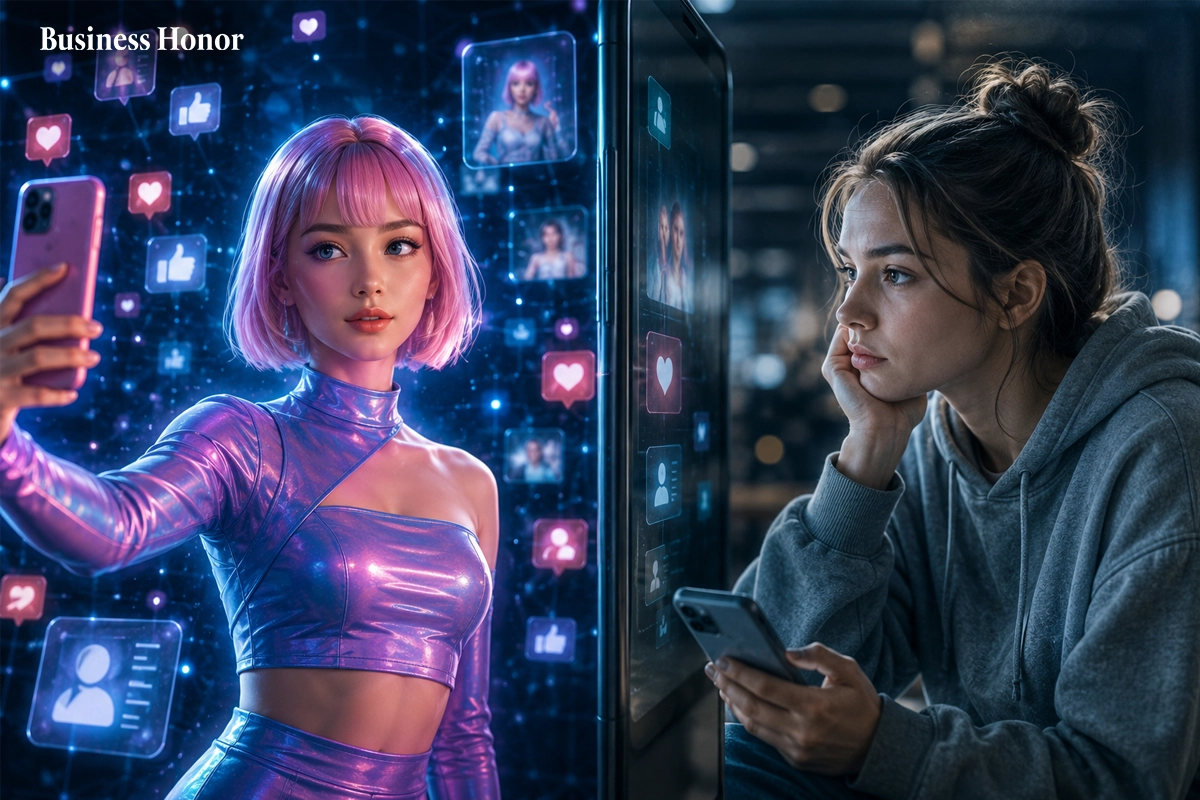
AI influencers are flooding social media with flawless content and brand deals. Their rise is forcing brands and audiences to rethink authenticity, trust and human creators.
|
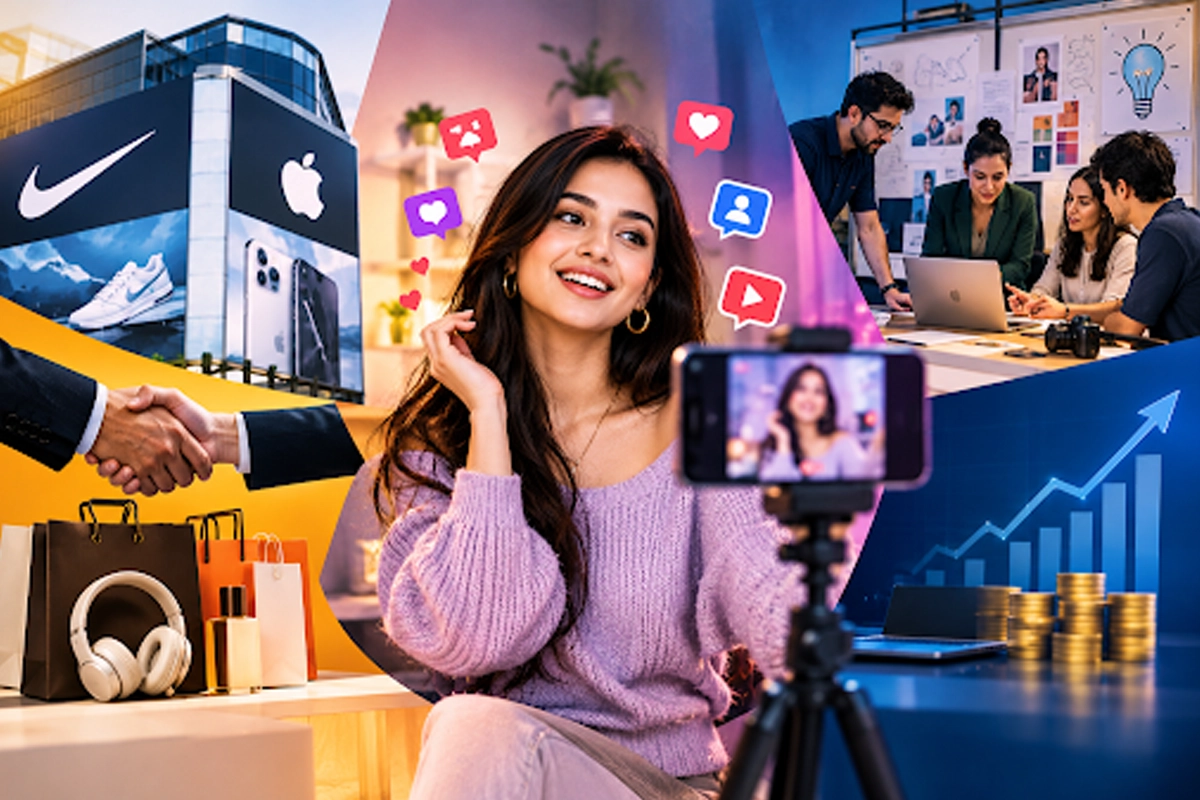
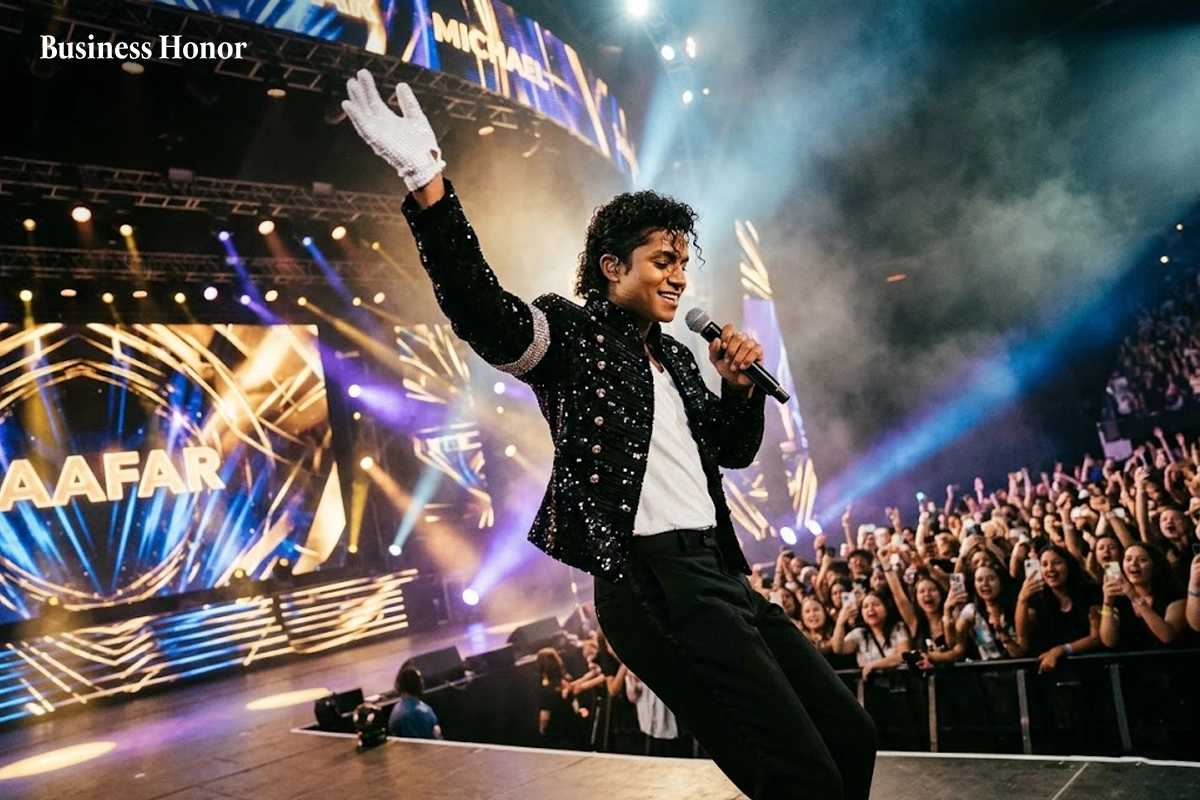
AI Influencers are moving from digital novelty to serious marketing power, putting virtual creators directly in competition with human stars. Fashion models, musicians and lifestyle personalities can now be built entirely through software, giving brands a new way to reach global audiences.
The attraction is obvious. AI influencers on social media do not need travel, rest days or complicated production schedules. Their appearance, voice, language and content can be controlled and changed almost instantly.
For brands, that means speed and consistency. For human creators, it could mean tougher competition.
Can a digital creation ever replace the trust, emotion and human connection of the real thing?
Virtual influencers already attract audiences through carefully built personalities, stories and visual identities. They may not exist physically, but their digital presence can feel remarkably real. Followers interact with them, share their posts and sometimes form genuine emotional connections. The line between entertainment and reality is becoming harder to see.
Unlike human creators, digital avatars can be designed without flaws. Every feature can be refined, every image perfected and every campaign carefully controlled. The result may push beauty standards even further away from reality.
Human influencers face another disadvantage. They need time to create content, manage personal lives and deal with mistakes. AI personalities can produce content continuously, giving brands an always-on digital option.
But there is one thing technology still cannot manufacture: real human experience, emotion and the stories shaped by life itself.
A real creator can share failure, emotion, vulnerability and personal stories. Those moments create trust because they are lived, not programmed.
The rise of AI Influencers market does not mean human creators are disappearing. Instead, it is forcing social media into a new battle between synthetic perfection and human authenticity.
Business Honor sees the biggest issue as transparency. Audiences should know when they are following an AI-created personality, especially when money, advertising and influence are involved. The technology can create the face. It can create the voice. However, can it create trust?
- sistent branding, creative control and potentially lower production demands.







.webp)



.webp)

.webp)



.webp)


Comments
0 Comments