
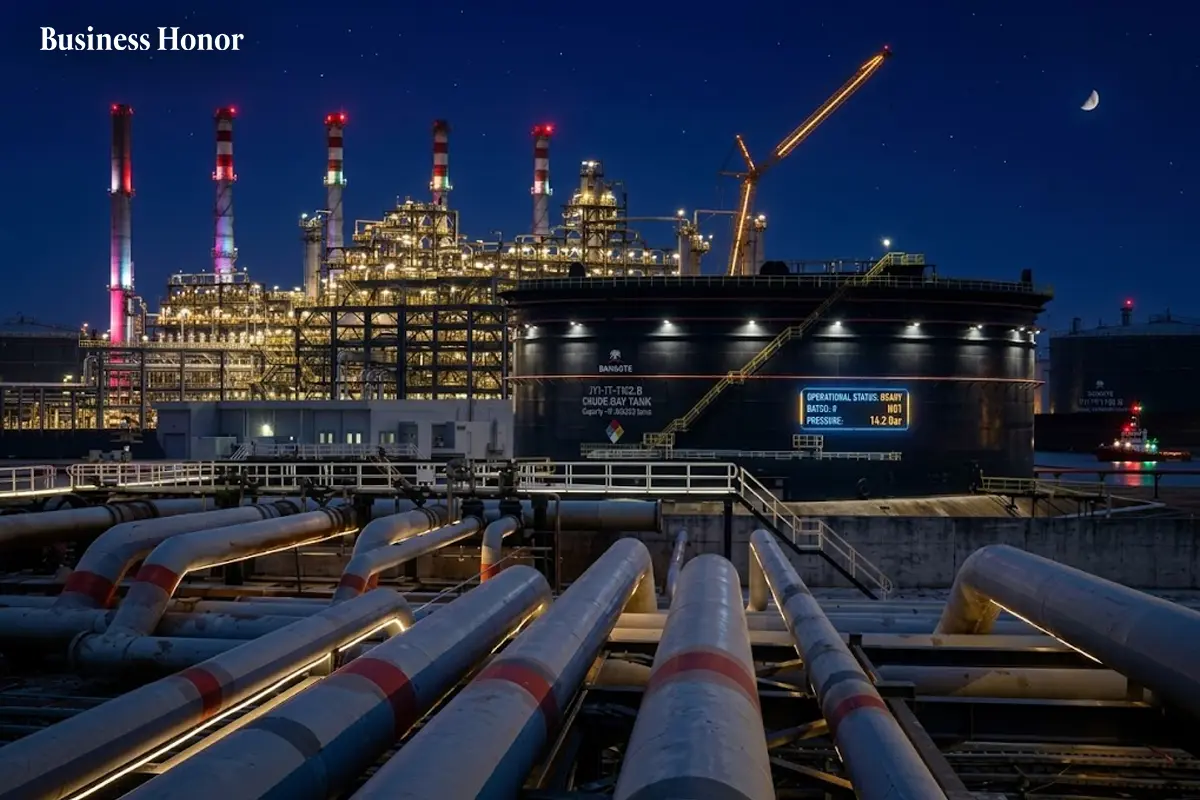
Dangote and Kenya are starting work on a $16 billion refinery in Lamu, with the project aimed at reducing fuel imports and meeting East Africa’s growing energy demand.
|
Africa's richest man, Aliko Dangote, and Kenya's President, William Ruto, are scheduled to lay the foundation stone for a $16 billion East Africa refinery in Kenya. It will mark the beginning of a major energy project in Lamu.
As Reuters reported, Dangote intends to replicate the success of his 700,000-barrel-per-day refinery in Nigeria. The project in Kenya is intended to reduce the region's dependence on imported refined fuel and lower energy costs.
"When you look at East Africa, not only East Africa, most of the 54 countries in Africa, they import petroleum products," Dangote told reporters in Nairobi.
According to him, the goal is to make the region self-sufficient in petroleum products. Moreover, he has offered East African governments a combined 30% stake in the refinery.
Demand and Crude Supply Remain Key Issues
Estimated regional consumption of petroleum products is expected to be between 20 million and 30 million metric tonnes per year, according to David Ndii, the chief economic adviser to President Ruto.
Meeting this demand would require more than 1 million barrels per day of refining capacity, according to an African financier who has invested in refineries on the continent. This is why the planned East Africa refinery in Kenya could play an important role in the region's future fuel supply.
However, there are also concerns about the availability of local crude oil and the infrastructure needed to build and operate such a refinery.
Lamu Project Faces Environmental Concerns
The project also faces opposition from environmental activists and conservationists over concerns about its potential impact on Lamu Old Town, a UNESCO World Heritage Site, as well as the surrounding marine ecosystems.
The High Court of Kenya has ordered that some parts of the project site be preserved while it hears a case filed by local residents. The lawsuit could affect the construction phase of the project.
The refinery is also expected to support the development of other industries, including petrochemicals and bitumen, and generate more than 50,000 jobs, according to government officials.
The Dangote Kenya refinery project will therefore need to address both supply and infrastructure challenges while navigating environmental and legal concerns.
Why This Matters
The facility could reduce East Africa's reliance on imported petroleum products while retaining more foreign exchange within the region. The success of the project will depend on crude oil availability, infrastructure, funding, and the resolution of pending legal and environmental issues.
Business Honor observes that Dangote’s $16 billion refinery project in Kenya could reshape East Africa’s fuel supply while facing questions over crude availability, infrastructure and environmental concerns.
FAQs
What is the East Africa refinery in Kenya?
It is a proposed $16 billion oil refinery in Lamu backed by Nigerian billionaire Aliko Dangote.
When is the Kenya refinery expected to be completed?
The refinery is currently slated for completion in 2030.
Why is Dangote building a refinery in Kenya?
The project aims to meet growing regional demand for petroleum products and reduce reliance on imported refined fuel.
How much of the refinery could regional governments own?
Dangote has offered East African governments a combined 30% stake in the project.
What challenges does the project face?
Key concerns include crude oil supply, energy infrastructure, environmental impacts and ongoing legal proceedings involving the project site.

































.webp)

.webp)




.webp)



Comments
0 Comments