
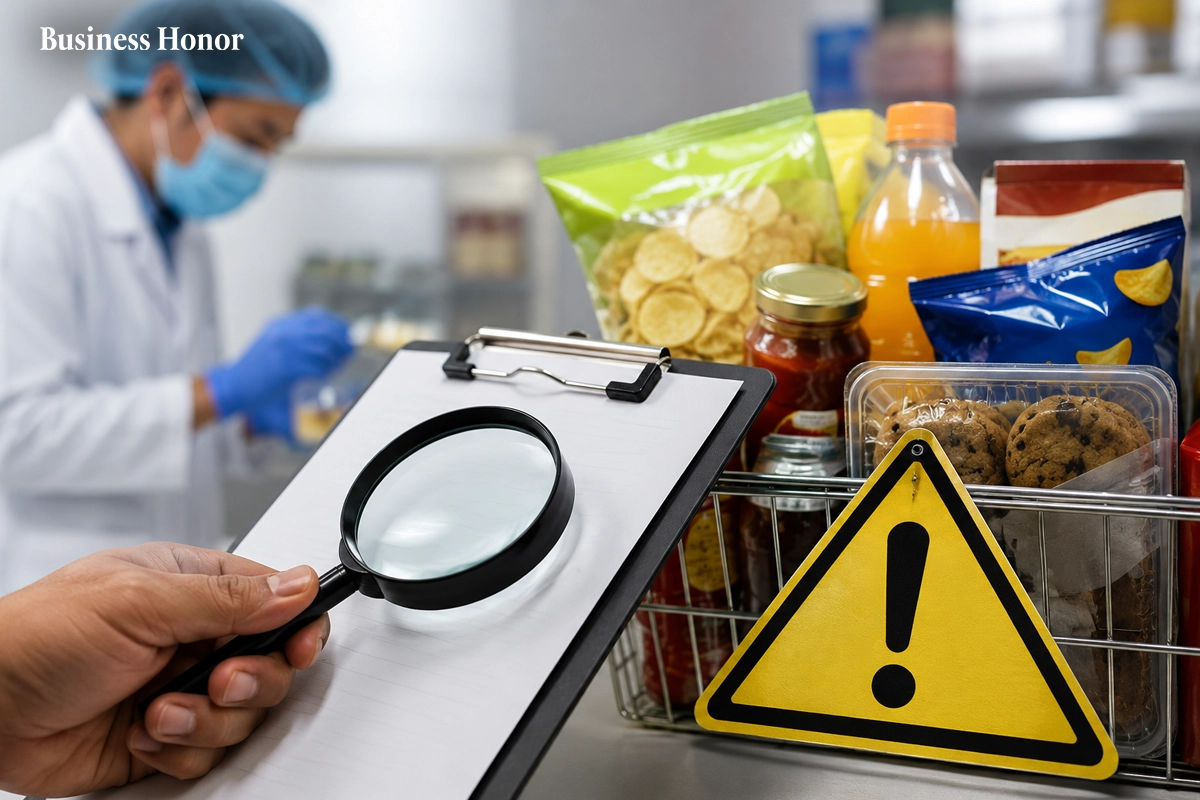
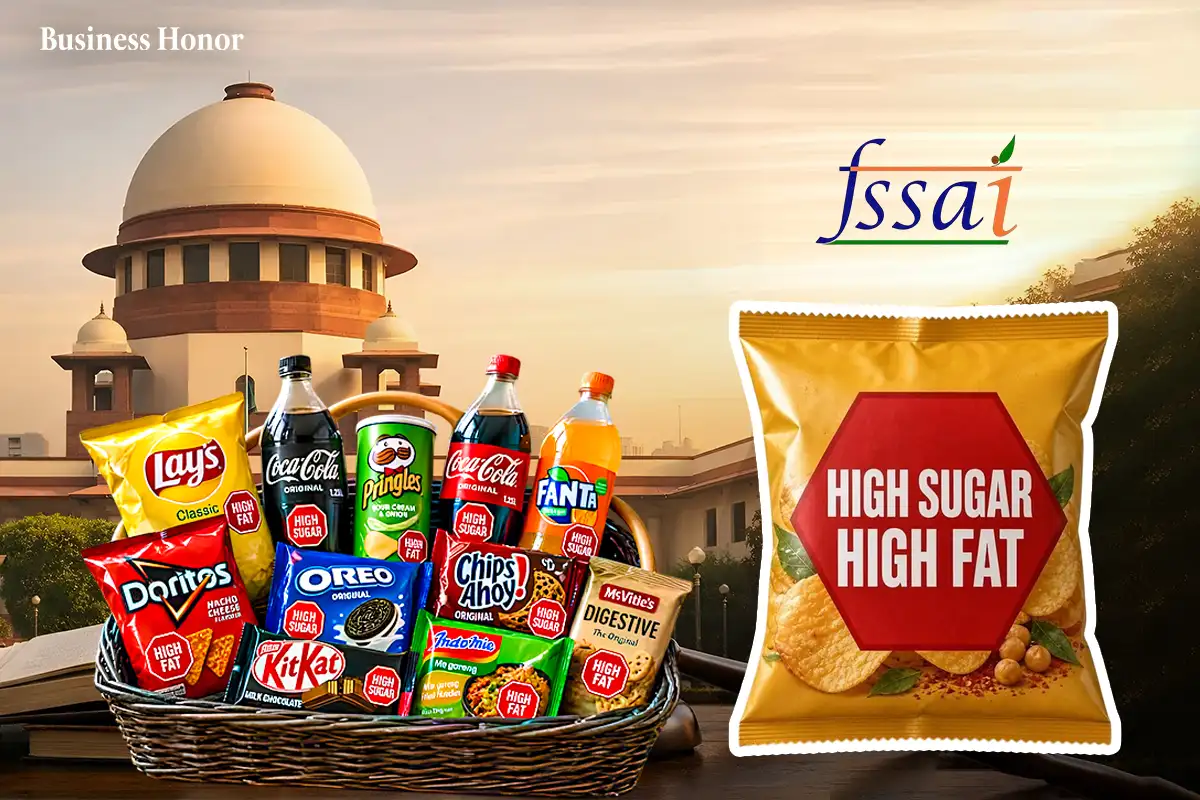
FSSAI Notices have crossed 150, putting major food brands under fire over misleading ads, false claims and labelling violations as scrutiny intensifies.
|
India’s food safety regulator has issued more than 150 FSSAI Notices to food and beverage companies over misleading advertisements, false claims and labelling violations, bringing some of the country’s biggest consumer brands under scrutiny.
The Food Safety and Standards Authority of India (FSSAI) has named Nestle India, PepsiCo, Mondelez India, Coca-Cola India, Danone India, Ferrero India, Diageo and Pernod Ricard among the companies that received notices. Energy drink makers Red Bull, Monster and Hell Energy are also facing regulatory action.
The crackdown goes beyond advertising. FSSAI has seized products over violations of food safety and standards rules and issued 12 notices to quick-commerce platforms, including Flipkart Minutes and Amazon Now. The licence of an Amazon warehouse has also been cancelled, according to FSSAI data.
The regulator is also turning its attention to restaurants and food-service operators. More than 30 notices were issued to establishments including KFC, Pizza Hut, Domino’s, Costa Coffee and McDonald’s.
More than 20 notices were also sent to hotels and restaurants, including international chains such as Marriott, Hilton, Hyatt, Radisson Hotel Group, Four Seasons and Shangri-La. Some cases involve calorie disclosure and menu-labelling requirements.
The latest FSSAI action shows that food safety India is becoming a broader compliance issue. Manufacturers, restaurants, warehouses and quick-commerce platforms are all facing greater scrutiny over what they sell and how they present it.
For major brands, the pressure is particularly sharp. Consumer trust can be damaged quickly when advertising claims and product information come under official investigation.
Business Honor believes the real test is what happens after the notices are issued. Regulatory warnings can expose problems, but stronger compliance will depend on whether companies correct misleading claims, improve food labelling and prevent repeat violations.
The scale of the action sends a clear signal to the food industry: regulatory compliance is no longer just a back-office responsibility. As FSSAI increases scrutiny across the food supply chain, companies may have to rethink how they advertise, label and sell products to Indian consumers.








































.webp)

.webp)



.webp)



Comments
0 Comments