
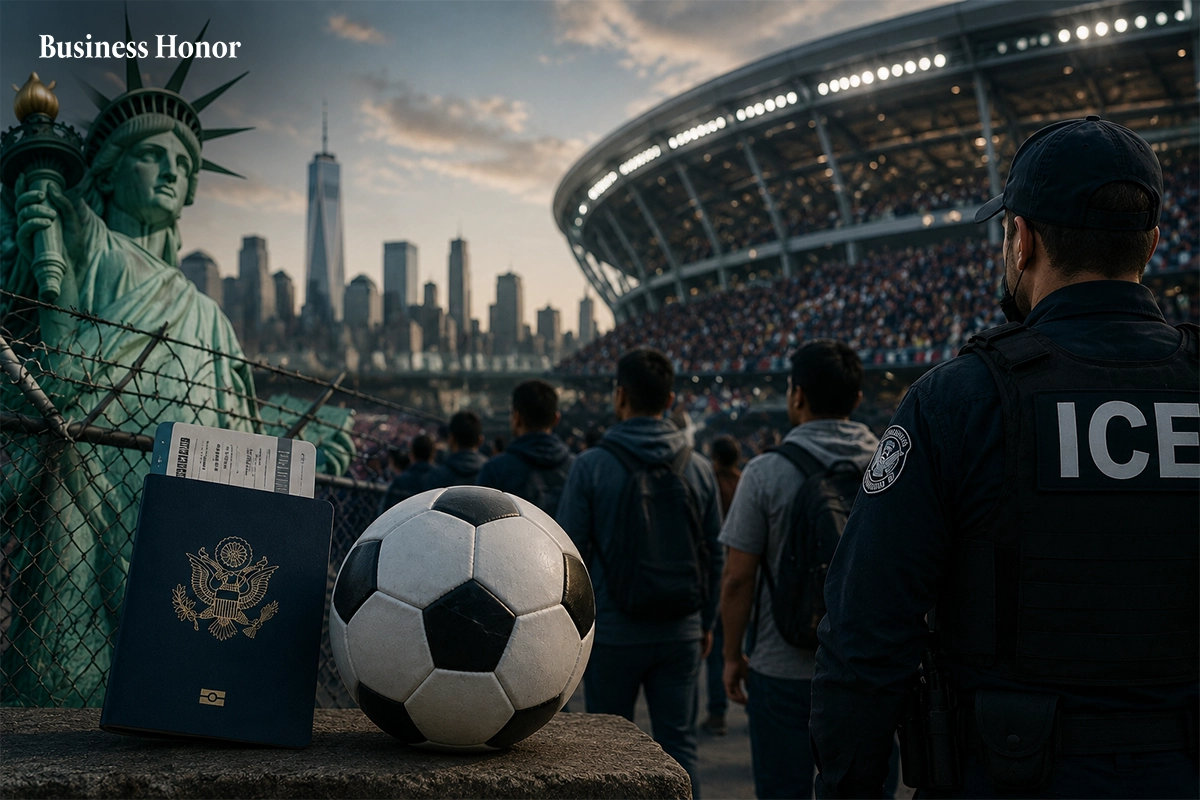
US immigration policies face renewed scrutiny as UN officials warn that visa restrictions and travel barriers could affect participation in the 2026 FIFA World Cup.
Discussion of American immigration policies has become even more heated in anticipation of the 2026 FIFA World Cup, following a UN call urging President Joe Biden's administration to review its current enforcement policies that might prevent some fans, officials, and sportspeople from entering US territory. According to statements by the UN High Commissioner for Human Rights, Volker Türk, there is a need to revisit current immigration policies that may be affected by the upcoming tournament. This request followed revelations about the denial of entry to Somali referee Omar Artan, who is seen as one of Africa's most competent match referees.
Turk stated that he had fears that the ongoing American immigration enforcement policies, which include issues such as racial profiling and stringent visa processes, would greatly affect the biggest FIFA World Cup in the history of this competition, which America, Canada, and Mexico are jointly holding. This topic has drawn even more attention given the current geopolitical situation. It is believed that the Iranian national team has relocated their training base from the region to Mexico in order to ensure its security. Additionally, there have been claims from the Iranian football authorities that visas for some of the support staff were denied, while tickets for the fans were not provided at all, which was seen as discriminatory behavior.
As preparations for the event proceed, many people focus on immigration problems during international events in the United States. Experts emphasize that international competitions may become an important test for a country's ability to combine issues related to national security with welcoming visitors. This situation has also brought up topics such as World Cup travel restrictions and visas for international sports events and the impact of immigration rules on global events, which are increasingly drawing attention from governments, sports organizations, and human rights groups.
Though these worries persist, the tournament organizers continue to work hard toward organizing an event that will last almost six weeks throughout North America. The first game in the tournament will be held at Estadio Azteca in Mexico City, while the last will be held in New Jersey on July 19. The above discussions highlight the importance of immigration enforcement policies affecting not only travel and tourism, and even global perception of sports events. Business Honor notes that concerns over US immigration policies during the World Cup demonstrate how border regulations can affect international participation tourism perceptions and global cooperation.
















.webp)

