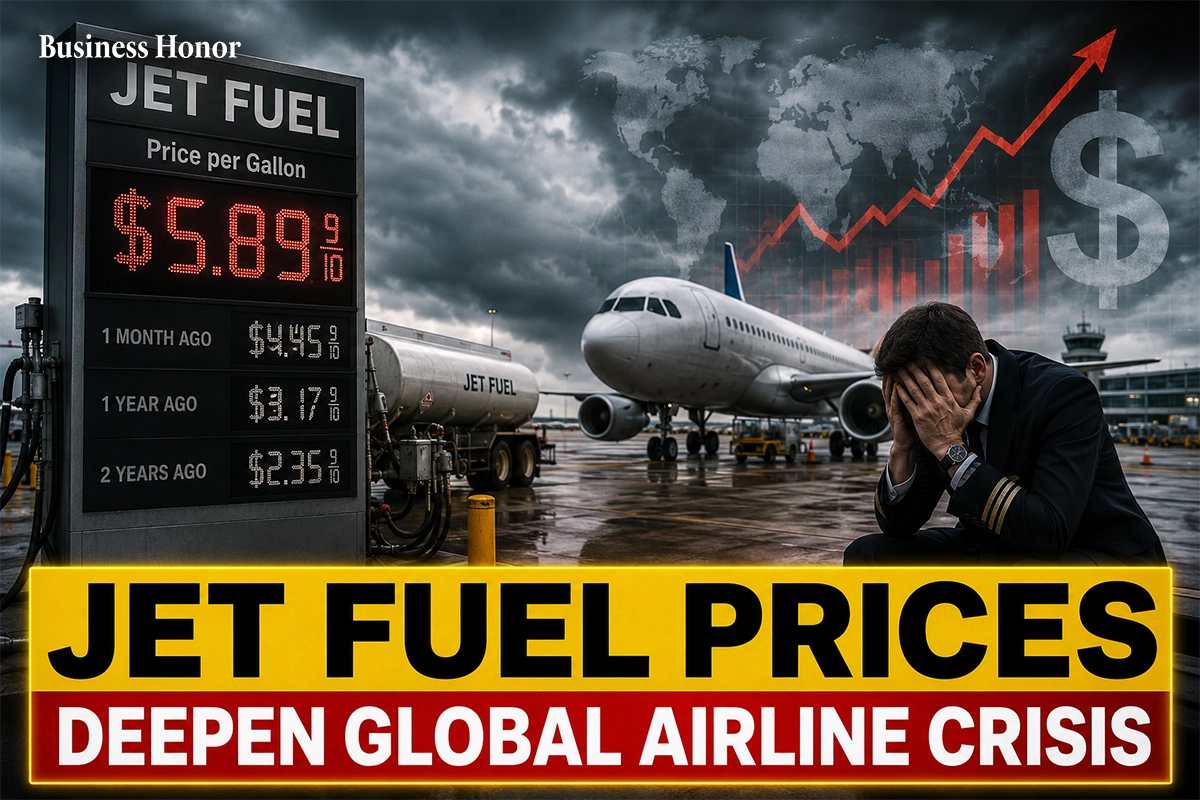
Escalating jet fuel prices and aircraft shortages are forcing airlines worldwide to cut routes, raise fares, and rethink operational strategies.
|
Increasing jet fuel prices continue to impact the global airline industry in the face of continued political tension in the Middle East. According to airline executives who gave speeches at the 82nd International Air Transport Association Annual General Meeting in Rio de Janeiro, the increasing fuel prices continue to have significant implications for the airline industry.
The International Air Transport Association, which represents about 370 airlines across the globe, has reduced its projections for industry profits in 2026 significantly. As such, it is expected that airlines will make about $23 billion in profits compared to the previous projection of $41 billion in net profits. According to industry insiders, the major reason for the reduction in projected profits was because of increased costs in fuel due to regional conflicts that affect international shipping of energy. Jet fuel is among the biggest costs involved in air travel.
Some carriers have been quick to react and take emergency measures, such as reducing the frequency of flights offered by Brazilian Azul Airlines. Meanwhile, Air New Zealand hinted at a potential increase in airfares in an effort to cover rising costs of operations amid ongoing jet fuel price uncertainty, which is expected to put additional strain on carriers recovering from the pandemic.
This situation is exacerbated by the current shortage of aircraft worldwide due to manufacturing issues experienced by Boeing and Airbus. The lack of new aircraft deliveries forces many airlines to extend the use of older, fuel-intensive fleets that also come with higher maintenance costs. The combination of old aircraft and expensive fuel makes it difficult for airlines to stay profitable.
On the other hand, the aviation industry is under pressure to switch to sustainable aviation fuel. Despite the growing concern, sustainable fuel production volumes remain minuscule, and its costs are still prohibitive. According to IATA, SAF production covers just below 1% of current aviation fuel demand. Industry experts warn that fuel-driven cost problems will persist until tensions between countries abate, and sustainable fuel production accelerates. Business Honor believes rising jet fuel prices could become one of the aviation industry’s biggest operational challenges in 2026, particularly as airlines balance profitability, sustainability goals, and passenger affordability in an increasingly uncertain global market.




































.webp)

.webp)




.webp)