

Rising oil prices and Middle East tensions push U.S. stocks lower as investors reassess inflation and interest-rate outlook.
The US stock market decline continued to intensify on Thursday, with the escalation of the Middle East crisis causing an increase in oil prices, which in turn led to fresh concerns over the decision-making of the US Federal Reserve. On Thursday, the major US stock exchanges closed lower, reflecting the concerns of investors over the rising geopolitical risks.
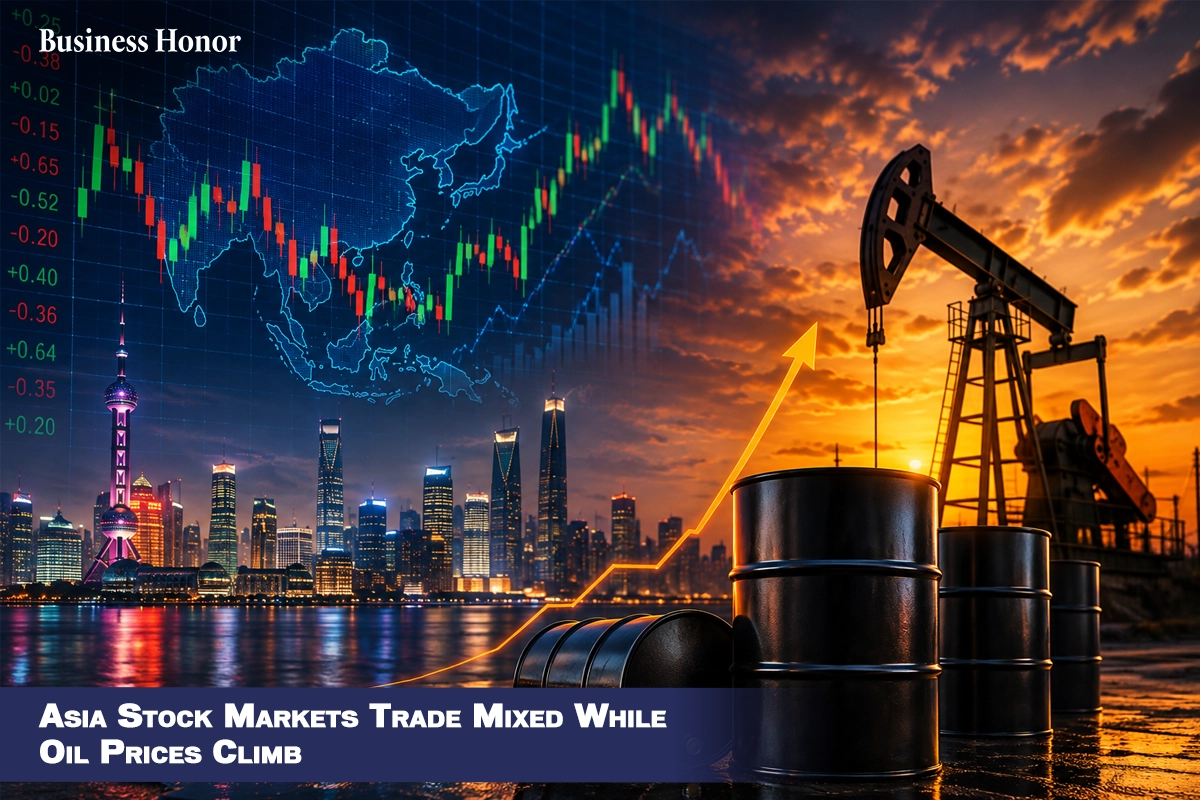
The Dow Jones Industrial Average fell 784.67 points, or 1.61%, to 47,954.74. The S&P 500 lost 0.56% to 6,830.71, while the Nasdaq Composite fell 0.26% to 22,748.99. The decline in the US stock market was due to the surge in crude oil prices, which rose due to the fear that the ongoing war between Israel and Iran could affect the flow of oil through the strategic Strait of Hormuz. US crude oil prices rose 8.5% to $81, while Brent crude oil prices rose almost 5% to $85.41.
The increase in the price of energy is also attributed to the current market conditions by strategists. According to Michael Antonelli, the market strategist at Baird Private Wealth Management, “If you look at the oil market today, it’s the canary in the coal mine. It tells you everything you need to know about why the stock market is down. The market is trying to figure out how long this conflict will last.” In other news, Steve Ricchiuto, the chief economist at Mizuho Securities, added that the strong economic news is also contributing to the lower expectations of cutting interest rates in the near future.
The market witnessed significant declines in the shares of several sectors, including the airline industry and the finance sector. The shares of Southwest Airlines declined by almost 7%, while the shares of JPMorgan Chase and Goldman Sachs also contributed to the decline in the Dow Jones Industrial Average. On the other hand, the shares of Chevron increased as the company is expected to see an increase in its revenue. The upcoming employment figures in the US are being closely monitored by investors, as geopolitical tensions are also expected to influence the Fed’s decisions.











.webp)

.webp)




.webp)

