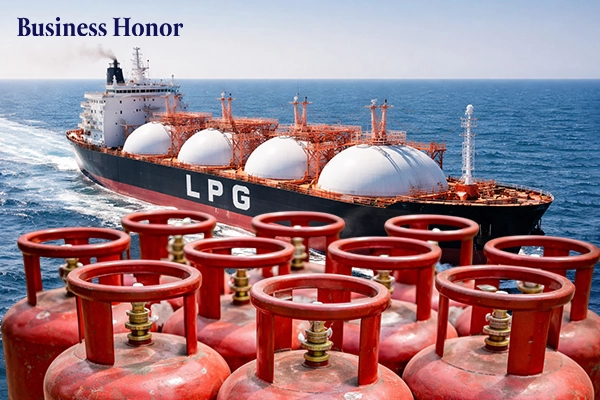
Indian IT companies adjust cafeterias and work policies as global tensions threaten LPG supply, highlighting energy risks affecting workplaces.
The technology industry in India is getting a lesson in how geopolitics can impact daily life in the workplace. As tensions in West Asia affect energy supplies, some IT companies are making changes to their office operations and their cafeterias to prepare for the possibility of an LPG shortage. This has brought up the issue of how even something as minor as cooking gas in the office kitchen can be impacted by the fragile global supply chain, which has brought up the possibility of an LPG shortage in India’s IT campuses.
The issue has been brought up as the Strait of Hormuz was closed due to the rise in tensions involving Iran after the military actions by the US and Israel. This strait is one of the most important in the world, as it carries large amounts of oil, LPG, and liquefied natural gas. This has brought up the issue of the global energy supply chain disruption in India due to the closure of the Strait of Hormuz.
Companies like Cognizant, Infosys, and HCLTech are taking precautionary measures. Cognizant is reported to have advised employees to carry their own meals to reduce the dependency on LPG-based cafeterias. They are also exploring alternatives like cloud kitchens and food vendors with induction or solar-based kitchen systems. This is a reflection of the increasing trend towards electric or solar-based kitchen systems in corporate cafeterias. However, they are also considering a hybrid or work-from-home policy if fuel costs impact employee travel. This reflects the impact of rising fuel costs on corporate policies.
HCLTech introduced a temporary work-from-home option for its employees in the Chennai office because the vendors in the cafeteria could not operate due to the LPG shortage. However, Infosys continued the cafeteria services but with limited options. It also stopped the live cooking counters and encouraged employees to pack home cooked meals as a precautionary measure. These measures demonstrate how companies are coping with global uncertainties.




































.webp)

.webp)




.webp)