
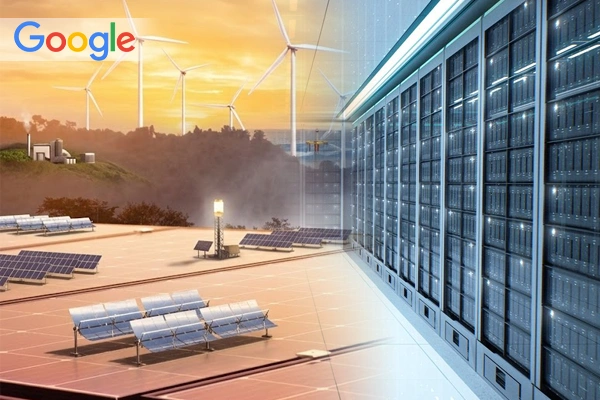
Pine Island facility faces community opposition but aims to boost local renewable energy resources significantly.
Google is building their first data center in Minnesota, located at Pine Island, as part of a deal with utility company Xcel to provide 1,900 megawatts of renewable energy to the state. This announcement represents a large commitment toward development in the area. The proposed data center will help support both Google’s data center operations and the artificial intelligence applications hosted within those data center operations.
The project will be built on an approximately 480-acre lot and is to be built in Pine Island (which has a population of roughly 4,000 people), about 70 miles southeast of Minneapolis. The local community has expressed opposition, but the local city council has publicly endorsed the construction of the facility due to the renewable energy resources it will create for the local area. However, none of these discussions has resulted in Google actually starting construction because there are political and environmental concerns currently being brought to light for all data centers in the United States surrounding their consumption of electricity.
Residents are concerned about the effect of data centers on rising prices of electric power and their negative impacts on the environment. While Google has yet to provide any estimates of the power consumption of the new center, they have stated that they would pay for any required upgrades to the electric grid. The energy agreement still requires approval from the Minnesota Public Utilities Commission.
Amanda Peterson Corio, head of data center energy for Google, indicated, “Google is simply ensuring that when we come into an area, we don’t create additional costs for other ratepayers.” This renewable energy is expected to be operational in 2028 and 2029.













.webp)

.webp)





.webp)

