.webp)

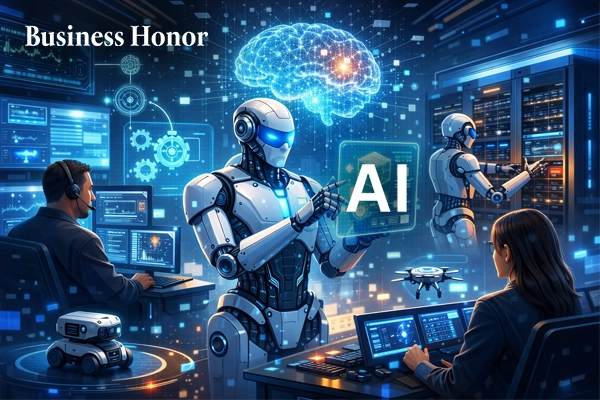
Robotics engineers are very much at the forefront of how automation will look like in the future, considering the rapidly changing nature of these systems as they affect more and more dimensions of our lives and work. They provide the bedrock for the advanced system of automation that brings about efficiency, increased productivity, and safety in domains such as manufacturing, logistics, healthcare, and agriculture. However, the path to this great automation is beset with many formidable obstacles that could greatly hinder its progress.
Robotics engineers are confronted with a couple of problems that are very unique in nature: technical limitations, integration issues, and ethical considerations all require out-of-the-box solutions and responsiveness. For instance, the scale and complexity of engineering automation systems that integrate these diverse technologies, artificial intelligence, machine learning, and sensor technology, raise several important questions. Secondly, the higher level of autonomy for intelligent machines systems has an increased job displacement and data privacy issue that engineers will need to overcome.
Today, to be discussed in this article is one of the critical challenges in intelligent machines and engineering, no matter how complex and multifaceted the work might be. As such, it follows that we appreciate some through challenges, being crucial to advancing automation technologies and the importance of their contribution to society. Whether it's the reliability and safety of robotic systems or ethical issues that arise from automation, the intelligent machines engineer's task becomes crucial in creating innovative solutions while being aware of their wider implications for the workforce and the environment.
Technical Challenges in Robotics
-
Complexity of Automation System Design
One of the major challenges a robotics engineer faces is that the design of the automation system is much too complex. Highly advanced automation requires the tight integration of a wide variety of technologies; "technologies like AI/ML and sensor technologies interact in ways that are complex both in software and hardware." In such complex integration, very often maintenance and troubleshooting are also so problematic that engineers need to understand many disciplines.
-
Limitations of Current Technologies
Despite the speedy developments made, the existing intelligent machines and automation technologies are not flawless. For instance, many robots fail to perform tasks that require fine motor skills and dynamism for dynamic environments. Robotics engineers do face challenges when there is a need for systems capable of working in unstructured environments, which is very common for manufacturing and warehousing applications.
-
Reliability and Safety Issues
Another critical factor in intelligent machines engineering is ensuring that the automated systems are reliable and safe. In designing the robots, the engineers ensure they can work safely with people and other equipment. Thus, strenuous test and validation procedures are conducted to minimize the possibility of accidents to as small an extent as possible. Moreover, conformance to all the required industry standards and government regulations provides another dimension that complicates reliability and hence makes it a challenge whose incidence is recurrent.
Ethical Concerns in Robotics
-
Job Loss
With the growth in applications for automation, job loss to an extent in some sectors is arising as a more frequent matter. Here also, the engineers engaging in the work of intelligent machines must ponder over the sociological impacts of their research and development upon society, especially the impact on employment due to advanced automation. For this reason, appropriate planning and consulting with all stakeholders in such areas as encountered in application are required to ensure that the impacts on people are taken into consideration.
-
Responsibility and Liability Issues
Integration of AI in intelligent machines raises questions on accountability and liability. If a malfunctioning or injuring autonomous robot caused harm, it can be found challenging to identify who is liable. Robotics engineers have to contend with these ethical issues while ensuring their systems are designed with safety as well as accountability in mind.
-
Data Privacy and Security
A typical application of AI and robotics requires the collection and processing of big data. As such, intelligent machines engineers will be called to take interest in issues of data privacy and security particularly in sensitive information applications. Implementing strong cyber security implementations as well as considering data protection policies is most important concerns for automation system development.
Challenges of Robotics Industry
-
High Development Costs
Advanced intelligent machines solutions require considerable investment. With high expenses for innovation, robotics engineers face challenges between innovation costs and budgeted resources. Large development costs often do not entice any new technology in place, particularly among small-scale companies or start-up firms. Engineers must think creatively to bring down the cost while maintaining quality and performance.
-
Rapid Technological Advancement
Not for even a minute, the intelligent machines industry can put its brakes on; it goes on changing at a breakneck speed. Engineers are expected to constantly update their know-how and keep in pace with the new inventions. Such an educational process is imperative to remain effective but poses a significant challenge, as those already grounded in their current roles are no exception to this.
-
Interfacing with Existing Systems
A major challenge is the integration of new robotics systems into existing processes and technologies. Many legacy systems exist, which may not be compatible with advanced automation solutions. Robotics engineers must then take on the challenge of how to bridge the gap so that new technologies can enhance, rather than disrupt, current operations.
Robotics Engineering Future
-
Improved Human-Robot Interactions
Robotics engineers will try to address the immediate hurdles created by automation through focus on human-robot collaboration. In other words, they would be meant to design systems that are capable of working hand in glove with the human operators rather than replacing them. The collaborative robots, or cobots, represent a new area here that provides opportunities for improved efficiency and productivity.
-
Innovations in AI and Machine Learning
The intelligent machines industry is also expected to incorporate AI and machine learning, which will be the momentum that drives more advancement in automation. Robotics engineers continually look for new algorithms that enable their robots to learn in their environment and improve their performance over time. That will introduce greater functionality in robotic systems but also enhance their applicability in all industries.
-
Sustainable Solutions in Robotics
As concerns about environmental sustainability are growing, the intelligent machines engineer is more concerned with the development of sustainable solutions. Robot design will be much more energy efficient and process automation will generate less waste in the future. In short, the practice of robotics engineering should be more relevant to sustainable developments aligned with efforts by societies at larger scales toward environmental responsibility.
Conclusion
Advanced automation situations facing intelligent machines engineers are multidimensional, including technical and design problems as well as ethical concerns and industry dynamics. As the industry of robotics continues to grow, robotic engineers have to grapple with the challenges of creating effective and responsible automation solutions. It would be more beneficial in terms of increasing productivity while ensuring that ethics and sustainability are integrated into it, if the issues associated with system complexity, safety, job displacement, and security of data were addressed and solved.
These challenges cannot be overemphasized since they will help map the way for intelligent machines and automation. Continued innovation and readiness to overcome such hurdles will make the robotics industry ready to take off, thus throwing exciting opportunities in the way of engineers as well as businesses.
Robotics engineers will be the order of the future in automation because focusing on collaboration, sustainability, and innovation of technology will bring a better world in which both humans and robots work side by side.
FAQ’s
1. What are the primary challenges that robotics engineers face in advanced automation?
Robotics engineers face a variety of challenges, including technical limitations, integration issues, and ethical considerations. These challenges require innovative problem-solving and adaptability, particularly as automation systems integrate diverse technologies like artificial intelligence (AI) and machine learning.
2. How does job displacement relate to robotics engineering?
Engineers must consider the sociological impacts of their research and development, especially regarding employment due to advanced automation. Appropriate planning and consultation with stakeholders are essential to address these impacts.
3. What role does data privacy play in robotics engineering?
The use of AI and robotics often involves the collection and processing of vast amounts of data. Robotics engineers must address issues of data privacy and security, particularly in applications involving sensitive information. Implementing strong cyber security measures and adhering to data protection regulations are crucial for automation system development.
4. Why the development costs a challenge in the robotics industry?
Advanced robotics solutions require significant investment. High development costs can limit the adoption of new technologies, especially among smaller companies or startups. Engineers must find creative solutions to reduce costs while maintaining quality and performance.
5. What is the future focus of robotics engineering?
The future of robotics engineering is to focus on collaboration; sustainability, and technological innovation, robotics engineers can create systems that enhance productivity while being responsible stewards of societal needs.
















.webp)

