

The pace of technological development is increasing and robotics has introduced new changes that are revolutionary in the healthcare industry. From advanced surgical instruments to integrated patient care systems, healthcare delivery is about to get an exciting new twist in the form of robotics. Therefore, the use of robotics in the field of healthcare has become one of the most significant trends in recent years because it can contribute to the improvement of the effectiveness of most procedures. Overall, the definition of healthcare robotics may be introduced as the application of different sorts of robots, including surgical ones, robotic prostheses, and patient care ones. Besides, the kind of innovations is not only improving the accuracy of medical operations but also enhancing the levels of efficiency for patients and hospitals at one and the same time.
Robotic Surgery: Precision at Its Finest
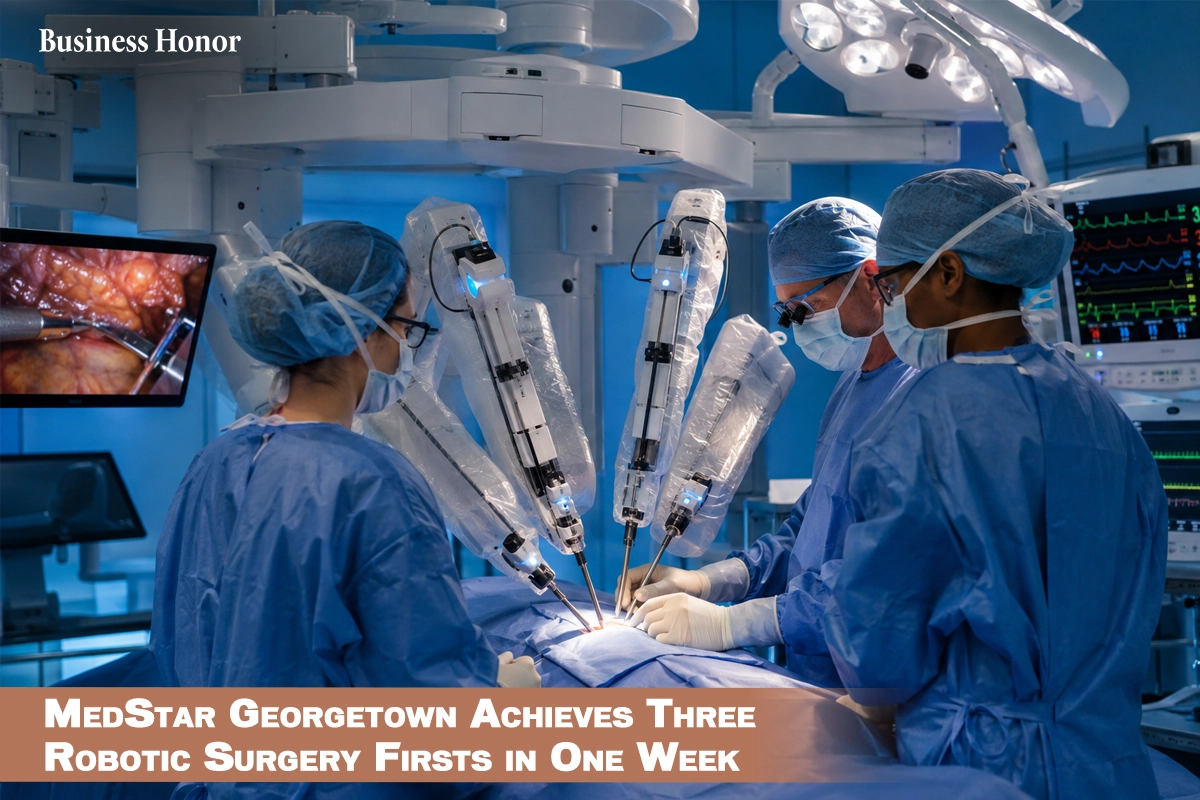
Robotic surgery system and how they are classified is part of the healthcare robotics where the progressing and viable category has been observed. Robotic surgery, also referred to as robot assisted surgery, is a process that utilizes robotic arms to perform precise operations as controlled by the surgeon. It enables the surgeons to operate with less invasive procedures for a short time hence shorter time to heal fully, and also the risk of making a mistake during the surgery is minimized. The aspect of innovative provided by surgical robots enhance the likelihood of conducting operations on sensitive areas that would have been very challenging using older models and techniques.
Some of the widely-known robotic surgery technology is the da Vinci Surgical System. This has been used in urological, gynecological and general surgeries and demonstrates how robotic approach leads to improvement in the productivity and quality of surgeries besides improving the safety of patients.
Healthcare Automation: Streamlining Operations
Use of robots in healthcare is revolutionizing the manner in which health facilities are managed to serve patients and clients. From the automated medication dispensing systems to the use of robots in addressing patients; automation in healthcare is quickly changing the ways hospitals are managed. For instance, different categories of hospital robots are utilized these days to convey drugs, provisions, nourishment, and other things to the patients in order to reduce the load on the healthcare workers and to prevent errors.
Another critical area of automated healthcare delivery is the use of robotics in diagnosing patients. Through computerized diagnosis, tests can be conducted and results analyzed much more accurately and within a shorter time compared to manual diagnosis. This not only improves the care of patients but also alleviates the loads on the medical personnel too.
AI in Healthcare Robotics: Enhancing Decision-Making
There is growing use of Artificial Intelligence (AI) in robotics within the context of healthcare. Automated technology-based medical robots are capable of identifying complex data to help in the diagnosis and treatment and monitoring of patients. For instance, it means that artificial intelligence technologies are being applied to robotic systems to analyze patient outcomes and adapt surgical procedures in accordance with real-time data.
The integration of artificial intelligence in healthcare is updating the functionality of medical robots for complex operations, making them indispensable tools in the system of modern medicine. This integration of AI allows the robotic systems to perform tasks as per experiences and gain mastery to treat patient with fidelity.
Robotic Prosthetics: Restoring Mobility and Function
Robotic prosthetics are another innovation in health care robotics technology making business and decisions that are international. Such advanced devices allow for improved mobility and activities in clients with limb amputation or limb deficiency. Sensors and advances in AI are incorporated into modern robotic prosthetics to enable users Mimic the natural movements required for simple tasks.
The advancement in technology has been felt in the prosthetics industry where robotic prosthetics have been developed to assist the amputees to regain their mobility and perform their activities as they used to. This technology can be regarded as a giant step forward in rehabilitation and for patient care.
Robotics for Rehabilitation: Accelerating Recovery
Another innovative area of practice is the use of robotics that has helped in the rehabilitation of patients with physical injuries or even neurological disorders. Robotic applications for rehabilitation include equipment used in physical therapy and regaining motor skills. These robots offer the repetitive, precise motions that enable individuals to gain muscle strength and coordination far faster than through conventional rehabilitation techniques.
For example, robotic exoskeletons are used as orthotics so that patients with spinal cord injury can walk again. These devices complement and facilitate natural movement during rehabilitation making it more effective as well as interactive.
Telemedicine Robotics: Increasing Access to Care
Another application of robotics in healthcare is telemedicine robotics. In particular, this technology allows a doctor to make a consultation or diagnose a patient with the help of a robotic system that contains cameras, microphones, and other means of communication. Telemedicine robotics is crucial when working with patients in regions that are hard to reach or are under served, as it can offer specialized services without the need for transport.
Thus, through bringing patient and doctors together telemedicine robotics improves the availability of healthcare services and guarantees that quality services will reach those who require it.
The Future of Robotics in Healthcare
Robotics has a huge potential to be integrated into healthcare facilities in the future. Looking to the future, there is likely to be more developed and complex robots within the operating theaters for improvement of patient care and medical processes. One can predict that the combination of robotics with other the growing technologies, including 3D printing and wearable devices, will result in further developments that will bring a qualitative change in the ways of healthcare.
Health-care robotics is poised to develop further as a result of ongoing research and expenditures and is set to become a more critical element in the delivery of new efficient, safe, and effective medical procedures. These innovative technologies are only going to improve and become more available over time, thus indicating a revolution of healthcare.
Embracing the Future of Health Care
Technology in health care is not merely an innovation, but a revolution that is already shaping the future of medicine. From operations to hospital care and telemedicine, the uses of robots have already started to really demonstrate a positive impact to the health of the patient as well as the efficiency of the health care systems. When we are looking forward towards the future, the positive trends say that the progress of robotics in the sphere of healthcare will lead to even more positive changes in the quality of healthcare and the experience of receiving health treatments. Thus, robotics in healthcare is setting the stage, with new advancements, for a brighter, more efficient and patient-focused future.
FAQs
1. How is robotics revolutionizing surgical procedures?
Robotics enhances surgical precision with tools like the da Vinci system, allowing for minimally invasive procedures. This results in smaller incisions, reduced recovery times, and fewer complications, improving patient outcomes.
2. What role does AI play in healthcare robotics?
AI boosts healthcare robotics by providing real-time data analysis, enhancing diagnostic accuracy, and optimizing surgical procedures. It helps robots perform tasks with greater precision and supports personalized patient care.
3. How do patient care robots improve hospital care?
Patient care robots assist with routine tasks such as delivering medication and monitoring vital signs. They reduce the burden on healthcare staff, allowing them to focus on direct patient care, and improve overall hospital efficiency.
4. What are the benefits of robotic prosthetics?
Robotic prosthetics offer enhanced mobility and functionality compared to traditional prosthetics. They provide users with better control, adaptability, and comfort, improving their quality of life and ability to perform daily activities.
5. How is robotics used in telemedicine?
Robotics in telemedicine enables remote consultations and surgeries through robotic systems that allow doctors to interact with patients and perform procedures from a distance. This expands access to care and ensures timely medical intervention.













.webp)






.webp)

