
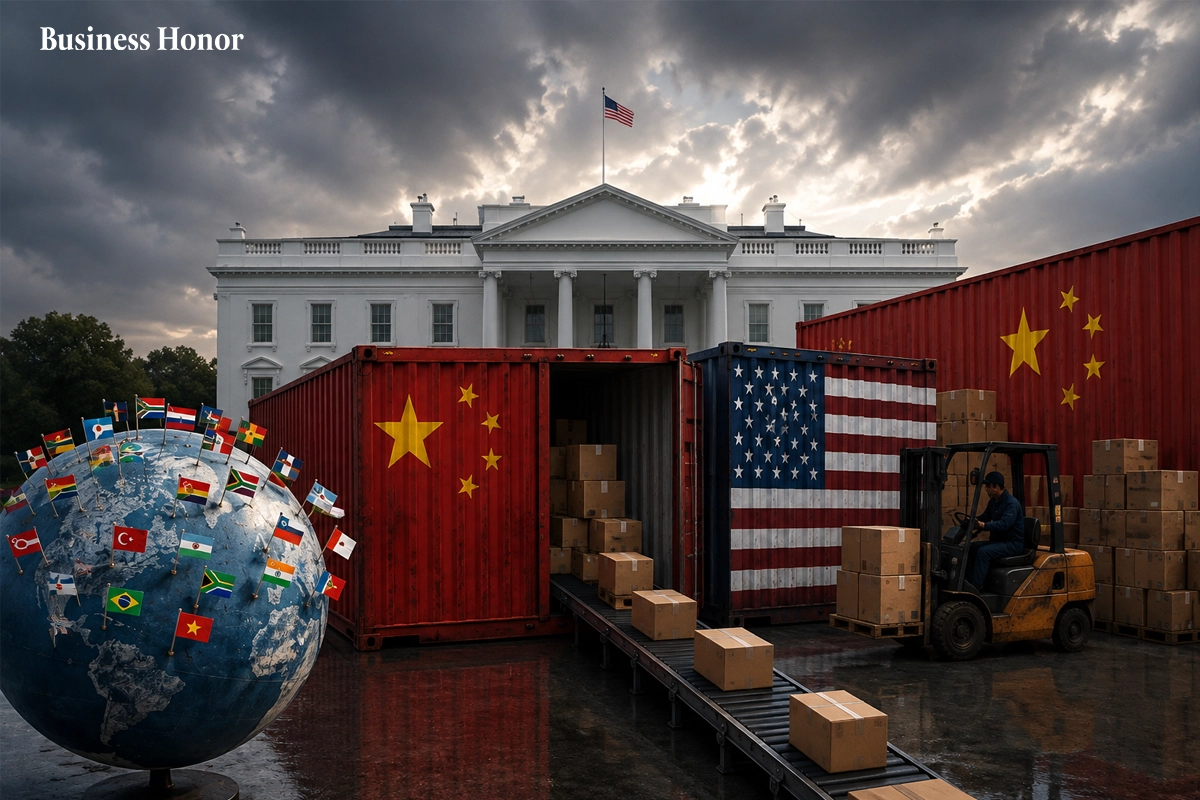
The White House says Chinese goods are being rerouted through third countries to avoid U.S. tariffs, potentially costing Washington billions of dollars in annual revenue.
|
White House has blamed more than 40 nations for assisting Chinese exporters in bypassing U.S. tariffs on shipments worth billions of dollars that are exported to the U.S. through other nations.
"The Great Transshipment Scam" is a recent report that Chinese products are transshipped through nations such as Mexico, Israel, India, and Vietnam to reduce U.S. tariffs. It is estimated by the White House that the United States may lose up to $19 to $26 billion from lost tariff revenues per year due to this practice.
The report indicates that exporters can conceal the origin of their products by packaging, labeling, or assembling the products in a foreign country before shipping them to the United States.
Peter Navarro, trade adviser in the White House, described the process as a worldwide web, whereby the products are able to avoid trade restrictions in the U.S. The report mentions that Canada, Japan, South Korea, and the European Union are among the high-risk areas where goods may be transshipped from China. Yet, it was stated that these countries have significant relations with the United States.
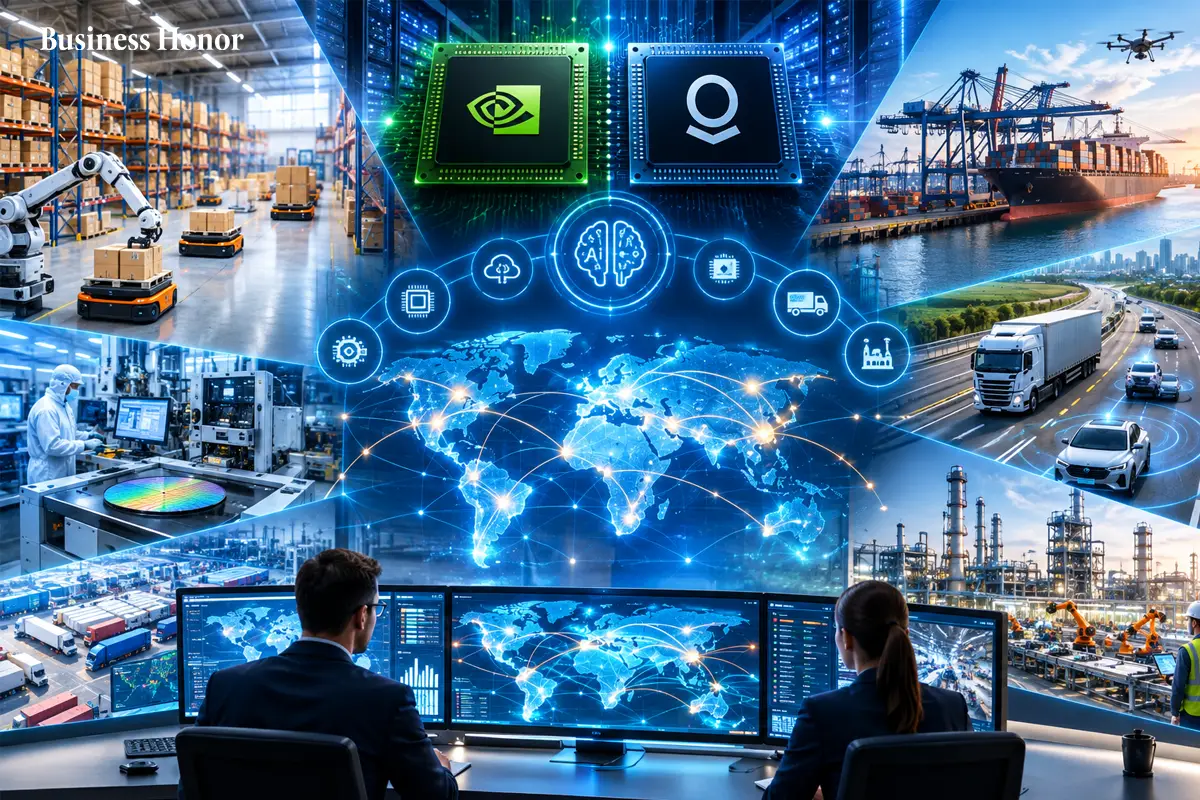
According to the Commerce Department analysis quoted in the report, about $67 billion in goods were transshipped from China to Mexico, India, and Vietnam last year, with a loss of $28 billion in tariffs. Moreover, the White House report on China tariff evasion points out a proposal for an artificial intelligence program that would be named "Detective Border."
It was conceived to assist the U.S. Customs and Border Protection in detecting potential suspicious goods through analyzing the shipping routes, product description, company structure, and other information connected with the trade process.
The technology can assist in differentiating between legitimate international business and tariff evasion. The report was released before a planned visit of Chinese President Xi Jinping to the United States in September, adding another trade issue to the broader U.S.-China economic relationship. Business Honor believes stronger supply-chain transparency and smarter customs enforcement are vital to prevent tariff evasion while protecting legitimate trade.





.webp)









.webp)


.webp)

.webp)



.webp)


Comments
0 Comments