
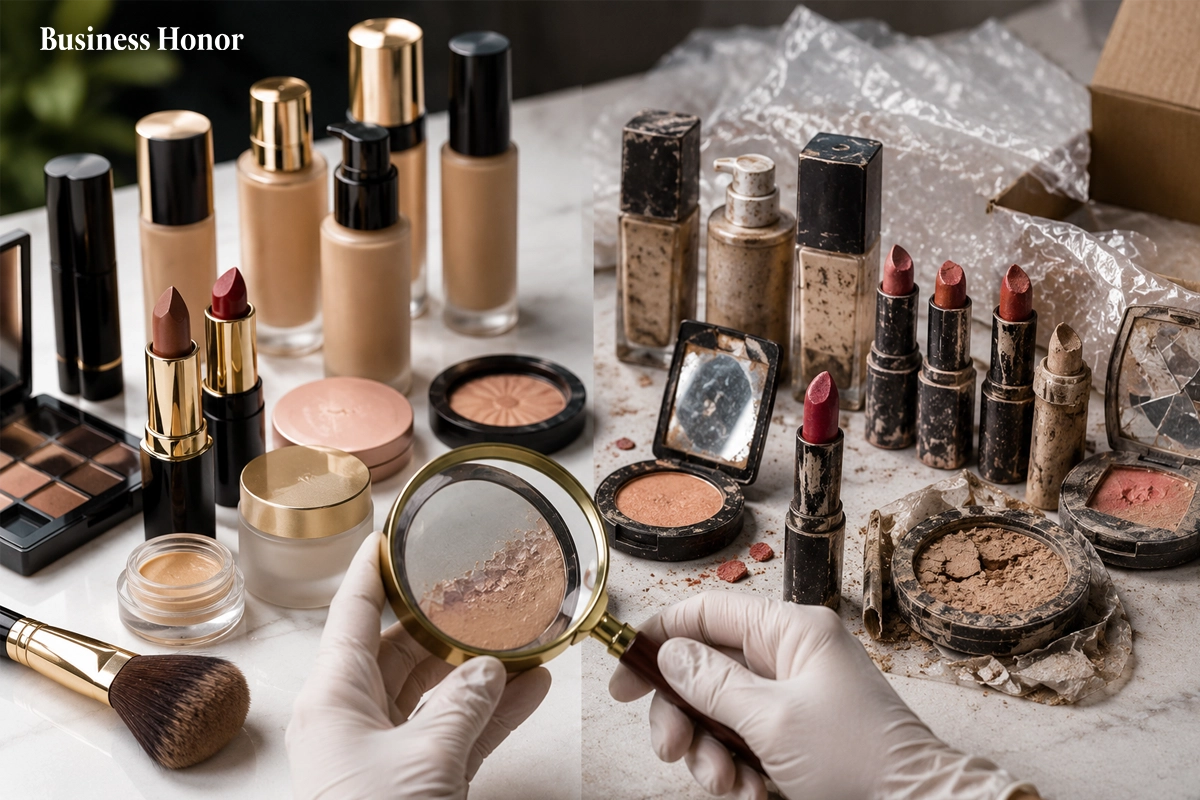
Addressing Counterfeit Cosmetics in India has become an immediate operational priority for brand managers, health authorities, and daily consumers. Fake beauty items are moving through local markets and quick-delivery apps at an alarming rate. Getting your daily cleanser or face cream delivered in minutes is handy. However, this fast access has opened the door for Fake suppliers. These sellers copy exact bottle shapes, print real brand logos, and use fake batch codes to sell cheap liquids to unsuspecting buyers.
Using unverified skincare is not just a waste of money. It puts your health directly in harm's way. Illegal setups ignore basic hygiene and skip basic rules set by the Central Drugs Standard Control Organization (CDSCO). Lab sweeps by local inspectors regularly turn up harsh chemicals, raw dyes, and dirty mixing fluids inside these bottles. Putting these mixtures on your face leads to sudden acne, red burns, or lasting skin damage.
Knowing how to tell genuine vs counterfeit cosmetics apart helps you avoid bad reactions and keeps your daily routine safe.
Inside the Underground Skincare Market
Making Fake cosmetic products has turned into a widespread illegal trade. Small workshops buy cheap chemical bases, mix in heavy scents to copy popular perfumes, and pour them into plastic bottles bought in bulk. Everyday items like face washes, sunscreen, and serums sell out fast. Because of this high demand, fake sellers target them constantly.
This trade hits honest businesses hard. Legitimate companies lose sales while their good name takes a hit when customers unknowingly buy bad stock. Enforcement teams working under the Drugs and Cosmetics Act, 1940 to protect cosmetic safety in India.
Health Hazards Hidden in Uncertified Formulas
Fake factories operate without clean mixing gear or safety checks. The resulting products carry clear risks for your body:
- Heavy Metal Risks: Seized samples frequently show high levels of mercury, lead, or arsenic added to change color or thickness.
- Bacterial Harm: Mixing ingredients in dirty rooms introduces bacteria that break down your skin barrier.
- Sudden Skin Damage: Cheap fake dyes and strong perfumes routinely trigger painful rashes, severe itching, and dark spots.
Uncertified sellers rely on flashy web pages and steep discounts to sell these dangerous batches quickly.
Simple Checks to Identify Fake Products
Spotting a fake item comes down to checking four specific areas on the product before you open it. Learning how to identify fake cosmetics protects both your money and your skin.
-
Inspect Printing and Cardboard
Reputable skincare brands use sharp printing gear. Fake products often come in flimsier boxes with blurry fonts, offset colors, or small typos in the ingredient list.
-
Compare Packaging Identifiers
Original items print matching batch numbers on both the outer box and the main bottle base. If the numbers do not match or look painted over, the item is fake. Many authentic brands now include scannable QR tags or security seals on the cap for quick verification.
-
Check Consistency and Smell
Legitimate products maintain uniform textures and predictable smells. If a lotion feels gritty, separates into layers, or smells like strong factory chemicals, stop using it immediately.
-
Question Unusual Price Cuts
Unusually low prices are often used to clear out knockoff stock. While regular sales happen, a luxury cream sold for a tiny fraction of its normal price points directly to a fake product.
Enforcement Highlight: The Cetaphil Cleanser Case
High-demand skincare items are frequent targets for imitation. Enforcement drives in major retail hubs show how close these products get to everyday shoppers. For instance, state FDA teams recently seized unauthorized stock of the Cetaphil Gentle Skin Cleanser from local retail channels.
Knowing what to look for makes telling real products apart simple:
-
Liquid Appearance: Authentic cleanser is a smooth, clear gel-lotion. Fake versions appear watery, cloudy, or overly thick.
-
Fragrance: The real formula has no added perfume and smells neutral. Fakes often carry heavy artificial scents to mask cheap chemical smells.
-
Label Finish: Genuine bottles use sharp text and centered logos. Fake labels feature uneven alignment or smudged print work.
-
Batch Verification: True bottles feature clear batch stamps on the bottom edge. Fake stamps rub off easily or do not match the outer box.
Basic Habits for Safer Beauty Shopping
You can reduce your risk of buying fake items by making simple changes to your shopping routine:
-
Use Only Authorized Dealers: Get your skincare items from official stores of the brand, certified pharmacy retailers or legitimate online stores.
-
Be Careful While Using Third-Party Sellers: When purchasing from unregulated internet websites, make sure that the retailer is an official distributor of the brand.
-
Conduct Skin Patch Tests Always: Apply little quantity of any new product to your arm skin one day before using it on your face skin.
-
Misbranded Products Should Be Reported Promptly: In case you receive a bottle that seems misbranded, file a complaint to National Consumer Helpline.
Strategic Priorities for the Personal Care Ecosystem
To eliminate counterfeit products in the beauty industry, it is crucial for all players in the business to act in tandem at all levels. Retailers need to ensure that they perform seller verifications at the point of sale, while consumers have to be vigilant and inspect product codes rather than pursuing low prices. Business Honor continues to spotlight those ethical brands, the regulators, and innovations in retail by supply chain experts, there is a clear lesson learned: the future of personal care lies with the brands that take product authenticity as an absolute necessity.
Protecting Your Daily Skincare Routine
Keeping Fake products out of stores requires continuous work from manufacturers and shoppers. Brands must keep using tamper-proof packaging and clear tracking codes. At the same time, checking seller names helps keep bad items out of your shopping cart. Learning how to check bottle labels and verify source stores keeps your money safe and your skin healthy.














.webp)






.webp)


Comments
0 Comments