
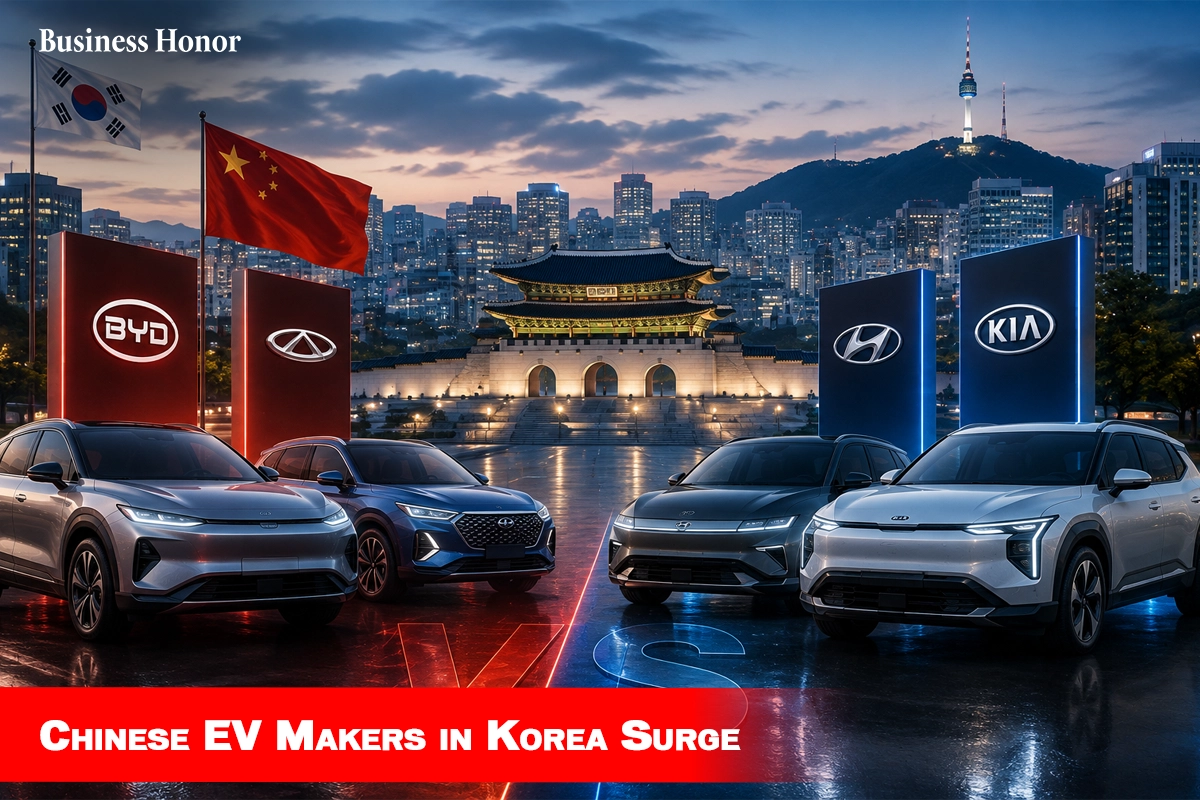
Chinese EV makers in Korea are rapidly expanding through strategic investments and rising sales, intensifying pressure on Hyundai, Kia, and the country's EV industry.
|
Chinese EV makers in Korea are rapidly turning market expansion into long-term influence through strategic investments and technology partnerships. As Chinese brands strengthen their foothold, South Korea's automotive leaders face growing pressure to defend their home market and future competitiveness.
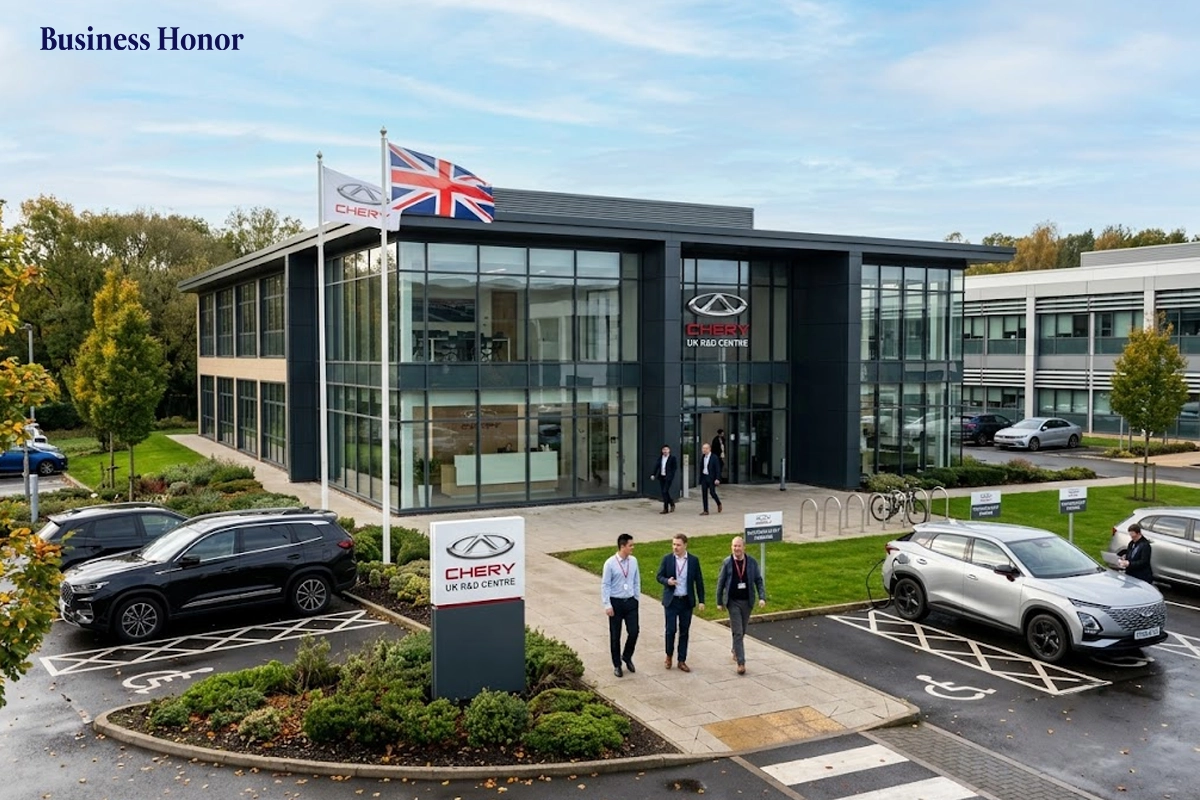
The latest turning point came when KGM signed a $75 million strategic investment deal with China's Chery Automobile. Beyond funding, the partnership will jointly develop next-generation mobility technologies, signaling that Chinese brands are now playing the long game in Korea.
The momentum has been building quickly. BYD Korea, which entered the market in early 2025, has already climbed to become South Korea's fourth-largest imported car brand. Riding that success, Zeekr and Xpeng are preparing to enter the market, suggesting China's EV offensive is only gaining speed.
The numbers explain why the industry is paying close attention. For the first time, China overtook Germany as South Korea's largest source of imported passenger vehicles. Chinese-made cars captured 41.2% of new imported vehicle registrations during the first half of the year, compared with Germany's 30.1%. Much of that growth came from BYD Korea and Tesla vehicles built in Shanghai.
The shift extends far beyond showroom sales. Electrified vehicles now account for 57.8% of all new vehicle registrations in South Korea, showing that consumer demand is accelerating just as Chinese manufacturers strengthen their position. At the same time, China already dominates critical EV batteries and raw materials through companies like CATL, giving it influence across the entire value chain.
That is why the Chery-KGM agreement matters. It marks a transition from exporting affordable EVs to building strategic partnerships inside Korea itself. Industry experts believe Chery could eventually launch its own brand locally if demand continues to grow.
Consumer benefits are undeniable. More competition means lower prices, faster innovation, and wider model choices. Yet Korean manufacturers face growing pressure on production, technology, and supply chains as Chinese carmakers Korea deepen their presence.
Industry leaders are now urging the government to strengthen tax incentives for locally produced EVs, arguing that policy has failed to keep pace with market reality.
South Korea's EV market is entering a defining phase as competition moves beyond vehicle sales to investments and technology. Business Honor asks is Chinese EV makers in Korea gain momentum, can domestic automakers stay ahead, or is the competitive landscape already changing?


























.webp)

.webp)



.webp)



Comments
0 Comments