

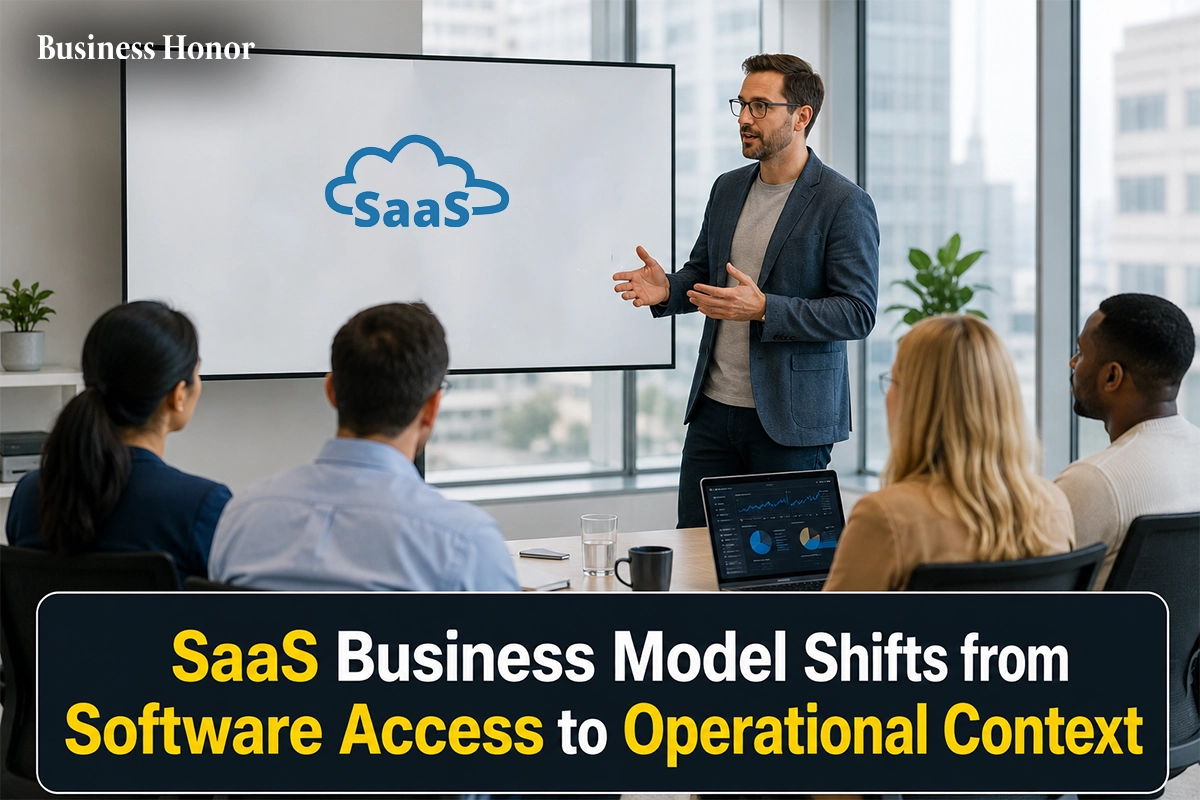
SaaS Industry adapts rather than collapses as artificial intelligence reshapes enterprise software markets, contradicting widespread extinction predictions.
There have been numerous claims that the SaaS industry has gone the way of the dinosaurs – however recent analysis suggests that incumbent vendors are adapting successfully to new technologies rather than heading for extinction as AI continues to shake up the enterprise software market.
The “death of SaaS” story gained steam in August 2024, when Klarna CEO Sebastian Siemiatkowski stated publicly that Klarna had “shut down Salesforce” because he believed that AI would create faster alternatives to traditional enterprise applications. The press garnered significant attention for the story causing a major ripple through the world of finance and led many people to make predictions about the end of the SaaS industry. In February 2025, when clarifying his earlier statements about Klarna, Siemiatkowski said that while he had removed Salesforce from their stack and they had replaced it with other SaaS products – Deel for HR and Neo4j for data management – and continued to purchase Slack.
The correction of this story traveled significantly less than the original story – indicating that the “SaaS is dead” narrative serves only a select group of stakeholders. This has resulted in hyperscale parties justifying their massive capital expenditures, foundations being funded to build AI model foundations, and venture capitalists advertising AI as a disruptive force to traditional business processes.
According to MIT's Project NANDA, about 95% of enterprise AI pilot programs never develop economic returns, with only 5% of those employing generative AI leading to production-ready deployments even after a total investment of $30-$40 billion in the technology. All successful projects were developed by specialized vendors, concentrated on automating back-office processes, and were integrated deeply into their existing workflows.
Software companies saw volatility in their shares through the "SaaSpocalypse" ($285 billion lost in the market by February 2026). The volatility reflects technological transition rather than extinction. According to Bain & Company, as with previous major technology transitions, heterogeneity is created (versus replacement). For example, cloud computing and on-prem software have developed specialized businesses, and while SaaS is in transition to agent orchestration platforms, companies like Salesforce, HubSpot, and Snowflake demonstrate this transition.
Business Honor is of the view that enterprise software incumbents' adaptive strategies represent genuine resilience against artificial intelligence disruption narratives.
About the Author
Rohan Pius is an experienced news writer with extensive expertise across multiple sectors. He combines sharp analytical skills with thorough research to produce clear, insightful reporting on industry trends and their economic impact.











.webp)
.webp)



.webp)

