
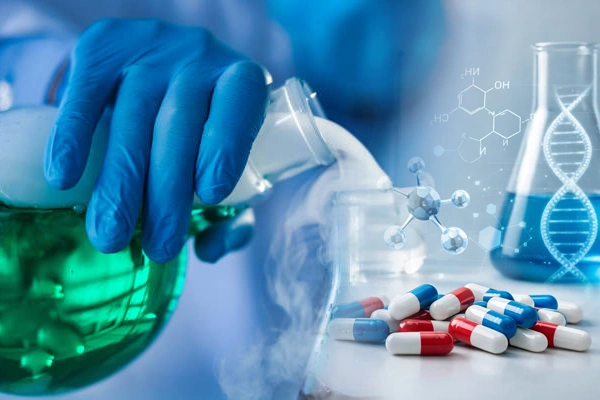
Green chemistry is transforming the way medications are manufactured with a focus on safety, sustainability, and optimized processes. Green chemistry considers environmental aspects right from the beginning, as opposed to conventional methods that consider these aspects later and assists chemists in selecting safer materials and chemical reactions for use when making medications. Green chemistry is energy-conserving, environmentally safer, and less costly compared to conventional methods.
The pharmaceutical industry, being a large producer of chemical waste, coupled with the use of complex steps, benefits immensely through green chemistry, both environmentally and financially. This approach assists companies in complying with the law, in addition to improving the community’s expectations regarding ethical behavior. Green chemistry, the fusion of innovation and environmental protection, makes the creation of safe drugs, hence opening the way for a healthier future.
What Green Chemistry Means for Pharma
Green chemistry is a practice that seeks to develop products and processes that reduce or avoid dangerous materials. In relation to medication production, green chemistry involves far more than disposing of waste at the end of a production line. It gives researchers the capability to make informed decisions about medication development, as well as large-scale manufacturing. A significant impact of the environmental effect can be eliminated by selecting raw materials, chemical agents, catalysts, or conditions from the beginning. Green chemistry is all about anticipating problems, rather than solving them. This approach helps in effective waste reduction, energy conservation, safety, and a better future.
Why Green Chemistry is Important for Pharmaceutical Manufacturing
Environmental Responsibility
Compared to many other businesses, pharmaceuticals create more waste per product owing to the solvents and purifying involved in their manufacturing. Green chemistry supports shrinking this footprint by cutting down on waste, using safer materials, and making cleaner chemical reactions. These changes immediately reduce emissions, water use, and dangerous by-products.
Greater Efficiency
Sustainable processes are often more productive. When reactions yield more with fewer steps, producers save materials, time, and money. In many cases, greener chemistry enhances productivity while supporting environmental objectives.
Regulatory and Market Expectations
The focus of the regulators in the global arena is increasing on chemical safety, emission, and environmental impact. At the same time, there is an increasing demand on pharmaceutical companies to function as responsible entities in the healthcare sector. Green chemistry helps in dealing with the present and impending requirements in the most effective manner.
Human and Social Benefits
Those chemical processes which are safer mean there are fewer risks of ill health to laboratory scientists and industry personnel. Further, relying on more accessible materials reduces dependency on scarce resources, which is associated with unethical employment standards when sourced from certain locations. Such gains mean stronger supply chains.
12 Principles of Green Chemistry
Chemists Paul Anastas and John Warner formulated 12 principles that must be followed in green chemistry. These concepts highlight eliminating waste, atom economy improvement, safer solvent use, increased energy efficiency, dependence on materials that are renewable and safer process design. These concepts are utilized in the pharmaceutical industry as flexible guidance rather than rigid rules. These not only help to maintain sustainability but are also crucial for ensuring quality, safety, efficacy, and regulatory requirements for their products.
How Green Chemistry Is Applied in Pharmaceutical Manufacturing
Safer Solvents and Less Solvent Use
Solvents are one of the largest waste streams in pharmaceutical manufacturing. Green chemistry encourages the substitution of hazardous solvents with safer alternatives such as water or ethanol and the minimization of total volumes of solvent used via better design of processes. Technologies for recycling solvents further minimize environmental impact and lower operating costs.
Catalysis and Biocatalysis
Catalysts ensure smoother reactions with fewer byproducts. Biocatalysis refers to the use of microorganisms or enzymes. It’s becoming increasingly common for the pharmaceutical industry. These reactions are prevalent when the conditions are moderate. They do not consume too much energy. No harmful materials are needed. This makes the process harmless to the environment and cost-effective.
Improving Atom Economy
"Atom economy" refers to how much of the starting materials go into the final product. The greater the atom economy, the less waste is produced, making better use of the resources. A chemist works towards this goal through the development of faster synthesis pathways, cutting the unnecessary steps, and preventing the temporary reactions that lead to the creation of waste.
Continuous Manufacturing
The conventional batch process method in manufacturing is being replaced by more continuous methods in modern manufacturing units. The control on reactions in continuous processing, safety, energy requirements, and wastes generated can be enhanced. The process accompanied by constant surveillance is considered highly beneficial in supporting green chemistry principles.
Smarter Monitoring and Analysis
Process Analytical Technology (PAT) enables a company to track reactions over time, preventing wastage of materials. "Greener" analytical techniques, such as the use of reduced solvent volume, can contribute towards mitigating environmental impact both in development labs and quality control labs.
Digital Tools & AI
Digital technologies are becoming increasingly prominent in the field of green chemistry. Prior to research commencing, machine learning and artificial intelligence can analyze massive datasets to identify the best reaction conditions and green solvents on the planet. The generative AI will assist in designing catalysts, optimizing efficiency in certain reactions, as well as optimizing certain chemical modifications to make certain medications biodegradable while allowing them to be useful. The above techniques will save time, energy, and costs by cutting down on trial-and-error experimentation while allowing for sustainability in innovation design.
Benefits Beyond Manufacturing
Green chemistry has value in more ways than in a factory setting. It can improve supply chains because more sustainable manufacturing reduces reliance on fluctuating markets for raw material and can satisfy overall climate aims for the business and overall net-zero objectives. Green chemistry can further patients by improving pharmaceutical manufacturing ethical standards. Harm to the environment and climate change tend to affect the population. The pharmaceutical industry can play an important role in an equitable and successful global health system. Reducing emissions, waste, and resource consumption will be beneficial.
Challenges and How the Industry Is Moving Forward
Although the advantages are numerous, implementing green chemistry techniques may pose some difficulties. A change in current manufacturing practices may not be easy, and employing innovative methodologies may pose scale-up issues, while expertise may also need to change. Concerns about changing approved processes may also act as an obstacle. The major drawback is that the authorities are now becoming more open to new innovations that are involved in ensuring sustainability while not compromising on safety and quality. The best approach takes place when it happens early, when discoveries involve the use of green chemistry principles.
The Future of Pharmaceutical Manufacturing
Green chemistry has expanded from being a concern to becoming a vital consideration in the pharmaceutical industry. In the future, pharmaceutical manufacturers will most likely use AI to select manufacturing routes and solvents, rely more on renewable resources, recycle solvents and raw materials, and integrate clear sustainability standards into research and development.
Conclusion
Green chemistry is a significant shift in the manufacturing process of medicines. Green chemistry illustrates how environmental responsibility, innovation, and being commercially successful can interact rather than conflict with each other. By applying chemical processes to sustainability principles, the pharmaceutical industry can carry on with its task of healing lives while making its operations environmentally sustainable. Green chemistry practices ensure that any enhancement related to improved health conditions is achieved through ethical means and processes that are positive for patients and the environment around them.











.webp)

.webp)





.webp)

