
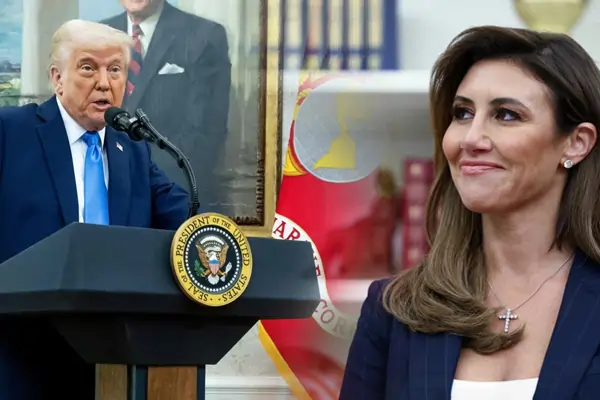
Ruling finds Habba’s acting appointment violated federal law and impacts New Jersey prosecutions.
A US appeals court has ruled that former Donald Trump attorney Alina Habba was unlawfully serving as the top federal prosecutor for New Jersey, a decision expected to have implications for scores of criminal cases throughout the state. The ruling decided that Habba's appointment broke the Federal Vacancies Reform Act, which dictates how acting federal officials may be installed. Habba was chosen earlier this year by the Trump administration to become US Attorney for New Jersey. Once the Senate refused to confirm her appointment, the administration installed her in an acting role, whereby she could run the office without confirmation by Congress. The appellate judges ruled that such a maneuver circumvented necessary confirmation processes.
In the opinion of the court, Judge Michael Fisher wrote that the administration had confronted “legal and political obstacles” to filling its essential positions and that its workaround did not conform to statutory procedures that had long been followed. Three attorneys who opposed Habba's appointment—Abbe David Lowell, Gerry Krovatin, and Norm Eisen—hailed the decision, pointing out it was the first time an appellate court had ever overruled a presidential attempt to appoint a US attorney without proper approval.
Habba, who joined Trump's legal team in 2021, rose to national prominence representing him in his New York hush-money trial. Later, she became an adviser in Trump's second administration and was appointed as his presidential counsellor. The ruling means the Justice Department may need to appoint a new official to oversee federal prosecutions in New Jersey. It also follows a series of similar challenges to Trump-appointed interim prosecutors in Virginia, California, and Nevada, where courts found multiple acting appointments invalid under federal law. The disqualification adds to growing scrutiny of interim federal appointments and underlines the ongoing legal battles over the administration's staffing practices.




















.webp)

