

University of Liverpool develops autonomous robots using AI to streamline exploratory chemical synthesis in research labs.
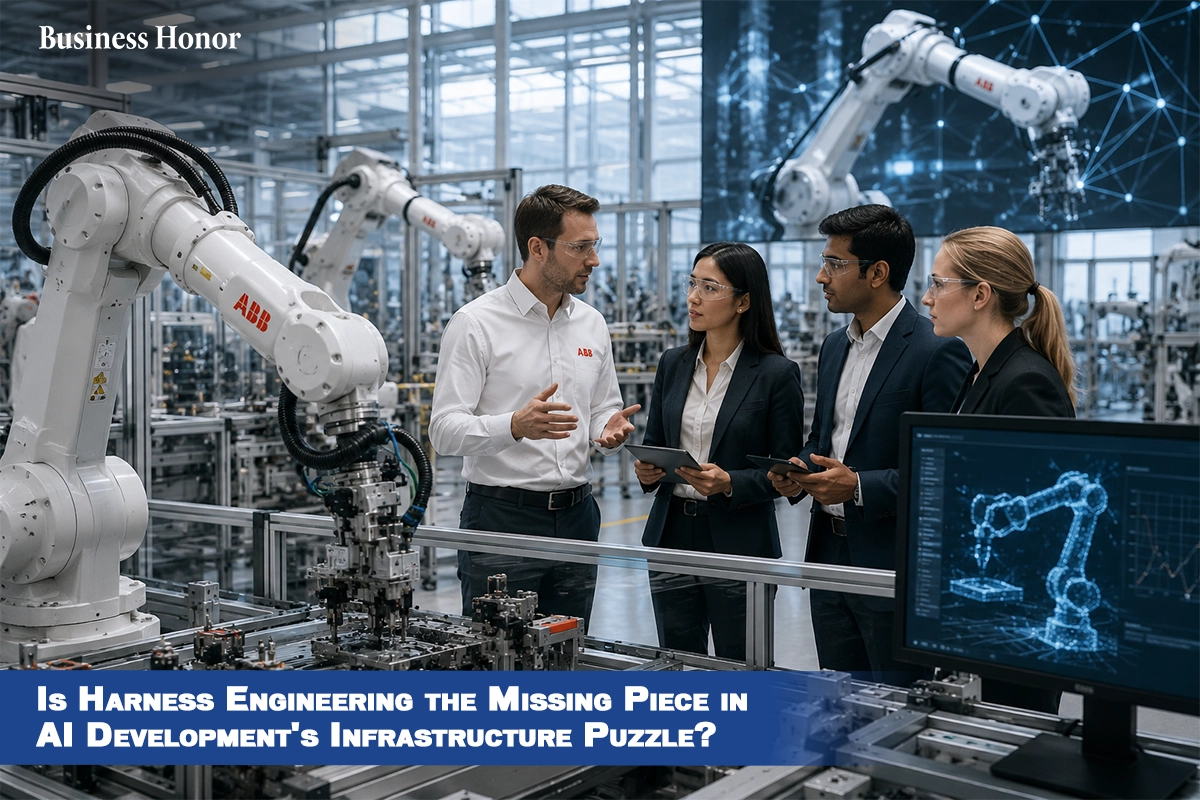
Researchers at the University of Liverpool have revealed one promising innovation in speeding chemical synthesis research: AI-mobile robots. They use these robots for autonomous performance of complex tasks such as conducting reactions; result analysis; and generating decisions based on data to inform a decision, each traditionally carried out by human chemists. The robots complete related tasks far faster and are significantly more efficient than traditional systems in performing the same function.
Published in Nature, this study shows how the robots can replicate human decision-making in exploratory chemistry but at a much faster pace. This technology overcomes some of the considerable challenges presented in the chemical synthesis of compounds pertinent to drug discovery and the making of new materials. The robots can independently select what to do next in an experiment by utilizing vast sets of data, thereby removing a time-consuming and labor-intensive analysis of data done by humans.
According to the project leader, Professor Andrew Cooper, the novelty is not that the robots have traditionally done the odd task of mixing solutions but that they are much better than human beings at inferring subtle decisions in complex datasets. Hours it may take a human chemist to do that, the robots do it in a snap. Such acceleration may spell great savings on costs and accelerate the tempo of discovery in chemistry-related fields.
The robots were tested in three areas of chemical synthesis: structural diversification chemistry, supramolecular chemistry, and photochemical synthesis. The results suggest that, while AI systems are not yet capable of "Eureka!" moments, they can efficiently guide research decisions and scale up the process in industrial settings.
With potential applications in drug development and carbon capture, this AI-driven robotic technology holds promise for transforming the future of chemistry.




















.webp)

